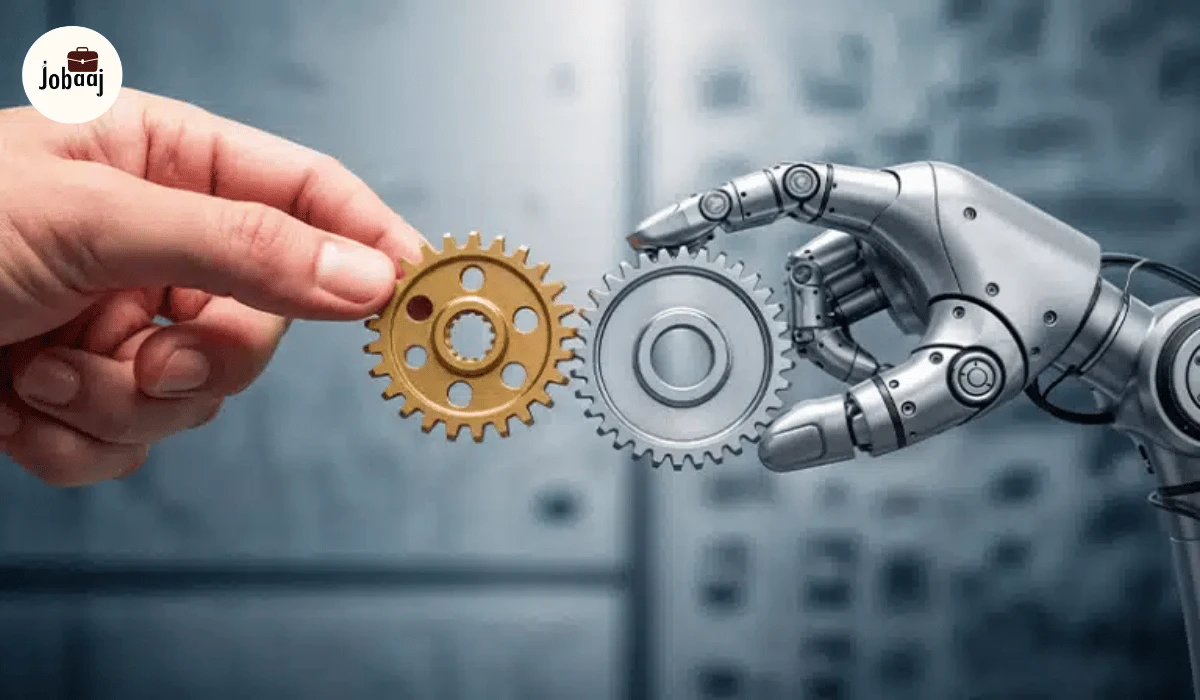
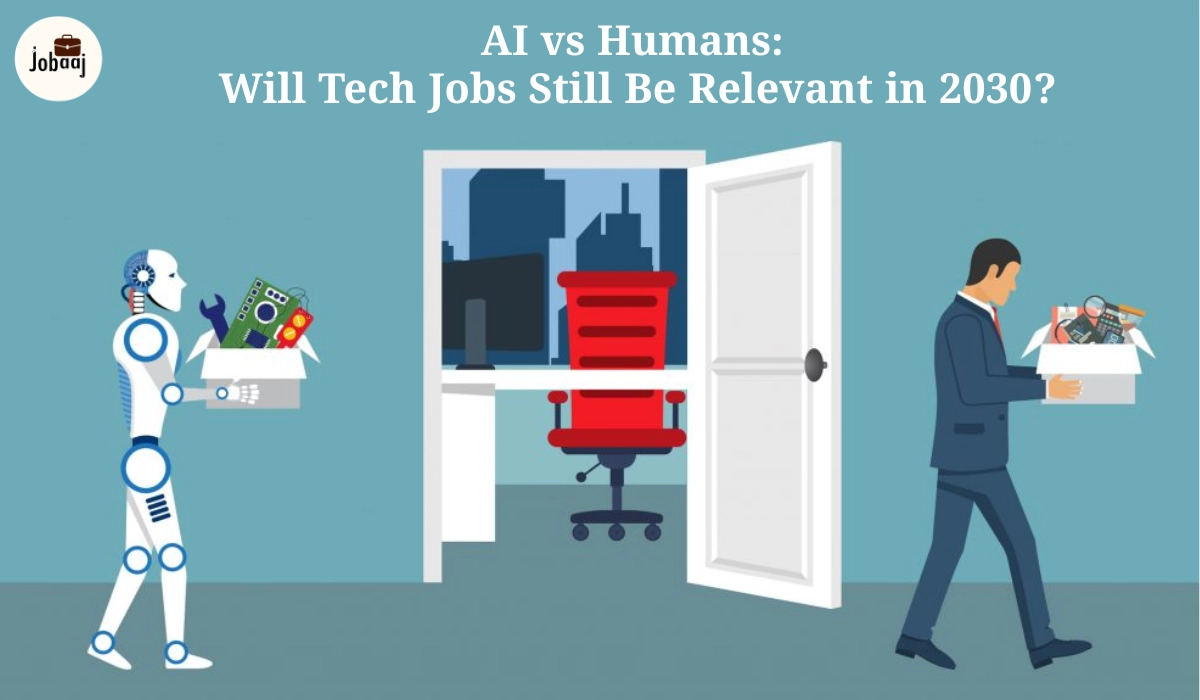
Imagine it’s 2030. You’re enjoying your morning coffee, scrolling through job listings, but something feels different.
A lot of the roles are now taken by AI. So, where does that leave you in this tech-driven future?
It’s a thought that crosses the mind of many in the tech world. Let’s dive into this intriguing question together.
The Rise of the Machines (and the Opportunities They Create)
Artificial intelligence is changing everything. From self-driving cars to AI-generated art, its influence is undeniable.
Naturally, this raises concerns about job displacement. Will robots take over all the coding, designing, and engineering?
Not quite. While some routine tasks will be automated, new opportunities will emerge.
Think about the early days of the internet. People worried about job losses, but the internet created millions of new roles.
The same thing will happen with AI. We'll need people to build, train, and manage these intelligent systems.
We’ll need ethicists to guide AI development and ensure responsible use. This is a crucial aspect we can’t overlook.
The Human Touch: Skills that AI Can't Replicate
While AI excels at crunching numbers and processing data, it lacks the human touch.
Think about creativity, critical thinking, and complex problem-solving. These are distinctly human skills.
Emotional intelligence, empathy, and the ability to build relationships are also vital. AI struggles in these areas.
Jobs that require these soft skills will be in high demand in 2030 and beyond.
For example, user experience (UX) designers will be essential to ensure technology serves human needs effectively.
AI can analyze data, but it can't understand the nuances of human emotion and behavior like a UX designer can.
Navigating the Future of Tech: Adaptability is Key
The tech landscape is constantly evolving. To stay relevant, we need to be adaptable.
Lifelong learning is no longer a luxury; it's a necessity.
Embrace new technologies and be willing to upskill or reskill. This will future-proof your career.
Focusing on niche skills within your field can give you an edge. Specialization will be increasingly valuable.
If you're a software engineer, for example, consider specializing in AI development or cybersecurity.
These areas are experiencing rapid growth and are likely to remain in high demand.
Conclusion
The future of tech is both exciting and uncertain. AI will undoubtedly transform the job market, but it won't make human skills obsolete.
By embracing lifelong learning, developing essential soft skills, and adapting to the changing landscape, we can thrive in the tech-driven world of 2030 and beyond.
Looking for Tech Courses Online? Click here to explore more and level up your skills!
FAQs
No, while some roles will be automated, many new jobs focused on AI development, management, and ethical considerations will emerge. Human skills remain vital.
Expect growth in AI development, AI ethics, AI project management, data science, AI training, and human-AI collaboration roles.
Critical thinking, problem-solving, creativity, adaptability, emotional intelligence, and strong communication skills will be highly valued.
Upskill in AI-related fields, focus on developing strong human skills, and embrace continuous learning to adapt to evolving job market demands.
AI is causing significant change, automating some tasks while creating entirely new opportunities. The overall impact is complex and dynamic, requiring adaptation and upskilling.