
Just Graduated and Feeling a Bit Lost in the Job Jungle?
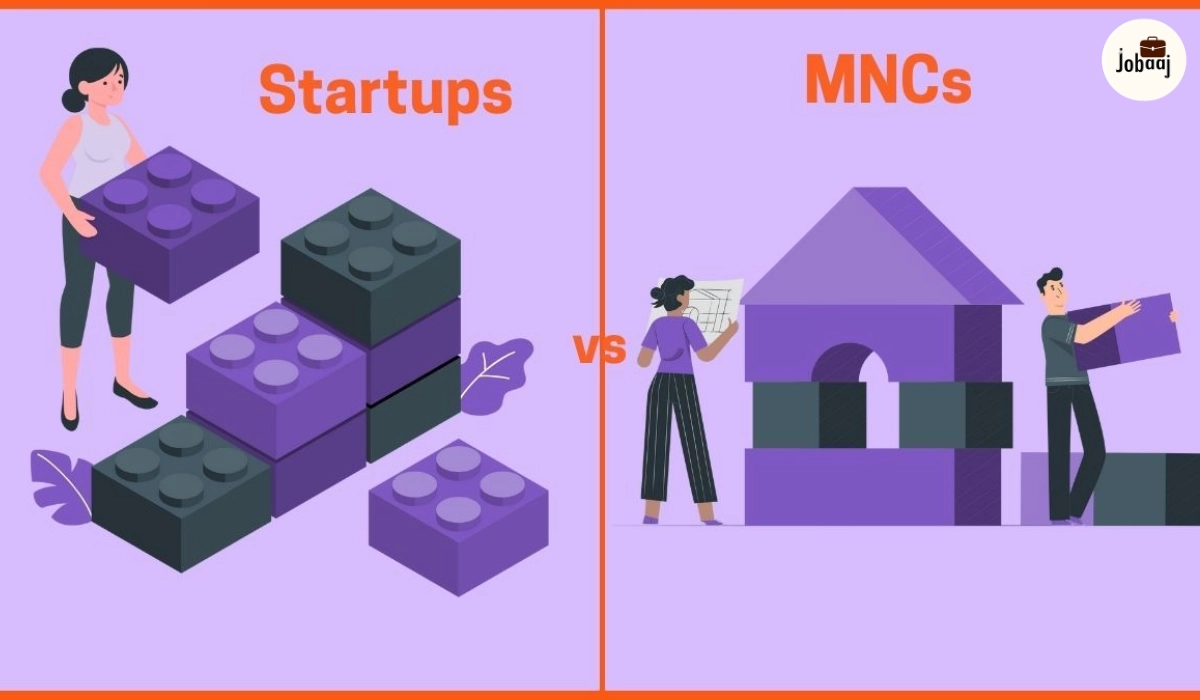
Choosing between a startup and a multinational company (MNC) can feel like a tough decision. It’s kind of like choosing between a rollercoaster ride and a scenic train journey. Both have their thrills, but in totally different ways.
This article will break down the pros and cons of each, giving you a clear path to making the right choice.
No more overthinking—just simple advice to help you kickstart your dream career!
Diving into the Startup World
Startups are like speedboats. Fast-paced, dynamic, and thrilling. They offer a chance to wear many hats and learn quickly.
Imagine working directly with the founders, shaping the company's future. Your ideas are valued, your contributions are visible, and your growth potential is huge.
However, startups come with risks. Job security might be lower, resources can be limited, and the work-life balance can be demanding.
Think of companies like Google or Facebook in their early days. A small team, a big idea, and a whole lot of hustle.
That’s the startup life. It's not for everyone, but if you're ambitious and adaptable, it can be incredibly rewarding.
But don't expect fancy perks or structured training programs. It's more about learning on the job and making things happen.
The MNC Experience
MNCs are like cruise ships. Stable, comfortable, and with a clear path charted out.
They offer structured training programs, established processes, and a strong sense of job security.
Think of Microsoft or Amazon. Global giants with a massive employee base and extensive resources.
You’ll have access to world-class mentorship and development opportunities.
The work environment is generally more formal and hierarchical.
Climbing the corporate ladder can take time, and your individual impact might feel smaller in a large organization.
MNCs are great for building a solid foundation and gaining experience in a specific field.
They offer a predictable career path, which can be appealing to those seeking stability and structure.
Making the Right Choice
So, which is right for you? It depends on your personality, career goals, and risk tolerance.
If you thrive in fast-paced environments and want to make a big impact quickly, a startup might be your ideal launchpad.
If you value stability, structure, and a well-defined career path, an MNC could be a better fit.
Consider your long-term goals. Where do you see yourself in five or ten years?
Think about your work style. Do you prefer a structured environment or a more flexible one?
Ultimately, the best choice is the one that aligns with your individual aspirations and preferences.
Here’s a quick comparison table to help you visualize the key differences:
| Feature | Startup | MNC |
| Growth Potential | High | Moderate |
| Job Security | Lower | Higher |
| Learning Curve | Steep | Gradual |
| Work Environment | Dynamic | Structured |
Choosing your first job is a big decision. Take your time, do your research, and trust your gut.
Whether you choose a startup or an MNC, remember that your career is a journey, not a destination. Be open to learning, adapting, and growing along the way.
FAQs
Startups offer faster career progression, diverse responsibilities, and hands-on experience. You'll learn quickly and contribute significantly, building a strong skillset early in your career.
Startups may lack structure and stability. Long hours and a less defined career path are possible. Benefits packages might be less comprehensive than at an MNC.
MNCs offer structured training, better benefits, and clear career paths. They provide stability and opportunities for specialized skill development. Networking opportunities are typically extensive.
Career progression can be slower in MNCs. You might have less responsibility early on, potentially limiting fast skill development. Bureaucracy can sometimes slow down decision-making.
Consider your risk tolerance, desired pace of career growth, and preference for structure vs. flexibility. Research specific companies and align your values with the company culture. Network with professionals in both environments.