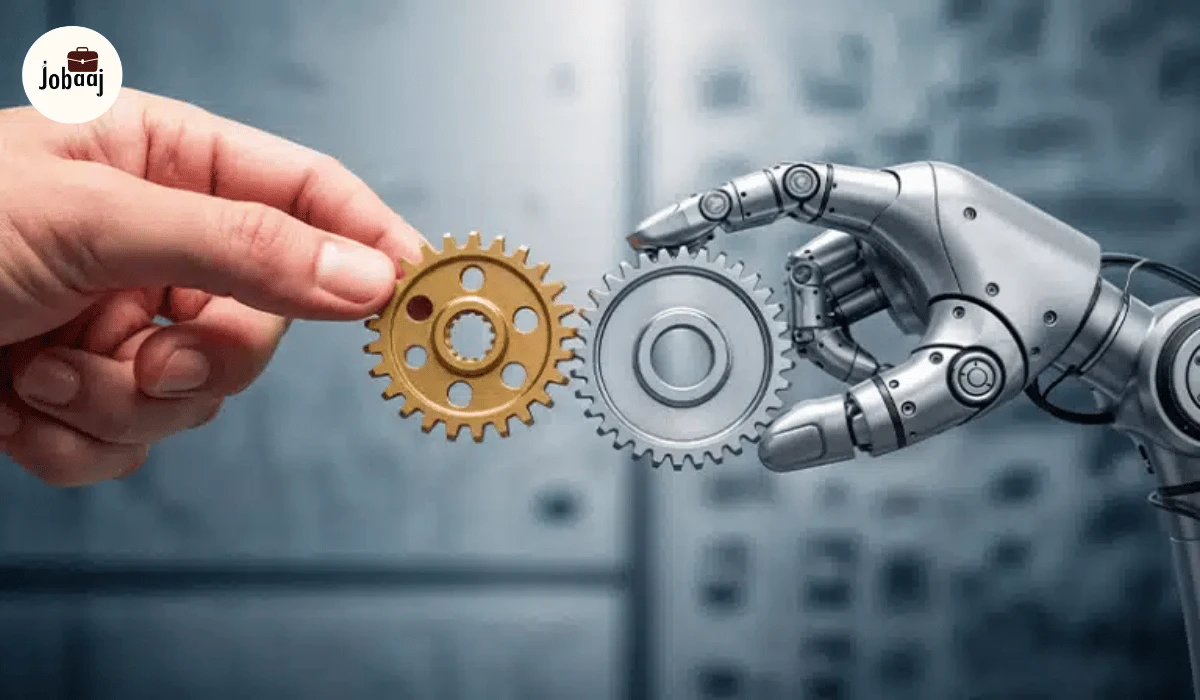

The world of work has changed dramatically in the last decade.
A job title that sounds completely normal today may have been unfamiliar or non-existent ten years ago.
Roles like AI Product Manager, Prompt Engineer, Social Media Manager and Cloud Architect have become part of modern career conversations because technology has created entirely new industries and responsibilities.
Earlier, career choices were mainly limited to traditional fields such as engineering, medicine, finance, teaching and management.
Today, professionals can build careers around artificial intelligence, online communities, digital products, virtual experiences and emerging technologies.
The biggest lesson from these changes is simple:
New technologies create new problems, and new problems create new careers.
Why Are New Careers Emerging So Quickly?
The rise of new careers is driven by major changes in how people live, work and interact with technology.
Some major reasons include:
- Artificial intelligence becoming mainstream
- Growth of smartphones and digital platforms
- Expansion of remote work
- Rise of online businesses
- Increasing importance of data
- Changing consumer behaviour
Companies now need specialists who can manage areas that did not exist earlier.
For example, when businesses started creating mobile apps, they needed app designers and mobile developers.
When social media became a major marketing channel, companies created social media management roles.
When AI became powerful, new AI-focused careers started appearing.
1. AI Product Manager
Ten years ago, product management mainly focused on traditional software and digital products.
Today, companies are building products powered by artificial intelligence.
AI Product Managers are responsible for deciding how AI should be used to improve user experiences.
They work between:
- Business teams
- AI engineers
- Designers
- Customers
Their responsibilities include understanding user problems, defining AI features, analysing product performance and ensuring AI solutions create real value.
Important skills:
- Product strategy
- User research
- AI understanding
- Data analysis
- Communication
As more companies launch AI-powered products, this role is becoming increasingly important.
2. Prompt Engineer
Prompt Engineer is one of the newest career roles created by generative AI.
When large language models became popular, companies needed professionals who could communicate effectively with AI systems.
Prompt Engineers design instructions that help AI produce accurate and useful results.
They work on improving:
- AI responses
- Workflow automation
- AI content generation
- AI applications
However, the future of this role is evolving. Prompt engineering is becoming less about writing simple prompts and more about designing complete AI workflows.
Useful skills:
- AI tools
- Problem-solving
- Writing ability
- Domain knowledge
3. Data Scientist
Although data science existed in some form before, it became a mainstream career only in recent years.
The explosion of digital data created demand for professionals who could convert information into business decisions.
Data Scientists use:
- Statistics
- Programming
- Machine learning
- Data analysis
to solve business problems.
They help companies:
- Predict customer behaviour
- Improve products
- Detect fraud
- Automate decisions
The growth of AI has made data science even more valuable.
4. Social Media Manager
A decade ago, social media was mainly considered a communication platform.
Today, it is a major business channel.
Companies now hire professionals to manage their online presence, build communities and create content strategies.
Social Media Managers handle:
- Content planning
- Audience engagement
- Brand communication
- Campaign analysis
This role grew because platforms like Instagram, YouTube and LinkedIn became important parts of business growth.
5. Influencer Marketing Manager
The creator economy has completely changed marketing.
Brands no longer depend only on traditional advertisements. They collaborate with online creators who have loyal audiences.
Influencer Marketing Managers connect brands with creators and manage partnerships.
Their work includes:
- Finding suitable creators
- Planning campaigns
- Measuring performance
- Managing collaborations
This career exists because online communities have become powerful marketing channels.
6. Cloud Architect
Cloud computing transformed how companies build and operate technology systems.
A decade ago, many businesses depended heavily on physical servers.
Today, companies use cloud platforms like:
- AWS
- Microsoft Azure
- Google Cloud
Cloud Architects design and manage these digital infrastructures.
They focus on:
- Cloud strategy
- System design
- Security
- Scalability
- Cost optimisation
As businesses continue moving online, cloud careers continue to grow.
7. UX Researcher
Digital products became more competitive, and companies realised that understanding users was essential.
This created stronger demand for UX Researchers.
UX Researchers study:
- User behaviour
- Customer problems
- Product experiences
- User expectations
They help companies create products that are easier and more enjoyable to use.
This role grew because businesses started focusing more on customer experience.
8. Cybersecurity Analyst
Cybersecurity existed before, but the demand for dedicated cybersecurity professionals has grown massively with digital transformation.
As businesses store more information online, protecting data has become critical.
Cybersecurity Analysts help organisations:
- Detect threats
- Protect systems
- Monitor security risks
- Respond to attacks
The increase in cyber threats has made cybersecurity one of the fastest-growing technology careers.
9. Sustainability Consultant
Climate change and environmental concerns have created new career opportunities around sustainability.
Companies are now focusing on reducing environmental impact and meeting sustainability goals.
Sustainability Consultants help organisations with:
- Environmental strategies
- Carbon reduction plans
- Sustainable operations
- Regulatory requirements
This career has grown because sustainability has become a business priority.
10. Remote Work Specialist
Remote work became a major workplace model after global changes in working patterns.
Companies now need professionals who can improve remote collaboration and productivity.
Remote Work Specialists help organisations build better systems for:
- Remote communication
- Digital collaboration
- Employee productivity
- Remote policies
This role represents how workplace structures themselves are changing.
11. Digital Product Manager
The growth of apps, platforms and online services created demand for professionals who manage digital products.
Digital Product Managers decide:
- What features should be built
- How products should improve
- What users need
- How success should be measured
They combine technology, business and customer understanding.
12. AI Ethics Specialist
As artificial intelligence becomes more powerful, companies need professionals who can ensure responsible AI usage.
AI Ethics Specialists focus on:
- Fairness in AI systems
- Data privacy
- Responsible AI decisions
- Risk management
This career emerged because society needs ways to manage the impact of advanced technologies.
What Do These New Careers Have in Common?
Although these jobs look different, they share common skills.
Modern careers increasingly require:
Digital Understanding
Professionals need to understand how technology affects their industry.
Adaptability
New tools and processes appear constantly. The ability to learn quickly has become valuable.
Problem-Solving
Companies hire people who can identify challenges and create solutions.
Communication
Working across teams has become essential, especially in technology-driven roles.
How Students Can Prepare for Future Careers
The biggest mistake students make is preparing only for existing job titles.
The future job market will continue creating roles that do not exist today.
Instead of focusing only on one job title, students should build transferable skills.
A strong approach includes:
- Learning technology trends
- Developing communication skills
- Building practical projects
- Exploring different industries
- Continuously upgrading knowledge
For example, someone interested in marketing can learn AI tools and analytics.
Someone interested in design can explore AI-powered design workflows.
Someone interested in business can learn data and automation.
The combination of traditional expertise with emerging technology creates strong career opportunities.
Will More New Careers Appear in the Future?
Absolutely.
The next decade will likely create careers around:
- AI agents
- Robotics
- Virtual environments
- Climate technology
- Space technology
- Personalised healthcare
- Human-AI collaboration
Many future jobs may not even have names today.
The professionals who succeed will be those who remain curious and continue learning.
Conclusion
The biggest career lesson from the last ten years is that industries can change faster than education systems.
Careers that once sounded unusual have become mainstream because technology created new needs.
The future will not only belong to people preparing for existing jobs. It will belong to those who understand change, learn continuously and adapt to new opportunities.
A career is no longer defined only by what exists today. It is also shaped by what the world will need tomorrow.
FAQs
Careers such as AI Product Manager, Prompt Engineer, Social Media Manager, Influencer Marketing Manager, Cloud Architect and AI Ethics Specialist became popular because of advancements in technology and changing business needs.
New careers emerge when technology, consumer behaviour and business models change. Companies face new challenges and need specialists who can solve problems related to emerging areas such as artificial intelligence, digital platforms and sustainability.
Important future skills include technology awareness, problem-solving, communication, adaptability and continuous learning. Combining industry knowledge with digital skills can help professionals remain competitive as new career opportunities emerge.
Yes, technological advancement has historically created new roles while changing existing ones. Artificial intelligence, automation, robotics and digital transformation are expected to create many new career opportunities in the coming years.
Students should focus on building flexible skills rather than preparing only for one job title. Learning new technologies, developing practical experience and staying updated with industry changes can help them adapt to future career opportunities.