
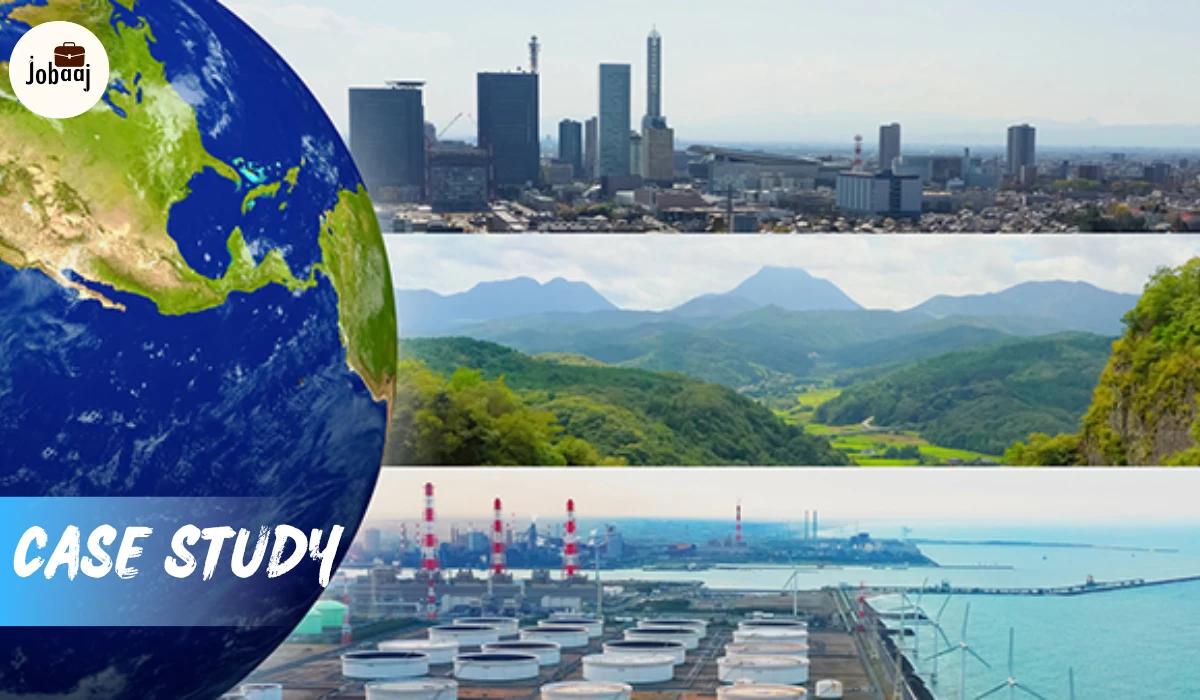
In recent years, climate change has moved from a fringe concern to a central issue for governments, corporations, and individuals around the world. As temperatures rise, extreme weather events become more frequent, and the global environment faces irreversible damage, one thing is clear: the need for action is urgent. The question that has arisen is no longer whether we should act, but how we can balance climate policies with economic growth.
This case study explores the intricate relationship between climate change policies and global economic growth. Specifically, it looks at how countries and industries are responding to climate change while striving to maintain or increase economic growth. It examines the challenges, opportunities, and the critical role of sustainable practices in shaping the future of our economies.
The Problem
Climate change policies are essential in mitigating the environmental damage caused by human activity. However, the concern that many governments and businesses face is how these policies might affect their economies.
Here are some of the challenges that are often encountered:
-
Impact on Industry and Employment: Some industries, such as fossil fuels, face substantial challenges in adapting to climate policies. Reductions in carbon emissions, for example, might lead to job losses in these sectors, and transitioning to green technologies can be costly for companies that rely on traditional practices.
-
Short-Term Economic Disruptions: While the long-term benefits of climate policies are evident, the immediate impact on economic performance can be negative. Increased production costs, taxes, and regulations aimed at reducing carbon emissions can hurt business profits, particularly in industries that depend heavily on fossil fuels.
-
Economic Inequality: There is a fear that climate change policies may disproportionately affect developing countries and poorer communities. These groups often lack the resources to invest in green technologies, creating a gap between wealthy nations and poorer, more vulnerable regions.
Despite these challenges, there is a growing recognition that the global economy cannot thrive without addressing climate change. It’s not about choosing between economic growth and environmental protection it’s about finding sustainable solutions that integrate both.
The Solution
The key to addressing the challenges posed by climate change lies in creating policies that simultaneously mitigate environmental impact while promoting economic growth. A few successful approaches include:
-
Green Technologies and Innovation: Emphasizing the development of green technologies has become a priority for many governments and industries. By investing in renewable energy sources such as wind, solar, and hydropower, nations can reduce their reliance on fossil fuels and create new jobs in the green sector.
-
Carbon Pricing and Emissions Trading: Several countries have implemented carbon pricing mechanisms, such as carbon taxes or cap-and-trade systems, to incentivize companies to reduce their carbon emissions. These policies encourage businesses to innovate and find cost-effective ways to lower their carbon footprint. While there are short-term costs, in the long run, they help drive economic growth by creating new markets and industries.
-
Public-Private Partnerships for Sustainable Development: Collaboration between governments and private enterprises can lead to innovative solutions that promote sustainable economic growth. By incentivizing businesses to invest in green technologies through subsidies, grants, and tax breaks, countries can boost their economies while achieving their climate goals.
-
Global Agreements and Commitments: International cooperation is critical to solving the climate crisis. Agreements like the Paris Climate Agreement set binding targets for reducing carbon emissions and provide a framework for collaboration between nations. By committing to ambitious climate goals, countries can create a global market for sustainable products and services, driving innovation and economic growth.
Findings
Several countries and organizations have already implemented climate policies with mixed but promising results. These policies not only help mitigate environmental damage but also stimulate economic growth in various sectors. Here’s what has been discovered:
-
Growth in Green Jobs: The renewable energy sector has been one of the biggest beneficiaries of climate policies. According to the International Renewable Energy Agency (IRENA), the renewable energy sector created more than 11 million jobs globally in 2020, and this number is expected to grow significantly by 2030. These jobs span various sectors, including solar, wind, energy storage, and electric vehicles.
-
Investment in Clean Energy: Global investment in clean energy is on the rise. In 2020, investments in renewable energy exceeded $500 billion, a record high. Countries such as China, the European Union, and the United States are leading the way in renewable energy adoption. This growing investment in clean energy has led to new industries, technological advancements, and the diversification of the energy market.
-
Economic Resilience through Diversification: Countries with diversified economies that focus on green technologies are proving more resilient to economic shocks. For example, Denmark’s investment in renewable energy technologies has created a strong export market for wind turbines, which helped the country weather the economic impacts of the COVID-19 pandemic more effectively.
-
Increased Market Competitiveness: Companies that have adopted sustainable practices and products have gained a competitive edge in the marketplace. Consumers are increasingly choosing environmentally responsible products, and businesses that align with climate goals have seen an increase in market share and customer loyalty.
-
Long-Term Economic Benefits: A study by the Global Commission on the Economy and Climate found that transitioning to a low-carbon economy could unlock at least $26 trillion in economic benefits by 2030. These benefits would come from increased energy efficiency, renewable energy adoption, and cleaner technologies.
Challenges
While the impact of climate change policies on global economic growth has been positive, there are still several challenges:
-
High Initial Costs: Transitioning to green technologies often requires large upfront investments, which can be a barrier for some countries and businesses. This is especially true for developing countries that lack the financial resources to invest in new infrastructure.
-
Political and Policy Resistance: In some countries, especially those reliant on fossil fuels, there is resistance to adopting climate policies. Political agendas and vested interests in traditional industries can slow the implementation of effective policies.
-
Technological Limitations: While renewable energy technologies have made significant progress, they still face limitations in terms of scalability, energy storage, and infrastructure development. More investment in research and development is needed to overcome these challenges.
Results
Despite the challenges, the results from countries that have embraced climate change policies are promising. As the world continues to push for sustainable development, the future looks increasingly bright for both the environment and the economy. Here are some key results:
-
Carbon Emissions Reduction: Many countries have successfully reduced their carbon emissions by adopting renewable energy, improving energy efficiency, and implementing carbon pricing mechanisms. This has contributed significantly to slowing down climate change and mitigating environmental damage.
-
Economic Growth through Innovation: The rise of green technologies has led to new business opportunities, job creation, and economic growth in various sectors. The global transition to a low-carbon economy has created an entirely new industry, which will continue to grow in the coming decades.
-
Improved Global Cooperation: International agreements and commitments to fight climate change have encouraged collaboration between governments, businesses, and communities. This has led to the creation of global markets for sustainable goods and services, driving further economic growth.
Conclusion
Climate change policies are no longer just a matter of environmental concern they are a cornerstone of global economic growth. While there are challenges to overcome, the transition to a low-carbon economy presents immense opportunities for job creation, innovation, and sustainable growth. Countries and businesses that embrace these changes will not only contribute to a healthier planet but also position themselves at the forefront of the green economy.
As we move forward into 2026 and beyond, the global commitment to sustainable practices will continue to reshape the economic landscape. By implementing forward-thinking climate policies, we can create a more prosperous, equitable, and sustainable world for future generations.
FAQs
Climate change policies play a significant role in shaping global economic growth by encouraging the transition to green technologies, improving energy efficiency, and fostering the creation of new markets. By adopting renewable energy and sustainable practices, countries and businesses can reduce carbon emissions and stimulate innovation, creating new industries and job opportunities.
Businesses that adopt climate-friendly practices often see benefits such as improved market competitiveness, increased consumer loyalty, and access to new markets for sustainable products. These businesses can also take advantage of government incentives, subsidies, and grants that promote green technologies. However, the transition to sustainability may come with initial costs for some businesses, especially those that rely on fossil fuels.
Adopting green technologies leads to long-term economic benefits, including job creation in the renewable energy sector, increased efficiency in production processes, and reduced operational costs. In fact, studies suggest that transitioning to a low-carbon economy could unlock trillions of dollars in economic opportunities, boosting industries such as energy, transportation, and construction.
Yes, developing countries can benefit significantly from climate change policies. Although the initial investment might be challenging, these nations can access global green energy markets, create job opportunities in renewable energy sectors, and attract international funding for sustainable projects. Climate policies can also help mitigate the environmental damage that disproportionately affects developing nations, ensuring a more sustainable future for these regions.
Some challenges include resistance from industries dependent on fossil fuels, the high upfront cost of transitioning to renewable energy, and limited access to advanced technologies in developing regions. Additionally, political resistance, insufficient infrastructure, and inadequate training for workers in green sectors can delay the implementation of effective climate change policies.