
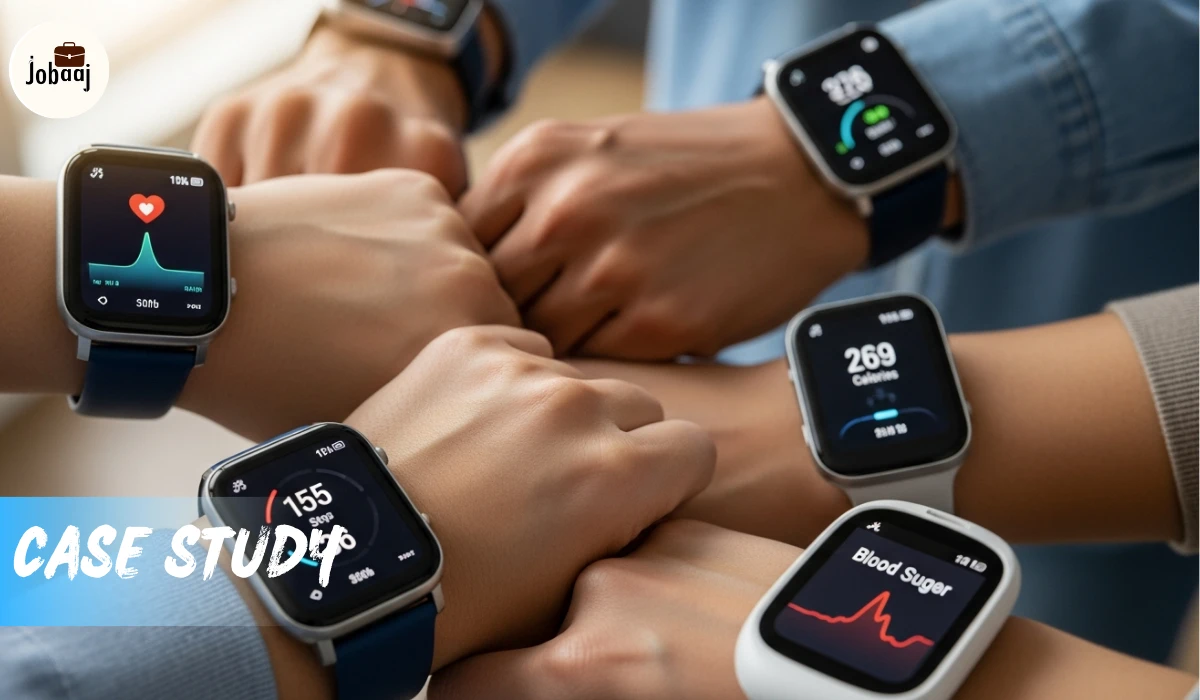
In today’s fast-paced world, health is often an afterthought, overshadowed by busy schedules and the pressures of modern life. Yet, the rise of wearable health devices has transformed the way we approach personal well-being. Imagine a world where your watch doesn’t just tell you the time but also tracks your heart rate, monitors your sleep, and even alerts you when something’s wrong with your body. This is no longer science fiction it's the reality of wearable health devices.
Wearable health devices, ranging from fitness trackers like Fitbit to advanced smartwatches like the Apple Watch, have become indispensable tools for preventive care. These devices provide individuals with real-time data about their health, empowering them to take charge of their well-being and make informed decisions. In this case study, we’ll explore how wearable health devices are revolutionizing preventive care, their impact on health outcomes, and the future of this technology.
Background
The concept of wearable health devices has evolved from basic pedometers to highly sophisticated gadgets that monitor various vital signs. In the past decade, there has been an explosion of wearable technology, fueled by advancements in sensor technology, data analytics, and connectivity. These devices, which are worn on the body, constantly collect data about various aspects of a person’s health, such as:
-
Heart rate
-
Steps taken
-
Calories burned
-
Sleep patterns
-
Blood oxygen levels
-
Stress levels
The ability to continuously track this data has allowed healthcare providers and individuals to shift from reactive to preventive care. Instead of waiting for a health issue to arise, wearable devices offer insights that can prevent potential problems by identifying early signs of disease or irregularities.
Problem
Despite the benefits, wearable health devices face several challenges in their widespread adoption and effectiveness in preventive care:
-
Data Privacy and Security: As wearable health devices collect sensitive data, there are concerns about how this information is stored and used. Ensuring data privacy and security is a significant hurdle, as users may feel uneasy about sharing personal health data with tech companies or third parties.
-
Accuracy of Data: While wearable devices have made significant strides in data accuracy, there are still questions about how precise the readings are, especially when compared to medical-grade devices. For example, wrist-based heart rate monitors may not be as accurate as ECG machines used in hospitals.
-
Lack of Standardization: With a wide variety of devices available, there is no universal standard for the types of data tracked, the methods used to collect the data, or the way it is interpreted. This lack of consistency can make it difficult for doctors to rely on data from these devices when making important medical decisions.
-
Health Behavior Change: While wearables provide valuable data, the real challenge is getting individuals to act on the information. Many users struggle with turning health data into actionable steps, such as maintaining consistent exercise or making dietary changes based on insights from their devices.
Approach / Strategy
The rise of wearable health devices is rooted in several key strategies that help bridge the gap between technology and healthcare:
-
Real-time Health Monitoring: Devices like smartwatches and fitness trackers provide continuous real-time health data, enabling users to monitor their health status throughout the day. This continuous monitoring helps users make immediate adjustments to their lifestyle, such as exercising more if their activity levels are low or taking a rest when their heart rate is too high.
-
Integration with Healthcare Systems: Many wearable devices have started to integrate with healthcare platforms and patient management systems. For instance, Apple’s HealthKit allows users to share health data with their doctors, enabling remote monitoring and more personalized care.
-
Behavioral Nudges: Wearable devices also come equipped with features designed to encourage health behavior changes. These devices provide reminders to drink water, move, or even take a deep breath when stress levels rise. Such features help foster a habit of self-care and prevent health issues before they arise.
-
Personalized Health Insights: Wearables are not just tracking data; they are analyzing it too. By using machine learning and artificial intelligence, devices can offer personalized insights to the user. For example, some devices can analyze your sleep patterns and offer tailored recommendations on how to improve sleep quality, such as adjusting your bedtime or reducing caffeine intake.
Key Findings
Several key findings have emerged as wearable health devices continue to be integrated into preventive care strategies:
-
Early Detection of Health Issues: Wearable devices can detect signs of heart disease, sleep apnea, high blood pressure, and irregular heart rhythms much earlier than traditional methods. For example, an Apple Watch has been known to alert users about irregular heart rhythms, which could indicate an underlying condition such as atrial fibrillation.
-
Improved Health Outcomes: Studies have shown that users of wearable devices tend to be more active, exercise regularly, and are more mindful of their health. The continuous monitoring helps them stay engaged with their health goals, leading to improved overall health outcomes.
-
Remote Healthcare: Wearable devices have enabled remote healthcare by allowing doctors to monitor patients' vital signs remotely. This is particularly useful for patients with chronic conditions who need regular check-ups without having to visit the hospital.
-
Personalized Health Plans: By tracking a variety of health metrics, wearable devices help users create personalized health plans. These plans are based on real-time data, helping individuals make informed decisions about their lifestyle, diet, and fitness.
Results / Impact
The impact of wearable health devices has been profound:
-
Healthier Lifestyles: With the continuous feedback provided by wearable devices, users are more likely to adopt healthier habits such as walking more, monitoring their heart health, or reducing stress. This has led to an overall increase in the number of people engaging in regular physical activity.
-
Cost Savings for Healthcare: By preventing diseases before they progress, wearable devices can help reduce the financial burden on healthcare systems. Early detection and intervention can lower treatment costs and improve healthcare efficiency.
-
Empowering Users: Wearable health devices have empowered users by giving them control over their health. They no longer have to wait for regular doctor visits to know how their body is functioning. With this real-time data, users can take preventive measures when necessary, reducing the risk of serious health conditions.
Lessons Learned
-
Technology Needs to Be Accessible: While wearables are helping many, there is still a need for more affordable devices to ensure that these benefits reach everyone. Access to health technology should not be limited to only those who can afford high-end devices.
-
Data Privacy is Crucial: The success of wearable health devices depends on how well user data is protected. Ensuring the privacy and security of health data will be essential in encouraging widespread adoption.
-
Behavioral Change is Key: Wearables provide the data, but the key to success lies in helping individuals act on it. Designing devices that offer actionable insights and motivational nudges will be critical for fostering long-term health behavior changes.
Conclusion
Wearable health devices have undeniably transformed the landscape of preventive care. By providing real-time health data, these devices empower individuals to take control of their well-being and make informed decisions. From detecting early signs of disease to fostering healthier lifestyles, wearables have proven that technology can significantly improve health outcomes. As these devices continue to evolve, their role in preventive care will only expand, making healthcare more personalized, proactive, and accessible for all.
FAQs
Wearable health devices are gadgets like fitness trackers and smartwatches that monitor your health in real-time. They track various health metrics such as heart rate, steps, calories burned, sleep patterns, and more to help individuals stay on top of their health.
Wearable health devices provide continuous monitoring of vital health parameters. By detecting early signs of health issues, they allow users to take preventive actions before problems escalate. This proactive approach helps reduce the risk of serious diseases.
While wearable health devices have improved significantly in terms of accuracy, they may not be as precise as medical-grade devices. For instance, wrist-based heart rate monitors may not match the accuracy of ECG machines used in hospitals. However, they are still effective for general monitoring and early detection.
Yes, wearable health devices play a significant role in disease prevention. By constantly tracking vital signs such as heart rate, blood oxygen levels, and activity levels, these devices can alert users to abnormalities or early signs of conditions like heart disease, sleep apnea, or high blood pressure.
Wearable health devices encourage healthier lifestyles by providing real-time feedback. This constant tracking helps users become more conscious of their health and motivates them to make positive changes, such as increasing physical activity, improving sleep habits, or reducing stress.
Some challenges include ensuring data privacy and security, accuracy of data, and the lack of standardization among different devices. Additionally, wearable devices must help users turn health data into actionable steps to truly be effective in improving health.