
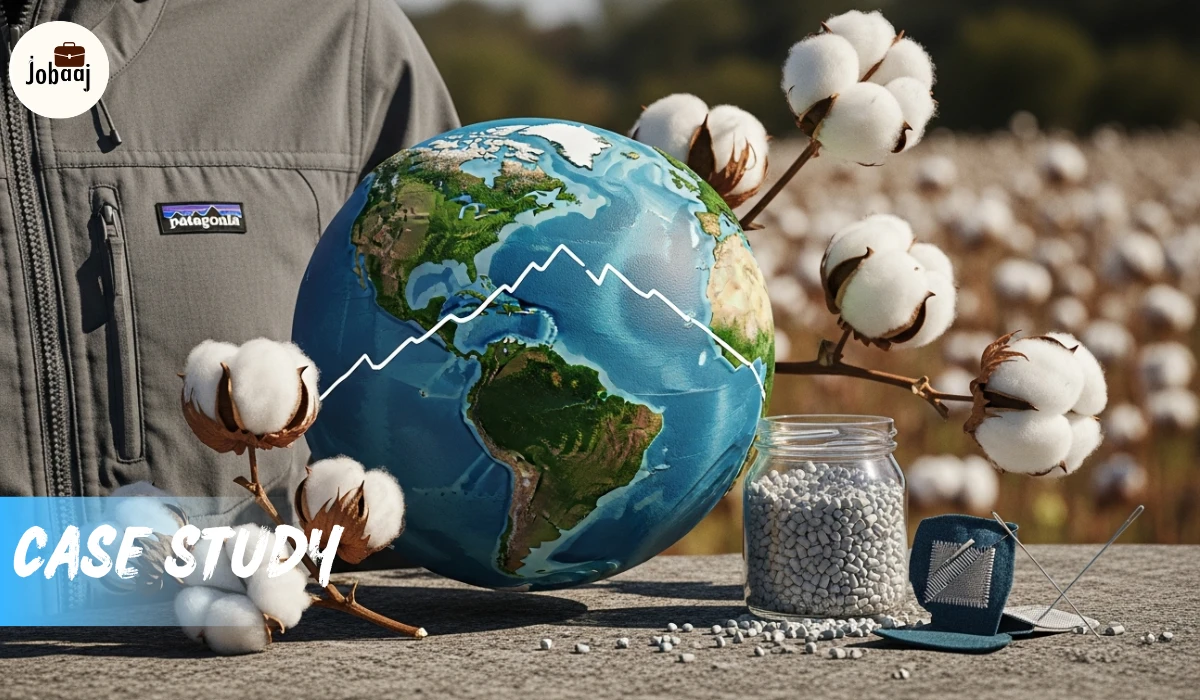
In 2026, sustainability is no longer just a buzzword it's an urgent call for change in industries worldwide. Among the companies leading this charge is Patagonia, a brand that has taken sustainability to heart for decades. But here’s the real story: Patagonia isn’t just about selling clothes. It’s about a mindset, a commitment, and a mission to do more than just make a profit. It’s about making a difference.
Imagine a world where clothing brands are as committed to the planet as they are to the latest fashion trends. That’s what Patagonia has been working toward for years. The company, founded in 1973 by Yvon Chouinard, began as a small climbing gear business. But over time, it grew into one of the most respected brands, not just for its products, but for its uncompromising commitment to environmental sustainability.
Patagonia’s journey is more than just a business success; it’s a revolution in the apparel industry. In a world dominated by fast fashion, Patagonia stands out not only for its high-quality gear but also for its ethical practices. But what does it take to balance environmental responsibility with running a successful global brand? Let’s dive into Patagonia’s sustainability story and see how the company continues to thrive while protecting the planet.
The Challenge
The apparel industry is one of the largest polluters in the world. From toxic dyes to excessive water consumption, the impact of fashion on the environment is immense. Fast fashion, in particular, has been criticized for encouraging a disposable culture, where clothes are bought cheaply and discarded just as quickly. This not only contributes to mountains of textile waste but also leads to unsustainable consumption of natural resources.
For Patagonia, the challenge was clear: How could they create high-quality, durable clothing that people would want to buy, without harming the planet in the process? It wasn’t just about designing for durability; it was about taking responsibility for the entire lifecycle of their products. The question wasn’t just “What will we make?” but “How will we make it, and how will it affect the environment?”
The Strategy
Patagonia took a bold, yet necessary approach to solve the problem. The company chose to view sustainability not as a trend, but as a core business strategy that would influence every decision from sourcing raw materials to how products were marketed. Here’s how Patagonia tackled the challenges of building a sustainable business in the apparel industry:
1. Sustainable Materials
Patagonia started by embracing environmentally friendly materials. The company swapped traditional cotton for organic cotton (saving millions of gallons of water in the process) and shifted to recycled polyester, often sourced from plastic bottles. Patagonia didn’t stop there hemp, wool, and biodegradable dyes became part of their eco-friendly materials lineup.
By ensuring that the raw materials were sourced responsibly, Patagonia set the stage for a much lower environmental impact at every step.
2. Circular Economy – Worn Wear Program
One of the most innovative initiatives Patagonia introduced was the Worn Wear program. Instead of simply encouraging customers to buy new products, Patagonia invited them to buy less and keep items longer. They offered repair services and even a marketplace for buying and selling used Patagonia gear. This not only reduced waste but also made sustainability part of the company’s customer experience.
By embracing the circular economy, Patagonia ensured that their products wouldn’t just be discarded at the end of their lives. Customers were given the option to recycle, repair, or resell their old items, extending the lifespan of each product.
3. Fair Trade and Transparent Supply Chains
Patagonia didn’t just look at environmental impact it looked at the people behind the products too. The company became one of the first in the industry to earn Fair Trade certification for its factories. This meant that workers earned higher wages, worked in better conditions, and were treated more fairly than the industry standard. Patagonia’s transparency about its supply chain gave customers the chance to trace every product back to its origins, making it clear that ethical production was a cornerstone of their operations.
4. Activism and Advocacy
But sustainability for Patagonia didn’t stop at products. The company used its platform to advocate for change. From protecting public lands to fighting against climate change, Patagonia didn’t just donate money it used its voice and influence to lobby for policies that would benefit the environment.
Whether it was taking legal action to prevent national park privatization or donating 1% of its sales to environmental causes, Patagonia made sure that its business decisions supported the planet in every possible way.
Findings
As Patagonia continued its journey toward sustainability, the company found that its efforts paid off in both unexpected and predictable ways:
-
Stronger Brand Loyalty
Patagonia’s commitment to environmental responsibility didn’t just attract customers it earned their loyalty. Consumers who care about sustainability were more likely to buy from Patagonia, and they often paid a premium for products that were responsibly sourced and made.
-
Influence in the Industry
Patagonia’s actions sparked a wider movement in the apparel industry. Competitors, both large and small, began to take sustainability more seriously, from sourcing better materials to improving working conditions in factories. Patagonia proved that doing good for the planet could lead to a competitive edge in the market.
-
Sustained Profitability
Despite higher costs for sustainable materials and ethical manufacturing, Patagonia’s decision to prioritize sustainability didn’t hurt its bottom line in fact, it helped. The brand enjoyed steady growth, with more consumers supporting the company’s vision. This showed that businesses could be both eco-conscious and financially successful.
Results
-
Worn Wear Program Success
Patagonia’s Worn Wear program saw significant success, with customers eagerly participating in the resale and repair program. This initiative helped reduce product waste and promoted recycling in the fashion industry.
-
Real-World Impact
The brand’s environmental activism led to real-world policy changes, like the protection of national parks and forests in the U.S.
-
Sustained Growth
Financially, Patagonia enjoyed sustained growth, proving that businesses can thrive while putting the planet first.
Lessons Learned
Patagonia’s experience offers several key takeaways for businesses seeking to adopt sustainability:
-
Sustainability Should Be a Core Business Value: Patagonia didn’t treat sustainability as a side project; it became central to their business strategy. Every decision from the design of products to how they interacted with customers was rooted in their environmental commitment.
-
Transparency Builds Trust: By being open about sourcing, manufacturing, and even failures, Patagonia built a strong trust-based relationship with its customers.
-
Consumers Care About Ethics: Today’s customers are looking for more than just a product; they want to know the story behind the brand. Patagonia’s story resonated deeply with environmentally conscious consumers who wanted their purchasing decisions to reflect their values.
Conclusion
Patagonia’s commitment to sustainability shows that it’s possible to run a successful business while making a positive impact on the planet. The company’s journey is a powerful reminder that profit doesn’t have to come at the expense of the planet. Instead, Patagonia’s sustainable business practices have led to greater brand loyalty, wider industry influence, and continued growth.
In 2026, Patagonia stands as a shining example for businesses looking to balance profit with purpose. Its story is a testament to how companies can make a real difference one product, one policy, and one customer at a time.
FAQs
Patagonia stands out in the apparel industry due to its deep commitment to environmental sustainability. The company uses eco-friendly materials like organic cotton and recycled polyester, and embraces a circular economy model through its Worn Wear program. Additionally, Patagonia focuses on fair trade practices and actively advocates for environmental causes, influencing both the industry and its customers.
The Worn Wear program encourages customers to buy less by offering used Patagonia items for sale and providing repair services. This initiative helps reduce textile waste, extends the lifespan of products, and promotes the idea of recycling and reusing clothing, which is a key element of Patagonia’s circular economy approach.
Patagonia became one of the first apparel brands to earn Fair Trade certification for its factories, ensuring workers are paid fairly, work in safe environments, and have access to better wages and benefits. The company’s commitment to transparency in its supply chain also allows customers to trace products back to their origins.
Patagonia’s founder, Yvon Chouinard, believed that businesses have a responsibility to the environment and society. Instead of focusing solely on profit, Patagonia made sustainability a core value, believing it would not only create a better world but also build long-term brand loyalty and trust with consumers.
Patagonia’s environmental activism has sparked a larger movement within the apparel industry. By advocating for environmental protection, funding climate change research, and challenging national policies, the company has raised awareness and set a new standard for other brands to adopt more sustainable practices.
Yes, other companies can follow Patagonia’s lead by integrating sustainability into their core business strategies. The key is to view sustainability not as a trend but as a long-term commitment. Companies must invest in eco-friendly materials, ethical manufacturing practices, and be transparent with their consumers about their environmental impact.