
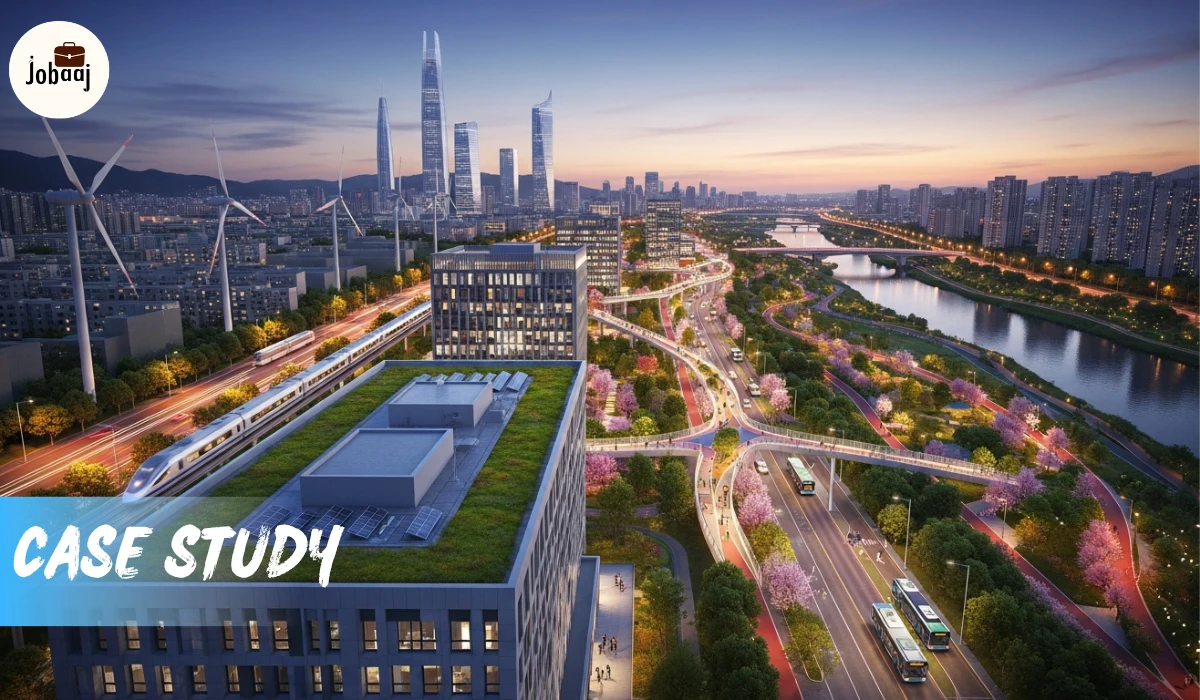
As the world continues to urbanize at an accelerated rate, cities are grappling with the challenges of growth, environmental degradation, and sustainability. Traditional ways of urban development often resulted in overcrowded spaces, high pollution, and poor living conditions. However, as the demand for better living standards grows, sustainable urban planning is emerging as a game-changer, offering a solution that balances growth with environmental care.
In this blog, we’ll explore how sustainable urban planning is transforming cities worldwide, the challenges faced, and how adopting eco-friendly practices in urban design is reshaping the way we think about living in cities.
The Problem
With the rapid rise in urban population, cities across the globe, including those in India, are facing several pressing issues:
-
Overcrowding: Cities are growing faster than the infrastructure can support, leading to traffic congestion, crowded public spaces, and overburdened utilities.
-
Pollution: Urban centers often face the challenge of deteriorating air quality and water pollution due to increased vehicle emissions, industrial waste, and inadequate waste management.
-
Depleting Resources: Natural resources like water, energy, and land are being overused, making it harder for cities to maintain their growth and meet the needs of residents.
-
Unequal Access to Amenities: Not all urban residents have access to basic services, such as clean water, transportation, healthcare, and education.
These challenges don’t just affect the quality of life; they also impact the economy and overall health of a population. As cities expand rapidly, the old models of urban planning no longer serve the needs of a modern, eco-conscious society.
Approach to Sustainable Urban Planning
Sustainable urban planning is not just about green parks or solar-powered buildings. It’s about creating cities that are livable, efficient, and resilient to environmental and social challenges. So, how do cities build this sustainable future? It starts with intentional planning at every level designing urban spaces that integrate green spaces, smart mobility, energy efficiency, and inclusive community development.
Here are a few principles that are being widely adopted:
1. Green Infrastructure: Embracing Nature in the City
The idea of incorporating nature into urban planning is no longer a luxury but a necessity. From rooftop gardens and green walls to parks, urban forests, and stormwater management systems, cities are increasingly integrating green infrastructure into their design. These features not only improve air quality and reduce pollution, but they also provide much-needed recreational spaces for residents.
For example, cities like Singapore have transformed their urban landscape into a “City in a Garden” by incorporating green spaces in every aspect of urban planning.
2. Sustainable Mobility: Redefining Transportation
If you’ve ever been stuck in traffic for hours, you know how frustrating it can be. Sustainable urban planning tackles this problem by creating walkable neighborhoods, investing in public transportation, and promoting cycling. By integrating metro systems, electric buses, and bike lanes, cities can reduce traffic congestion, cut down on emissions, and make commuting more efficient.
Cities like Copenhagen and Amsterdam are pioneers in sustainable mobility, with cycling infrastructure deeply embedded in their urban fabric.
3. Eco-friendly Buildings: Designing for Energy Efficiency
Urban sprawl often leads to increased energy consumption, but with sustainable planning, cities are starting to adopt green building standards. Energy-efficient buildings that use solar panels, LED lighting, and natural ventilation are becoming more common, reducing energy demand and creating healthier living spaces.
India is seeing a rise in green buildings through certifications like LEED (Leadership in Energy and Environmental Design), and many large cities are working towards making eco-friendly architecture the norm.
4. Smart Water Management and Waste Reduction
Water scarcity is a growing concern, particularly in large cities. Urban planners are now focusing on rainwater harvesting, wastewater recycling, and efficient water management systems to make cities more sustainable. Similarly, waste management techniques like composting and recycling are being encouraged, along with initiatives like zero waste policies in several Indian states.
Real-World Examples: Cities Leading the Change
Several cities worldwide have embraced sustainable urban planning, and they serve as excellent models for others to follow:
Copenhagen, Denmark
Copenhagen is often considered one of the world’s greenest cities. With an ambitious goal of becoming carbon neutral by 2025, Copenhagen leads the charge in sustainable transportation, energy efficiency, and green spaces. The city’s cycling infrastructure is a hallmark of its green vision, and it has also invested heavily in district heating systems that use waste heat to warm homes.
Singapore
Singapore is a perfect example of urban sustainability with its vertical gardens and eco-friendly high-rises. The city’s emphasis on green infrastructure and sustainable mobility has made it a global leader in smart city development. Singapore’s approach to integrating nature with urban life has made it a model for cities around the world.
Curitiba, Brazil
Curitiba is a great example of innovative public transportation. With its bus rapid transit system, Curitiba has transformed the way people move around the city. This efficient public transportation network has significantly reduced traffic congestion, making the city more sustainable and livable.
The Results
Sustainable urban planning isn’t just about making cities look better; it’s about creating systems that function efficiently while preserving resources for future generations. Here are some of the results of adopting sustainable practices:
-
Reduced Carbon Footprint: Green infrastructure, sustainable mobility, and energy-efficient buildings have helped cities reduce emissions and combat climate change.
-
Improved Public Health: Clean air, more green spaces, and sustainable transportation options contribute to a healthier lifestyle for urban residents.
-
Economic Growth: Sustainable cities attract investments, create jobs, and encourage innovation in industries like renewable energy, green construction, and sustainable agriculture.
Key Takeaways
-
Sustainability is crucial for the future of cities, ensuring that urbanization doesn’t come at the cost of the environment.
-
Technology plays a key role in shaping smart, efficient, and eco-friendly cities.
-
Collaboration between governments, developers, and citizens is vital for making sustainable urban planning a reality.
-
Adopting a holistic approach to urban development is essential for creating cities that are not just livable today but are also prepared for the challenges of tomorrow.
Conclusion
Sustainable urban planning is the key to creating cities that are not only efficient and livable but also environmentally friendly and resilient to future challenges. As the demand for greener, smarter, and more sustainable cities grows, urban planners, governments, and residents must work together to make these visions a reality.
From reducing pollution and improving public health to creating vibrant, thriving communities, sustainable urban planning is the roadmap for the cities of the future. By embracing these principles, cities can ensure they are not just surviving but thriving for generations to come.
FAQs
Sustainable urban planning focuses on creating cities that balance environmental, social, and economic needs, promoting long-term sustainability through green infrastructure, energy-efficient buildings, and sustainable transportation.
By reducing carbon emissions, improving energy efficiency, and integrating nature into urban spaces, sustainable urban planning helps mitigate climate change and conserves natural resources.
The key components include green infrastructure, sustainable mobility, energy-efficient buildings, waste reduction, and water management, all aimed at creating livable and resilient cities.
Cities like Copenhagen, Singapore, and Curitiba are leading examples of sustainable urban planning, with initiatives in green infrastructure, sustainable transport, and eco-friendly buildings.
Citizens can get involved by advocating for sustainable policies, using public transport, participating in community green initiatives, and supporting businesses and developers committed to sustainability.
Benefits include reduced pollution, improved public health, increased property values, and a more sustainable and resilient urban environment for future generations.