
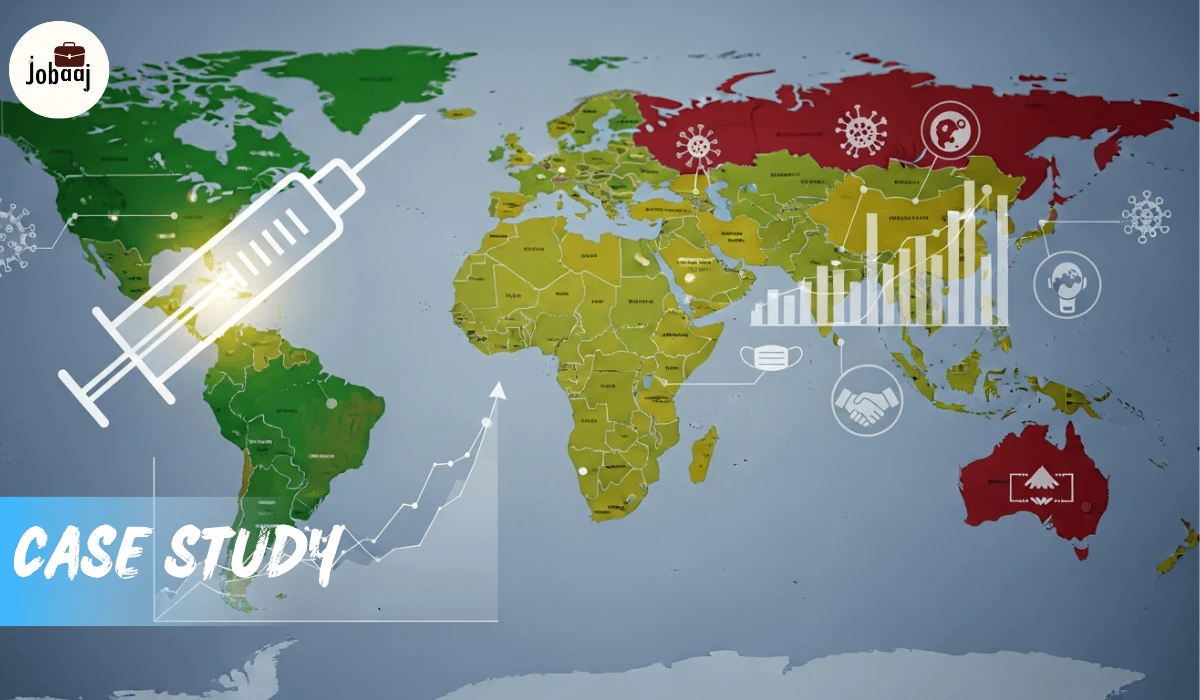
In the fight against the COVID-19 pandemic, one of the most transformative events was the global rollout of the COVID-19 vaccine. As the virus swept across the world, devastating lives, economies, and healthcare systems, the race for a vaccine began in earnest. The urgency to develop, manufacture, and distribute vaccines was unprecedented in modern history. What followed was an immense logistical and scientific effort that showcased the potential of global collaboration, technological advancements, and scientific innovation in responding to a crisis.
This case study delves into the global impact of the COVID-19 vaccine rollout., exploring the challenges, strategies, results, and lessons learned from this historic achievement. We’ll also look at how the vaccine’s distribution has impacted global health, economies, and public perception.
Problem Statement
At the start of the pandemic, healthcare systems worldwide were overwhelmed by an unpredictable virus. The initial challenge was the lack of effective treatments and vaccines to combat the disease. Governments and medical professionals were unsure how long it would take to develop a viable vaccine. In addition, the virus was spreading rapidly, and the world was grappling with the threat of widespread illness and death.
The main challenges in rolling out the COVID-19 vaccine included:
-
Vaccine Development Speed: In normal times, developing a vaccine could take years. With COVID-19, scientists had to expedite the process while ensuring the vaccine was safe and effective.
-
Supply Chain and Distribution: Transporting millions of vaccine doses to remote parts of the world was a complex logistical challenge. Vaccines required specific storage and handling conditions, such as cold-chain storage for certain types.
-
Equitable Access: Ensuring that vaccines were available to all countries, particularly low-income nations, became a pressing concern. The rich-poor divide in vaccine access highlighted the need for global cooperation.
-
Vaccine Hesitancy: As vaccines were developed at an unprecedented speed, some members of the public were hesitant to receive the vaccine due to safety concerns or misinformation.
Despite these challenges, the rollout of the COVID-19 vaccine became one of the most important milestones in managing and ultimately combating the pandemic.
Approach to Vaccine Rollout
The approach to the COVID-19 vaccine rollout was driven by a combination of scientific innovation, global partnerships, and logistical precision. Key elements of the strategy included:
1. Rapid Vaccine Development
For the first time in history, vaccine development was fast-tracked with a global effort. Researchers used novel technologies, such as mRNA vaccines (Pfizer-BioNTech, Moderna), which were developed in under a year far quicker than traditional vaccines.
This was made possible by:
-
Collaborative research between pharmaceutical companies, governments, and organizations like WHO.
-
Large-scale funding and resource mobilization from governments and private entities.
-
The use of mRNA technology, which allowed for a faster and more flexible vaccine development process.
2. Global Distribution Partnerships
Distribution required immense coordination across multiple sectors. COVAX, a global initiative led by the World Health Organization (WHO), GAVI, and the Coalition for Epidemic Preparedness Innovations (CEPI), aimed to ensure equitable vaccine access for low- and middle-income countries.
Key elements of this approach included:
-
Cold-Chain Logistics: Vaccines, especially mRNA-based ones, required ultra-cold storage. This presented a challenge for developing countries, but global supply chains were adjusted to meet the demand.
-
Global Coordination: Organizations like the UN, national governments, and private partners worked together to ensure vaccines reached their destinations in time.
3. Public Health Campaigns and Communication
To combat vaccine hesitancy and misinformation, governments and organizations launched massive public health campaigns. These campaigns focused on:
-
Educating the public about the safety and benefits of vaccines.
-
Dispelling myths and misinformation surrounding the vaccines.
-
Encouraging vulnerable groups (elderly, healthcare workers, and high-risk individuals) to take the vaccine.
Influential public figures, scientists, and health experts played a significant role in endorsing the vaccine to build trust and encourage widespread uptake.
Key Findings
The rollout of the COVID-19 vaccine was met with several notable findings:
1. Increased Global Collaboration
The COVID-19 vaccine rollout saw an unprecedented level of international cooperation between governments, pharmaceutical companies, global health organizations, and non-governmental organizations. This level of collaboration helped expedite the vaccine development and distribution process.
2. The Importance of Technology
Technological innovations, especially mRNA vaccine technology, played a critical role in enabling the rapid development of effective vaccines. Additionally, data analytics was crucial in tracking vaccine distribution, monitoring adverse effects, and ensuring the vaccines reached the right populations.
3. Addressing Vaccine Hesitancy
While vaccine adoption was relatively high in many countries, vaccine hesitancy remained a challenge. Public education and transparent communication were critical in addressing these concerns. Misinformation on social media also played a significant role, highlighting the need for strong digital literacy programs.
4. Inequitable Access to Vaccines
One of the major lessons learned from the vaccine rollout is the stark contrast in access between high-income and low-income countries. Although initiatives like COVAX helped mitigate this issue, a global commitment to vaccine equity is needed to address health disparities in the future.
Results and Impact
1. Public Health Impact
The most significant result of the vaccine rollout was its impact on public health. Vaccination campaigns have led to a significant reduction in COVID-19 infections, hospitalizations, and deaths worldwide. In countries with high vaccination rates, the healthcare system has seen reduced pressure, allowing economies to begin recovering and social activities to resume.
2. Economic Recovery
The vaccine rollout has allowed many nations to start their economic recovery by re-opening businesses, travel, and public events. The global economy, which had been severely impacted by lockdowns and restrictions, has shown signs of stabilization thanks to the widespread availability of vaccines.
3. Societal and Global Impact
On a societal level, the vaccine rollout has encouraged a sense of global solidarity. It highlighted the interconnectedness of people across borders and the importance of working together to tackle common challenges. Moreover, it laid the foundation for future pandemic preparedness and the development of vaccines for other diseases.
Challenges and Opportunities
Despite its success, the vaccine rollout came with several challenges:
1. Logistical Hurdles
Distributing billions of vaccine doses globally, with specific storage requirements, was an immense logistical challenge. However, it demonstrated the importance of global infrastructure investment and international collaboration in overcoming future challenges.
2. Vaccine Equity
The disparity in vaccine access between rich and poor nations remains a critical issue. Moving forward, international policies must ensure equitable access to vaccines for all, regardless of socioeconomic status or geographical location.
3. Long-Term Vaccination Strategy
While the initial vaccine rollout was crucial, the long-term strategy involves ensuring that booster doses are administered and that global vaccination coverage is maintained. This also includes addressing emerging variants of the virus, which may necessitate new vaccines or updated formulations.
Conclusion
The COVID-19 vaccine rollout was one of the most significant global efforts in modern history. Despite facing immense challenges ranging from logistical complexities to vaccine hesitancy the world managed to make incredible strides in vaccinating billions of people.
The success of the vaccine rollout has provided invaluable lessons in global cooperation, technology innovation, and public health management. As we look to the future, the COVID-19 vaccine rollout serves as a model for addressing global health crises, promoting equitable healthcare access, and preparing for future pandemics.
FAQs
The COVID-19 vaccine rollout had a profound global impact by reducing illness and deaths, enabling economic recovery, and fostering global cooperation. It also highlighted challenges like vaccine equity and distribution logistics.
Data analytics helped optimize the distribution process by tracking vaccine stocks, predicting demand, and identifying areas with the highest need, ensuring efficient allocation across regions.
Some major challenges included supply chain issues, cold-chain logistics for vaccine storage, vaccine hesitancy among the public, and the disparity in vaccine access between wealthy and low-income countries.
The vaccine rollout facilitated the reopening of economies, helped stabilize markets, and supported the recovery of sectors such as travel and retail, significantly reducing the economic impact of the pandemic.
The key lessons include the importance of global collaboration, efficient supply chain management, addressing vaccine hesitancy through clear communication, and ensuring equitable access to healthcare worldwide.
Yes, the COVID-19 vaccine will serve as a model for future vaccine development and distribution, helping to speed up responses to potential pandemics and ensuring better preparedness for global health crises.