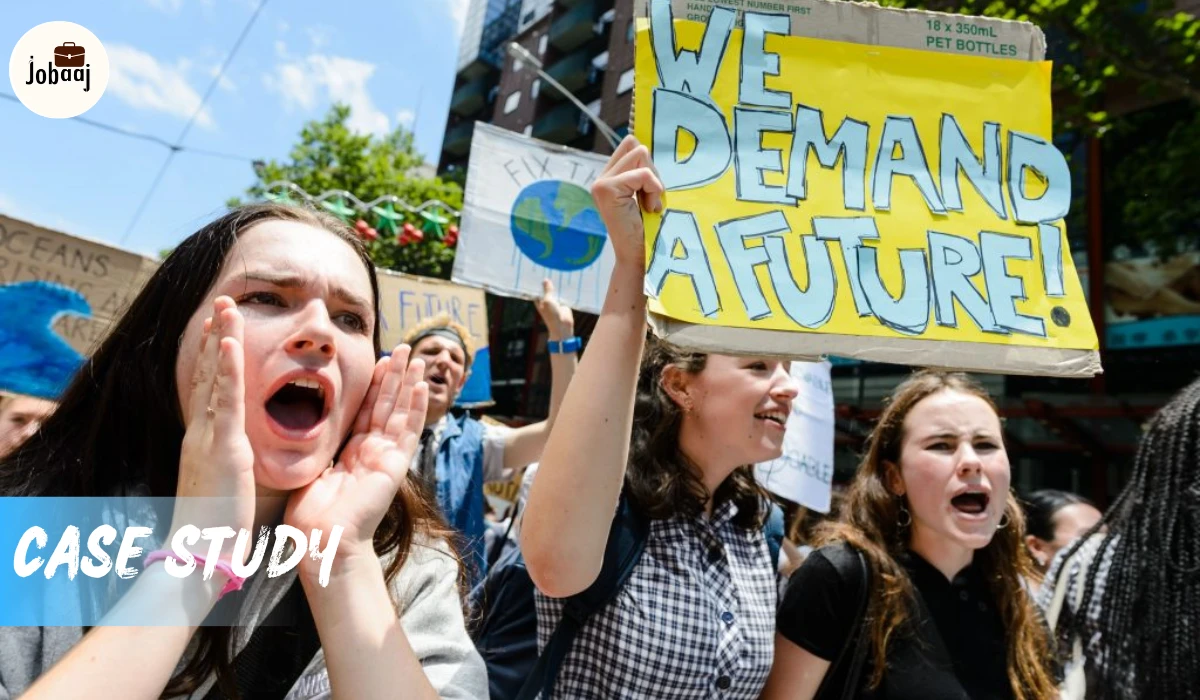
In recent years, youth activism has emerged as one of the most potent forces for social, environmental, and political change across the globe. From climate strikes to social justice movements, young people have been at the forefront of many critical issues. With platforms like Twitter, Instagram, and TikTok, the youth has an unprecedented ability to mobilize, influence, and create change on a global scale.
This case study explores the global influence of youth activism, diving into the movements that shaped contemporary global discussions and how young people continue to drive change in their communities and beyond.
Background / Context:
Youth activism has always existed in some form. However, the modern wave of activism started gaining momentum in the early 2000s with the advent of the internet and social media. Platforms such as Facebook and Twitter allowed youth voices to be amplified, spreading causes like environmental conservation, political participation, and human rights more quickly than ever before.
One of the most notable figures in modern youth activism is Greta Thunberg, who ignited the Fridays for Future movement by skipping school to protest climate change. This movement, which began with a single individual, turned into a global call to action, involving millions of young people worldwide.
Problem Statement:
Despite the increasing role of young people in activism, their voices are often disregarded by politicians, businesses, and even older generations. In many societies, there remains a strong belief that youth should focus on their studies and careers instead of addressing societal issues. As a result, youth activism was often sidelined, with adults making decisions about the future without consulting or considering the views of the younger generation, who would ultimately bear the brunt of those decisions.
Youth-led movements have therefore become crucial, not just to raise awareness, but to demand accountability from leaders and stakeholders. Young activists are pushing for action on climate change, equal rights, and democracy, often highlighting the urgency of their generation’s stake in the future.
Case Details
There are countless youth-led movements around the world that have garnered global attention and have had a significant impact. Here are some of the most notable examples:
-
Fridays for Future:
Initiated by Greta Thunberg in 2018, this climate strike movement quickly became a global phenomenon. Youth around the world skipped school on Fridays to protest government inaction on climate change. The movement is a testament to how one young individual, with clear goals and determination, can mobilize millions. Greta’s speeches at the United Nations Climate Change Conference and Davos brought the voice of youth to global policymakers.
-
Black Lives Matter:Initially started in 2013 by Patrisse Cullors, Alicia Garza, and Opal Tometi in response to the acquittal of George Zimmerman in the shooting death of Trayvon Martin, Black Lives Matter gained global traction especially after the killing of George Floyd in 2020. The protests, largely led by young activists, highlighted systemic racism and police brutality. The youth played a critical role in using social media platforms to amplify their message globally, sparking protests and conversations worldwide.
-
Hong Kong Protests:
In Hong Kong, youth led pro-democracy protests in 2019, using technology to organize protests against the Chinese government’s increasing influence over the region. Despite the crackdown from authorities, the youth of Hong Kong remained steadfast, with online and offline campaigns continuing to rally for democratic reforms.
-
The Arab Spring:In the early 2010s, youth in countries across the Middle East and North Africa, particularly in Egypt and Tunisia, used social media to organize mass protests, calling for the resignation of oppressive leaders. Twitter and Facebook allowed young people to document the government's oppressive actions, creating a globalized resistance. Though the political outcomes of the Arab Spring were mixed, it showed the world how powerful youth activism could be when paired with social media mobilization.
Key Findings:
-
Amplification Through Social Media: The most prominent finding from youth-led movements is that social media is an essential tool for organizing, raising awareness, and driving action. Platforms like Instagram and TikTok have allowed youth activists to reach global audiences instantly. The viral nature of social media campaigns has led to greater visibility for causes that may otherwise not receive attention.
-
Cross-border Solidarity: Youth activism is no longer confined to local communities. Global movements like Fridays for Future and Black Lives Matter demonstrate how youth causes can cross borders and unite individuals around the world. The shared struggles of young people in various parts of the world have fostered a global solidarity for social change.
-
A Shift in Power Dynamics: Youth-led movements have forced institutions to rethink their approach to leadership and decision-making. Politicians, businesses, and organizations are increasingly acknowledging the power of the youth vote, with many movements demanding policies that benefit future generations.
Impact / Results:
Youth activism has resulted in tangible, real-world change in various spheres. For example:
-
Environmental Impact: The Fridays for Future movement has successfully raised awareness about climate change and pressured governments to take more action toward reducing carbon emissions.
-
Political Change: In countries like Tunisia, Egypt, and Hong Kong, youth activism has led to political change, whether through regime change or calls for reforms.
-
Cultural Shifts: The Black Lives Matter movement has had a profound impact on global attitudes towards racism and police violence, leading to significant policy shifts in several countries and cultural shifts in public perception.
Lessons Learned:
-
Youth Voice is Powerful: When youth come together, their collective voice can bring about significant social and political change. Young activists have demonstrated that youth-led movements can lead to real-world consequences and influence decisions at the highest levels.
-
Technology is a Game-Changer: Social media platforms are essential in creating awareness, mobilizing support, and organizing protests. The rapid spread of information through social media has revolutionized how youth engage in activism.
-
Global Collaboration is Key: Youth activism shows that the fight for a better future transcends national borders. Collaboration and solidarity among youth activists globally can create movements with far-reaching impacts.
Conclusion
Youth activism continues to shape the future of social, political, and environmental change. With the power of social media, global collaboration, and passion for justice, young people around the world are making their voices heard. These movements remind us that youth has a significant role to play in shaping the future, and their activism will continue to influence generations to come.
FAQs
Youth activism refers to the involvement of young people in social, environmental, and political causes. It involves advocating for change, mobilizing communities, and raising awareness on issues that affect society, especially those that have long-term implications for younger generations.
Youth activism has played a significant role in pushing for social, political, and environmental change across the world. Movements like Fridays for Future and Black Lives Matter have been driven by young people, sparking global conversations and bringing critical issues such as climate change and racial justice to the forefront of public discourse.
Some of the most notable youth-led movements include Fridays for Future (led by Greta Thunberg), Black Lives Matter (especially after the 2020 protests), Hong Kong Protests, and the Arab Spring. These movements have addressed issues like climate change, racial inequality, democracy, and freedom of speech, with youth playing a key role in organizing, mobilizing, and advocating for change.
Social media has been a game-changer for youth activism, allowing young activists to amplify their voices, organize protests, and spread messages globally. Platforms like Twitter, Instagram, and TikTok have enabled youth-led movements to go viral, reaching millions of people and creating global solidarity for social causes.
Youth activists often face challenges such as government repression, lack of recognition from authorities, and socio-political resistance. Despite these obstacles, many youth activists continue to push forward, using technology and international support to amplify their efforts and demand change.
Youth activism has led to policy changes in areas such as climate action, police reform, and democracy protection. For example, the Fridays for Future movement has pressured governments to adopt more ambitious climate change policies, while the Black Lives Matter movement has sparked police reforms in several countries.
One of the key lessons from youth activism is that youth have the power to influence change. By using collective action, social media, and determination, young people can challenge the status quo and drive significant societal shifts. The global impact of youth-led movements shows that young people are not only capable of advocating for change but are essential in shaping the future of society.