
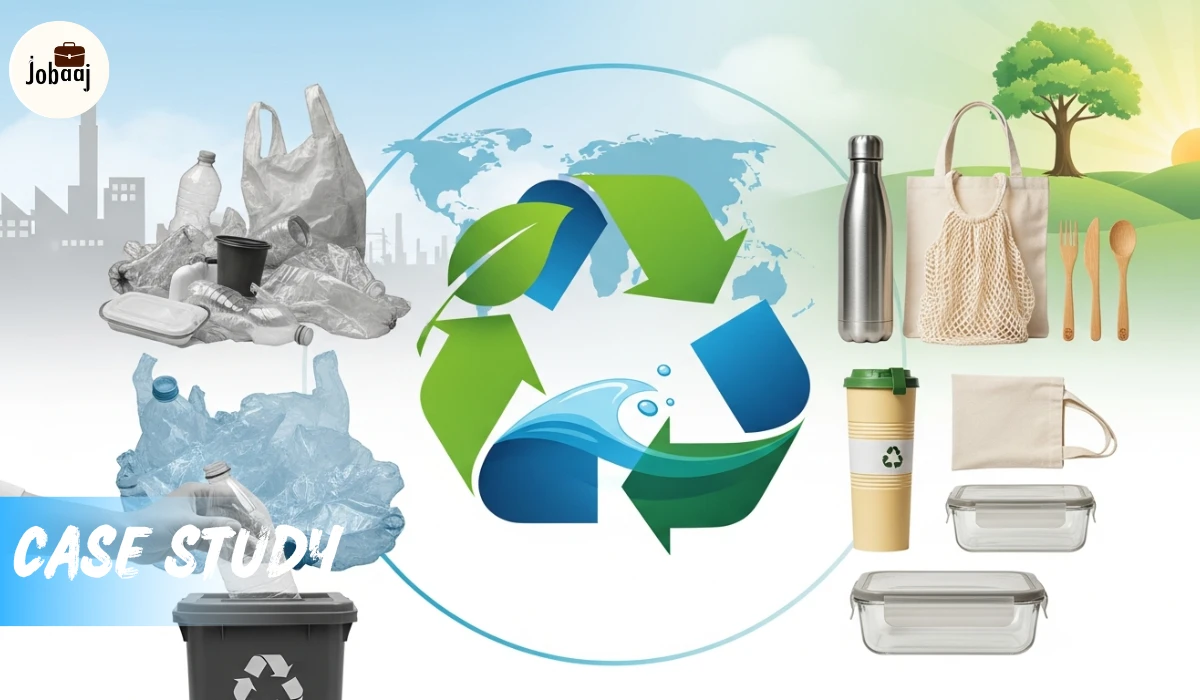
Plastic pollution has become one of the most pressing environmental problems of our time. From oceans clogged with floating debris to landfills overflowing with single-use plastics, the consequences of plastic waste are felt around the world. Governments, businesses, and communities are now realizing that traditional waste management systems are no longer sufficient. Simply recycling more or dumping less isn’t enough there needs to be a systemic shift toward preventing waste in the first place.
This is where zero-waste initiatives come in. Zero-waste is not just a slogan; it’s a comprehensive approach that aims to reduce, reuse, and ultimately eliminate waste by redesigning how products are made, used, and discarded. This case study examines how zero-waste initiatives are transforming plastic waste management not only by minimizing environmental harm but also by creating sustainable economic and social benefits.
We explore key programs, their challenges, the measurable results achieved, and the lessons that can be applied to future efforts around the world.
The Problem
For decades, plastic production has skyrocketed due to its durability, affordability, and versatility. However, the very properties that make plastic useful also make it harmful when mismanaged:
-
Plastic doesn’t biodegrade in any meaningful human timeframe. Instead, it breaks into microplastics that infiltrate soil, water, and living organisms.
-
Only a small fraction of plastic (around 9%) is ever recycled globally; much of it ends up in landfills or polluting natural ecosystems.
-
Marine ecosystems are particularly vulnerable. Studies estimate that by 2050, there may be more plastic than fish (by weight) in the oceans if current trends continue.
Traditional waste management systems are overwhelmed. Recycling alone cannot keep pace with the volume of plastic produced, and many recyclable plastics are never recycled due to contamination, lack of infrastructure, or economic feasibility.
The result is a cascading crisis impacting biodiversity, human health, food chains, and community wellbeing.
Zero-Waste Initiatives: What They Are and How They Work
Zero-waste initiatives aim to close the loop on plastic waste. Instead of viewing waste as an unavoidable byproduct, zero-waste systems prioritize stopping waste at the source and diverting materials back into the economy.
Key components of zero-waste approaches include:
1. Redesigning Products and Packaging
Companies redesign products to use fewer materials or switch to fully reusable, compostable, or recyclable packaging. For example, some brands now use packaging made from seaweed or plant-based materials.
2. Extended Producer Responsibility (EPR)
Under EPR policies, manufacturers take responsibility for the end-of-life disposal of their products. This encourages designs that are easier to recycle and reuse.
3. Community Collection and Sorting Systems
Local governments and volunteers set up robust collection systems to capture and sort waste more effectively, ensuring high-quality recycling and reuse.
4. Circular Economy Hubs
These hubs serve as centers for repairing, refurbishing, and repurposing materials before they become waste. They connect consumers, businesses, and recyclers in shared reuse networks.
5. Consumer Awareness and Behavior Change
Educational campaigns empower individuals to make better choices like refusing single-use plastics, choosing refillable products, and participating in community recycling efforts.
The Findings
A series of zero-waste initiatives around the world provide valuable insights into what makes these programs effective:
1.Community-Driven Programs Reduce Waste at the Source
In several cities, grassroots zero-waste movements have led to substantial reductions in plastic waste simply by making sustainable choices easier and more accessible:
-
San Francisco implemented zero-waste policies at scale and achieved a diversion rate of over 80%, where waste is prevented or reused rather than landfilled.
-
Ubud, Indonesia saw community plastic bans and refill programs cut plastic waste by more than half within two years.
These successes show that when communities are involved and empowered, behavior change follows.
2.Extended Producer Responsibility (EPR) Changes Industry Dynamics
Countries with strong EPR policies have seen companies redesign their products to reduce waste:
-
In Germany and Japan, manufacturers fund recycling systems and have redesigned packaging to reduce complexity, making materials easier to recycle.
-
Companies now compete to create more sustainable packaging because the costs of waste management come back to them.
This shifts the burden away from taxpayers and toward producers, who are in the best position to make material choices upstream.
3.Diversion Infrastructure Yields Tangible Results
Investing in sorting centers, local recycling hubs, and circular economy platforms directly leads to higher recycling and reuse rates. These investments create local jobs and reduce environmental contamination.
The Results
The impact of zero-waste strategies shows that real progress is possible:
| Result Area | Impact of Initiative |
| Reduction in Plastic Waste | Cities that adopted zero-waste goals saw waste generation drop by 20–60% within five years. |
| Recycling & Reuse Rates | Facilities capturing and sorting materials increased recycling streams by over 70% in some regions. |
| Economic Benefits | Community recycling hubs created local jobs and reduced costs associated with landfill management. |
| Environmental Improvements | Less plastic entering waterways and soil, leading to healthier ecosystems and reduced microplastic contamination. |
A zero-waste mindset doesn’t eliminate all plastic waste instantly, but it sets a measurable path toward significantly reducing it.
Challenges Faced
Despite clear benefits, zero-waste initiatives also encounter challenges:
-
Funding and infrastructure for recycling and reuse systems can be expensive to set up.
-
Consumer behavior doesn’t change overnight. It requires ongoing education and incentive systems.
-
Policy gaps exist in regions where governmental support for zero-waste is weak or inconsistent.
-
Global supply chains still rely heavily on single-use plastics, slowing adoption of alternatives.
However, these challenges are not insurmountable. Many successful cases addressed them through partnerships with governments, NGOs, and corporations working together.
Key Takeaways and Insights
From the case studies studied around the world, a few core lessons stand out:
-
Zero waste works when it becomes a community ethic, not just a policy.
-
Producer responsibility is essential manufacturers must be part of the solution.
-
Investment in infrastructure pays off in both environmental and economic terms.
-
Clear, relatable communication motivates change in consumer behavior.
-
Policy support accelerates progress when aligned with industry incentives.
Conclusion
Plastic waste is an issue that affects every corner of the globe, but zero-waste initiatives show that it doesn’t have to be an unsolvable problem. With strategic planning, shared responsibility, and sustained commitment, communities can significantly reduce plastic pollution while building healthier environments and stronger local economies.
As businesses, governments, and citizens continue to adopt zero-waste strategies, the world moves closer to a future where plastic waste is no longer a burden but a resource to be reused, reimagined, and reintegrated into circular economies.
FAQs
A zero-waste case study in plastic waste management examines how various initiatives, strategies, and technologies are implemented to reduce or eliminate plastic waste. It highlights the efforts of businesses, governments, and communities toward sustainable waste management practices.
Case studies on zero-waste initiatives help provide valuable insights into the challenges and successes of reducing plastic waste. By analyzing real-world examples, we can learn from past efforts and improve strategies for future waste reduction projects.
This case study highlights the importance of extended producer responsibility (EPR), where businesses take responsibility for the lifecycle of their products. Businesses can redesign products, adopt sustainable materials, and support recycling efforts to significantly reduce waste.
Zero-waste case studies show practical approaches to reducing plastic waste, such as redesigning packaging, improving recycling systems, and educating consumers. These efforts contribute to reducing plastic in landfills and oceans, ultimately helping solve the global plastic pollution crisis.
The key benefits of adopting zero-waste strategies include waste reduction, lower environmental impact, cost savings, job creation, and the development of sustainable, circular economies. These benefits are clearly demonstrated in the case study through successful initiatives that focus on redesigning and repurposing materials.
Yes, this case study shows how large cities, like San Francisco, have successfully implemented zero-waste initiatives. By involving the community, businesses, and local governments, large-scale waste reduction and recycling programs can significantly improve sustainability and waste management practices.