In today’s fast-paced world, industries across the globe are undergoing a digital transformation. One sector that is increasingly adopting digital technologies is the manufacturing industry, which has traditionally been resistant to change. However, in the face of increasing competition, changing customer expectations, and technological advancements, many traditional manufacturers are recognizing the importance of embracing digital solutions to stay competitive and efficient.
This case study explores how a consulting firm helped a traditional manufacturing company transition into the digital era. By implementing digital tools and automating processes, the company was able to improve its operational efficiency, enhance customer satisfaction, and prepare for future growth. Here, we’ll delve into the challenges, the strategies employed, and the results achieved through the digital transformation process.
Problem Statement
The manufacturing company, which had been in business for over 50 years, relied heavily on outdated systems and manual processes. These legacy systems led to several key issues, including:
- Inefficient production processes that resulted in delays, wastage, and increased operational costs.
- Limited real-time visibility into inventory, production, and supply chain management, leading to poor decision-making and resource allocation.
- Lack of automation in key operations, which required significant human labor and increased the risk of errors.
- Difficulty in adapting to changing market demands, as the company struggled to offer personalized solutions or respond quickly to market trends.
The company’s leadership recognized that in order to remain competitive in the evolving market, a comprehensive digital transformation strategy was necessary to streamline operations, enhance productivity, and improve customer satisfaction.
Analysis and Findings
To address these challenges, the consulting team conducted a thorough assessment of the company’s existing processes, systems, and workflows. The findings from this analysis revealed several opportunities for improvement:
- Outdated technology stack: The company’s reliance on legacy ERP and CRM systems made it difficult to access real-time data, which slowed down decision-making and resulted in inefficiencies.
- Manual and paper-based workflows: Many of the company’s processes, such as inventory management and order processing, were still carried out manually, leading to high error rates and slow turnaround times.
- Lack of integration between departments: Different departments (e.g., production, inventory, and sales) operated in silos, making it hard to synchronize efforts and share important information.
- Limited use of data: The company was not leveraging data to its full potential, missing out on opportunities for predictive analytics, demand forecasting, and performance optimization.
These findings highlighted the urgent need for a digital overhaul to bring the company into the 21st century and streamline its operations.
Solution
The consulting team developed a comprehensive digital transformation plan tailored to the company's unique needs. The solution was built around automation, data analytics, and integrating digital tools across various departments. Here are the key strategies implemented:
1. Implementing an Integrated Enterprise Resource Planning (ERP) System
A modern ERP system was introduced to replace the outdated legacy system. This new ERP platform integrated all the company’s functions, including:
- Production management: Automating scheduling, inventory tracking, and order fulfillment to reduce manual work and improve operational efficiency.
- Supply chain management: Real-time tracking of raw materials and finished goods, optimizing logistics, and improving vendor relationships.
- Customer relationship management (CRM): Streamlining sales processes, providing better customer service, and enabling personalized communication with clients.
This integration enabled the company to centralize data and gain real-time visibility across all departments, helping to improve decision-making and resource allocation.
2. Automating Manufacturing Processes with IoT and Smart Sensors
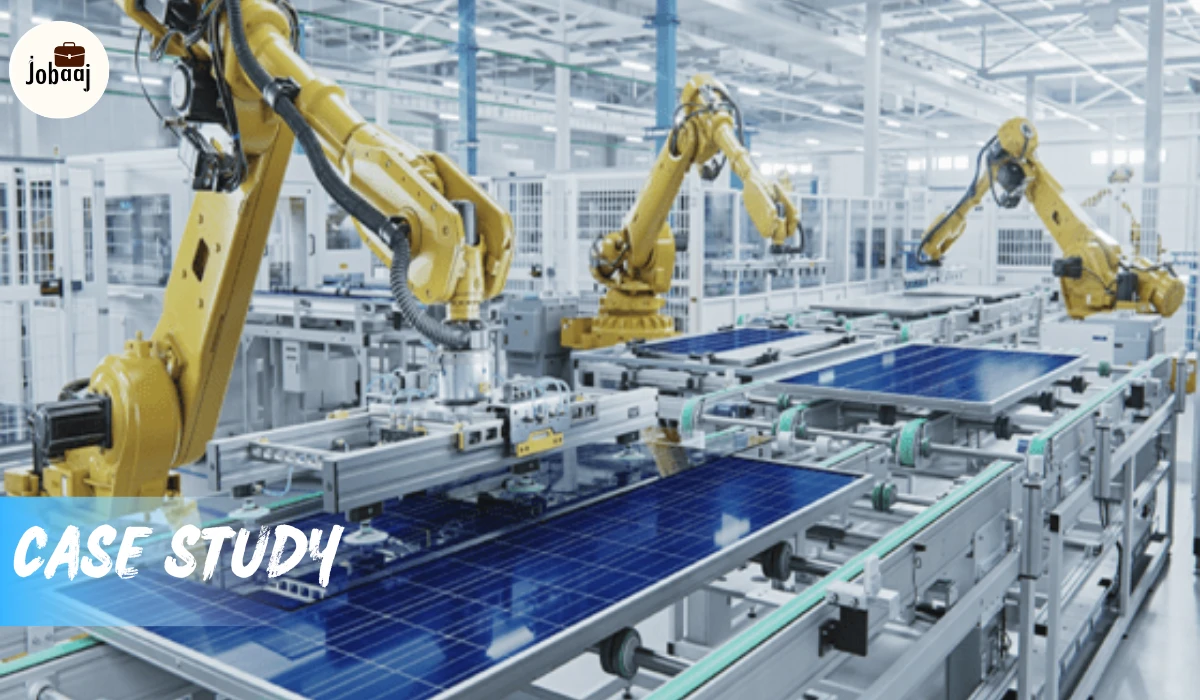
To improve production efficiency, Internet of Things (IoT) sensors were installed throughout the factory floor. These sensors monitored equipment performance, tracked production quality, and provided real-time data on machine conditions. The benefits included:
- Predictive maintenance: Sensors detected signs of potential machine failure before they occurred, reducing downtime and repair costs.
- Improved product quality: Continuous monitoring helped ensure that the manufacturing process remained consistent, minimizing defects and wastage.
- Energy efficiency: IoT data allowed the company to optimize energy use in the manufacturing process, resulting in cost savings and a reduction in environmental impact.
3. Data Analytics for Decision-Making
The consulting team helped the company leverage data analytics to drive better business decisions. By collecting data from multiple sources production, sales, customer feedback, and inventory the company could:
- Forecast demand: Using predictive analytics, the company was able to forecast customer demand more accurately, allowing for better inventory planning and reduced stockouts.
- Optimize supply chain: Data analysis highlighted inefficiencies in the supply chain, leading to improved vendor negotiations, reduced lead times, and cost savings.
- Track key performance indicators (KPIs): Real-time dashboards and reports enabled managers to monitor key metrics, such as production output, quality rates, and customer satisfaction.
4. Enhancing Customer Experience through Digital Platforms
To meet customer expectations for speed and personalization, the company implemented an e-commerce platform and a customer portal. This digital solution allowed customers to:
- Place orders online: Customers could view product catalogs, check availability, and place orders directly from the website.
- Track order status: The portal provided real-time updates on the status of orders, shipments, and deliveries.
- Provide feedback: The company collected customer feedback through surveys and ratings, enabling continuous improvement in product offerings and customer service.
This digital transformation not only improved the customer experience but also enhanced customer retention and boosted sales.
Results and Impact
The digital transformation resulted in several positive outcomes for the company:
- Increased operational efficiency: The new ERP system and automation initiatives led to a 30% reduction in production downtime, improved inventory turnover, and faster order fulfillment.
- Cost savings: The implementation of IoT sensors and predictive maintenance strategies reduced maintenance costs by 15% annually and improved energy efficiency, saving the company $500,000 in energy costs each year.
- Improved customer satisfaction: With faster order processing and better communication via the customer portal, customer satisfaction scores increased by 20% within six months.
- Data-driven decision-making: By leveraging data analytics, the company improved demand forecasting accuracy by 25%, leading to better resource planning and reduced waste.
The digital transformation positioned the company for long-term growth and success by improving efficiency, reducing costs, and enhancing the customer experience.
Conclusion
Digital transformation is no longer optional for businesses that want to stay competitive in today’s fast-paced world. Through the strategic use of technology, data analytics, and automation, companies can improve operational efficiency, reduce costs, and deliver a better customer experience. This case study illustrates how a traditional manufacturing company, with the help of consulting services, successfully navigated the challenges of digital transformation to achieve significant business results.
FAQs
Digital transformation in manufacturing refers to integrating digital technologies like IoT, ERP systems, and data analytics to streamline operations, improve efficiency, and enhance customer experiences. This transformation involves automating processes, improving data accessibility, and leveraging new technologies to drive business growth.
IoT improves manufacturing operations by providing real-time data on machine performance, inventory, and production quality. This enables predictive maintenance, energy efficiency, and real-time decision-making, ultimately leading to cost savings, improved product quality, and reduced downtime.
Data analytics in manufacturing allows companies to make data-driven decisions by analyzing key metrics like production rates, inventory levels, and customer demand. This helps improve operational efficiency, optimize supply chain management, and predict future trends, leading to better planning and resource utilization.
Enterprise Resource Planning (ERP) systems play a crucial role in digital transformation by integrating all business processes into a single system. ERP improves data accuracy, streamlines operations, and enhances decision-making by providing real-time insights into inventory, production, and financials.
A consultant helps identify inefficiencies in current operations, recommend digital solutions, and manage the implementation of new technologies. They guide the company through the entire transformation process, ensuring smooth integration of digital tools and optimizing performance across all departments.