
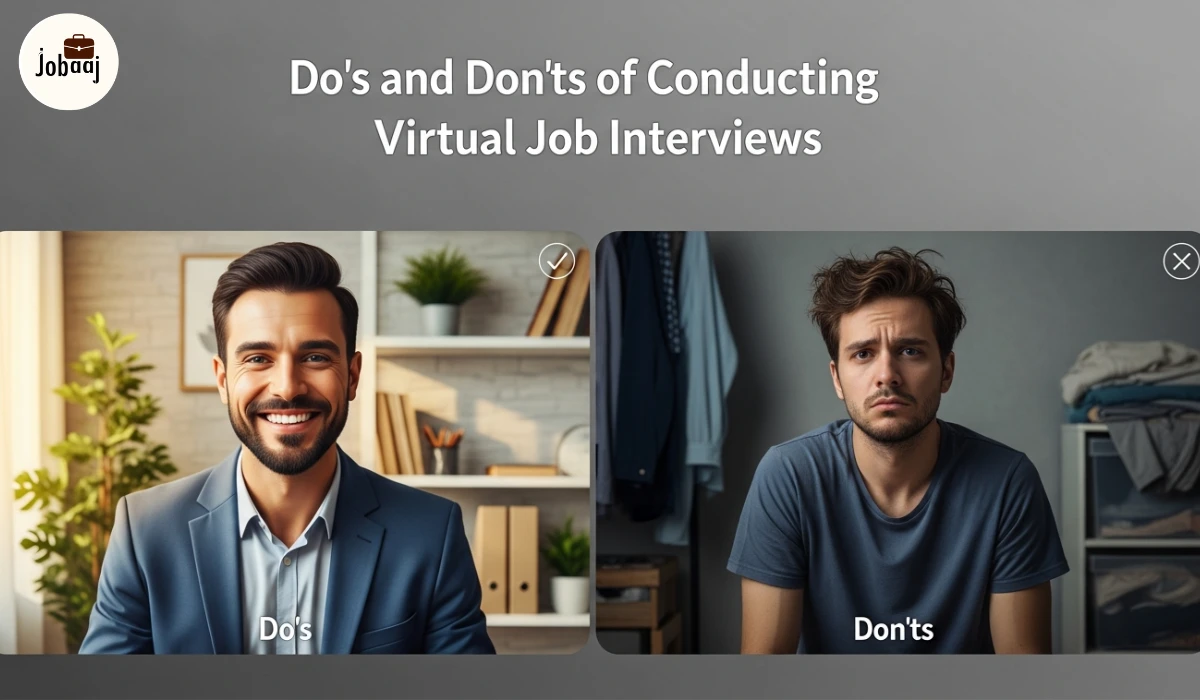
In the era of remote work, virtual job interviews have become an essential part of the hiring process. Whether you’re interviewing candidates from across the globe or simply saving time and resources, conducting effective virtual interviews is a skill that every recruiter must master. But how do you ensure your virtual interview process is smooth, professional, and engaging?
In this article, we’ll cover the do's and don'ts of conducting virtual job interviews, offering best practices to ensure both you and the candidate have a successful and productive interaction. We’ll also dive into the importance of virtual interviews, how they differ from in-person interviews, and tips for making your interview process more effective.
What is a Virtual Interview?
A virtual interview is a recruitment interview conducted remotely using video conferencing tools like Zoom, Google Meet, or Microsoft Teams. These interviews are a digital alternative to traditional face-to-face interviews and are used to evaluate candidates in real-time.
With the rise of remote work, virtual interviews have become an essential part of the hiring process. They allow companies to interview candidates from different geographic locations without the need for travel, making them both cost-effective and time-efficient.
Why Virtual Interviews Matter in 2026
Virtual interviews have proven to be not just convenient, but also time-efficient and cost-effective solutions. Here’s why they matter more than ever in 2026:
-
Global Talent Pool: Companies are no longer limited to hiring local talent. Virtual interviews allow businesses to tap into a global talent pool, providing access to a more diverse set of candidates.
-
Convenience for Candidates and Interviewers: Candidates and interviewers can attend the interview from anywhere, reducing the stress of commuting and making the hiring process more flexible.
-
Sustainability: With the rise of digital-first companies, virtual interviews have become an environmentally friendly option by eliminating the need for travel.
-
Cost Efficiency: Virtual interviews save money on travel, accommodation, and venue rental, making them ideal for companies with a limited recruitment budget.
The Do’s of Conducting Virtual Job Interviews
1. Do Test Your Technology Ahead of Time
Before the interview starts, test your video conferencing platform, ensure your microphone and camera work properly, and verify your internet connection.
Always do a dry run with a colleague to make sure everything is functioning well before the candidate logs in.
2. Do Set Up a Professional Environment
Ensure that your environment is quiet, well-lit, and free from distractions. A cluttered background or external noises can disrupt the flow of the interview and give an unprofessional impression.
Use a neutral background and ensure you are well-lit from the front.
3. Do Prepare Your Questions in Advance
Preparation is key to a successful interview. Draft your questions in advance, ensuring they cover technical skills, problem-solving ability, and cultural fit.
Create a structured interview agenda to keep the interview on track.
4. Do Engage in Small Talk at the Start
Start with a brief introduction and some light small talk to make the candidate feel at ease. This helps establish a connection and reduces initial nervousness.
Ask casual questions like, “How has your day been?” or “Where are you joining us from today?”
5. Do Make Eye Contact
Eye contact is crucial to establishing trust. During a virtual interview, try to look directly at the camera when speaking to create the illusion of eye contact.
Place the video window at eye level so that you can maintain natural eye contact.
6. Do Give the Candidate Time to Respond
Sometimes, there can be a slight delay in virtual communication. Allow the candidate a few seconds to respond after asking a question.
Wait for the candidate to finish speaking before you begin your next question.
7. Do Provide Clear Instructions for the Interview Process
Explain how the interview will proceed, what tools or resources the candidate may need, and how much time you have for the interview.
Outline the steps of the interview clearly at the start to manage expectations.
8. Do Follow Up After the Interview
Always follow up with the candidate after the interview, whether they’re moving forward or not. Provide them with constructive feedback if appropriate.
Send a polite and professional email thanking them for their time and outlining the next steps.
The Don’ts of Conducting Virtual Job Interviews
1. Don’t Forget to Plan for Potential Disruptions
Distractions or technical glitches are common in virtual settings. Make sure you are in a quiet location, and inform the candidate about any possible interruptions.
Have a backup plan in case of connection issues, such as switching to a phone call or rescheduling the interview.
2. Don’t Interrupt the Candidate
Interrupting the candidate not only disrupts the flow of conversation but may also make them feel uncomfortable. Be patient and allow them to finish their thoughts.
Let the candidate speak fully before responding or jumping to your next question.
3. Don’t Overlook the Candidate’s Comfort
Virtual interviews can sometimes feel distant. It’s important to create a comfortable environment where the candidate feels they can express themselves.
Ensure your tone is warm and welcoming to make the candidate feel comfortable, even remotely.
4. Don’t Focus Too Much on Technology
While technology is essential, it shouldn’t be the primary focus of the interview. Pay attention to the candidate’s qualifications, experience, and communication skills rather than worrying about the tech setup.
Limit your focus on the tools and prioritize the candidate’s skills and responses.
5. Don’t Rush the Candidate’s Answers
Give the candidate ample time to answer your questions. Rushing through the interview can make the candidate feel pressured and affect the quality of their answers.
Allow pauses after questions, and give candidates time to gather their thoughts.
6. Don’t Skip the Tech Check with Candidates
Never assume candidates are fully familiar with the technology. Provide them with instructions on how to use the platform and make sure they have a clear understanding.
Send them a link to the virtual meeting ahead of time and provide brief instructions on how to join.
7. Don’t Be Casual About Your Appearance
Just because the interview is virtual doesn’t mean you can skip the professional dress code. Dress as you would for an in-person interview.
Even though you’re not physically meeting, maintain a professional appearance to convey respect for the candidate and the interview process.
8. Don’t Forget to Be Attentive and Engaged
Even in a virtual setting, your attention matters. Don’t get distracted by emails, phone calls, or other distractions during the interview.
Mute your phone and close unnecessary apps or windows to focus on the interview.
Conclusion
Virtual job interviews are an essential part of modern recruitment. By following these do’s and don’ts, you can ensure a smooth and professional interview process that leaves a positive impression on your candidates. The key to successful virtual interviews lies in preparation, engagement, and creating an environment that allows both you and the candidate to focus on what matters: finding the right fit for the job.
By focusing on these principles, you’ll not only hire the best candidates but also create an interview experience that stands out in the digital landscape.
FAQs
Popular platforms for virtual interviews include Zoom, Google Meet, and Microsoft Teams. Choose a platform that’s reliable and accessible for both you and the candidate.
Ensure your technology is set up properly, minimize distractions, and engage with the candidate to create a welcoming environment. Start with a few minutes of small talk to break the ice.
If any issues arise, calmly explain the situation to the candidate. Try to resolve it quickly, and offer a backup plan, such as switching platforms or rescheduling if necessary.
Prepare by testing your technology, researching the candidate’s resume, and setting up a quiet, professional interview environment. Have a structured plan for the interview and ensure you are ready to engage with the candidate.
Maintain eye contact, actively listen, and avoid multitasking. Encourage candidates to speak freely and be sure to create a welcoming environment with clear communication.
Professionalism is just as important in virtual interviews as in-person ones. Dress appropriately, ensure your background is neat, and maintain a professional demeanor throughout the interview.