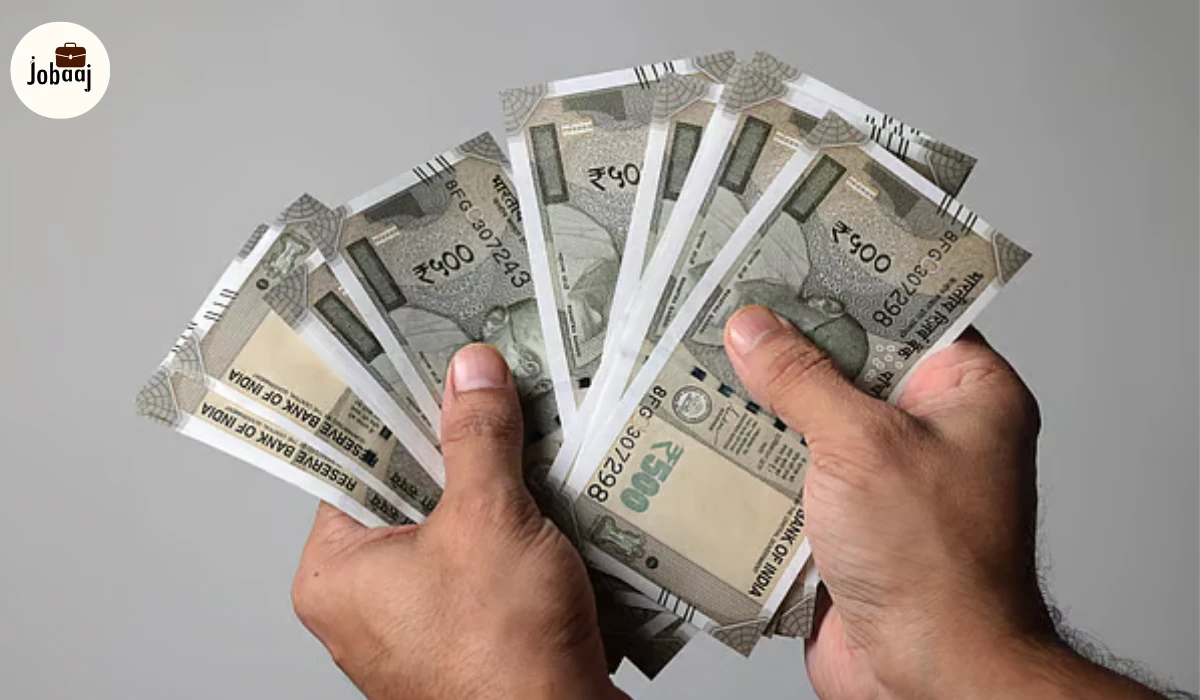
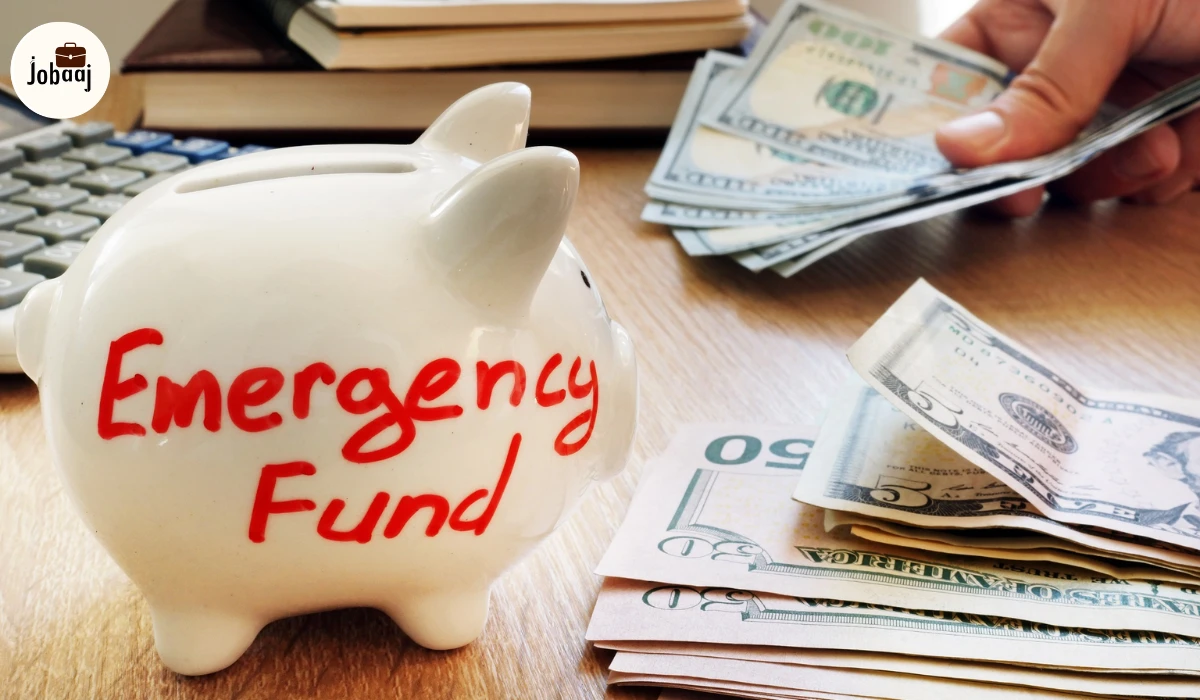
Imagine losing your job suddenly, facing an unexpected medical expense, or dealing with a major repair at home.
The problem is not only the expense itself. The real challenge is whether you have enough money available to handle the situation without depending on loans, credit cards, or borrowing from others.
This is where an emergency fund becomes important.
An emergency fund is one of the strongest foundations of personal finance. Before investing aggressively, buying assets, or focusing on wealth creation, having money set aside for unexpected situations provides financial stability and peace of mind.
Many people ask:
“How much money should I actually keep as an emergency fund?”
The answer depends on your income, lifestyle, responsibilities, and financial commitments. A student, a salaried employee, and a business owner will all need different amounts.
This guide explains what an emergency fund is, how much you should save, where to keep it, and how to build one step by step.
What Is an Emergency Fund?
An emergency fund is money kept separately to handle unexpected financial situations.
It is not meant for:
- Shopping
- Vacations
- Luxury purchases
- Regular monthly expenses
Its purpose is to protect you when something unexpected happens.
Common situations where an emergency fund can help include:
- Sudden job loss
- Medical emergencies
- Family emergencies
- Urgent repairs
- Unexpected financial responsibilities
Think of it as a financial safety net that protects your normal lifestyle when life does not go according to plan.
Why Is an Emergency Fund Important?
Many people focus on earning more money, but financial security also depends on how well you handle difficult situations.
An emergency fund provides three major benefits.
It Prevents Debt During Emergencies
Without savings, people often rely on:
- Credit cards
- Personal loans
- Borrowing money
These options can create additional financial pressure because emergencies are already stressful.
Having money available allows you to manage situations without taking expensive debt.
It Gives Financial Confidence
Knowing that you have money saved for unexpected situations reduces financial anxiety.
You can make better decisions about:
- Career changes
- Investments
- Major life decisions
because you are not completely dependent on your next paycheck.
It Protects Your Investments
Without an emergency fund, people often sell investments during difficult times.
For example, someone may be forced to withdraw from mutual funds or sell stocks during a market downturn because they need cash.
An emergency fund prevents unnecessary withdrawals and allows long-term investments to continue growing.
How Much Emergency Fund Should You Keep?
A common recommendation is:
3 to 6 Months of Expenses
This means your emergency fund should cover your essential monthly expenses for at least three to six months.
The calculation is based on expenses, not income.
For example:
Your monthly essential expenses:
- Rent: 15,000
- Food: 8,000
- Bills: 5,000
- Transportation: 2,000
Total monthly expenses:
30,000
Your emergency fund target:
Minimum:
90,000 (3 months)
Comfortable:
1,80,000 (6 months)
Emergency Fund Based on Different Situations
There is no universal number because everyone's financial responsibilities are different.
For Students
Students may not have major income responsibilities, but having some savings is still useful.
A small emergency fund can help with:
- Medical expenses
- Travel emergencies
- Educational needs
A starting target could be:
10,000– 50,000 depending on your situation.
For Salaried Employees
People with stable jobs can usually aim for:
3–6 months of expenses
For example:
Monthly expenses:
50,000
Emergency fund:
1.5 lakh– 3 lakh
For Freelancers and Business Owners
People with irregular income generally need a larger safety net.
A suitable target may be:
6–12 months of expenses
because income may not be consistent every month.
Where Should You Keep Your Emergency Fund?
An emergency fund should be safe and easily accessible.
The goal is not maximum returns. The goal is availability when needed.
Good options include:
Savings Account
A savings account provides:
- Easy access
- High liquidity
- Safety
However, keeping all emergency money here may not provide much growth.
Fixed Deposits
Short-term fixed deposits can be useful because they provide:
- Better returns than savings accounts
- Safety
- Easy withdrawal options
Liquid Mutual Funds
Some people use liquid funds for emergency savings because they offer better returns while maintaining relatively easy access.
However, investors should understand the risks and suitability before choosing any investment product.
How to Build an Emergency Fund Step by Step
Building an emergency fund does not happen overnight. It is created through consistent habits.
Start With a Small Target
Do not wait until you can save six months of expenses.
Start with smaller milestones:
First goal:
10,000
Then:
50,000
Then:
3 months of expenses
Small achievements make the process easier.
Automate Your Savings
The easiest way to build an emergency fund is to save automatically.
For example:
Salary received:
↓
Automatically transfer 5,000 into emergency savings
↓
Use the remaining money for expenses
This makes saving consistent.
Reduce Unnecessary Expenses Temporarily
During the building phase, review expenses such as:
- Unused subscriptions
- Frequent online shopping
- Unplanned spending
The goal is not permanent restriction. It is creating financial protection.
Emergency Fund vs Investments: What Should Come First?
Many beginners are confused between saving and investing.
The ideal order is usually:
Step 1:
Create a basic emergency fund
Step 2:
Clear high-interest debt
Step 3:
Start long-term investing
Investments help grow wealth, but an emergency fund protects your financial stability today.
Both have different purposes.
Common Emergency Fund Mistakes
Keeping Too Little Money
Some people save only one month's expenses, which may not be enough during a long emergency.
Investing Emergency Money in Risky Assets
Emergency funds should not be kept in highly volatile investments because you may need the money during a difficult market period.
Using Emergency Savings for Lifestyle Expenses
An emergency fund should only be used for genuine emergencies.
Using it for shopping or vacations defeats its purpose.
Not Rebuilding After Using It
If you use your emergency fund, rebuilding it should become your next financial priority.
How Emergency Funds Help During Real-Life Situations
Example 1: Job Loss
Suppose someone loses their job and has monthly expenses of 40,000.
Without savings:
They may immediately need loans or financial support.
With a six-month emergency fund:
They have time to search for a better opportunity without panic.
Example 2: Medical Emergency
Medical expenses can arrive unexpectedly.
An emergency fund provides immediate financial support without disturbing long-term investments.
Emergency Fund and Financial Independence
An emergency fund is the first step towards financial independence.
Before building wealth, you need stability.
Financial independence is not only about earning more. It is also about having enough control over your money that unexpected events do not completely disrupt your life.
A strong financial foundation usually follows this order:
Emergency Fund → Debt Management → Investments → Wealth Creation
Final Thoughts
An emergency fund may not look exciting compared to investing in stocks, buying assets, or chasing higher returns.
But it is one of the most important financial decisions you can make.
The right emergency fund amount depends on your personal situation, but keeping around 3–6 months of essential expenses is a good starting point for many people.
Financial problems often become stressful because they arrive unexpectedly. An emergency fund gives you the ability to handle those moments with confidence.
Building financial security does not start with making more money.
It starts with protecting the money you already have.
FAQs
Most people should keep around 3–6 months of essential expenses. The exact amount depends on income stability, responsibilities, and financial goals.
Emergency money should prioritise safety and liquidity over high returns. It should be kept in options where you can access it quickly.
It depends on your monthly expenses. For someone spending ₹20,000 per month, ₹1 lakh may provide around five months of coverage.
Yes, creating a basic emergency fund before investing heavily helps protect you from unexpected expenses.
No. Emergency funds should be reserved for genuine unexpected situations such as medical issues, job loss, or urgent financial needs.