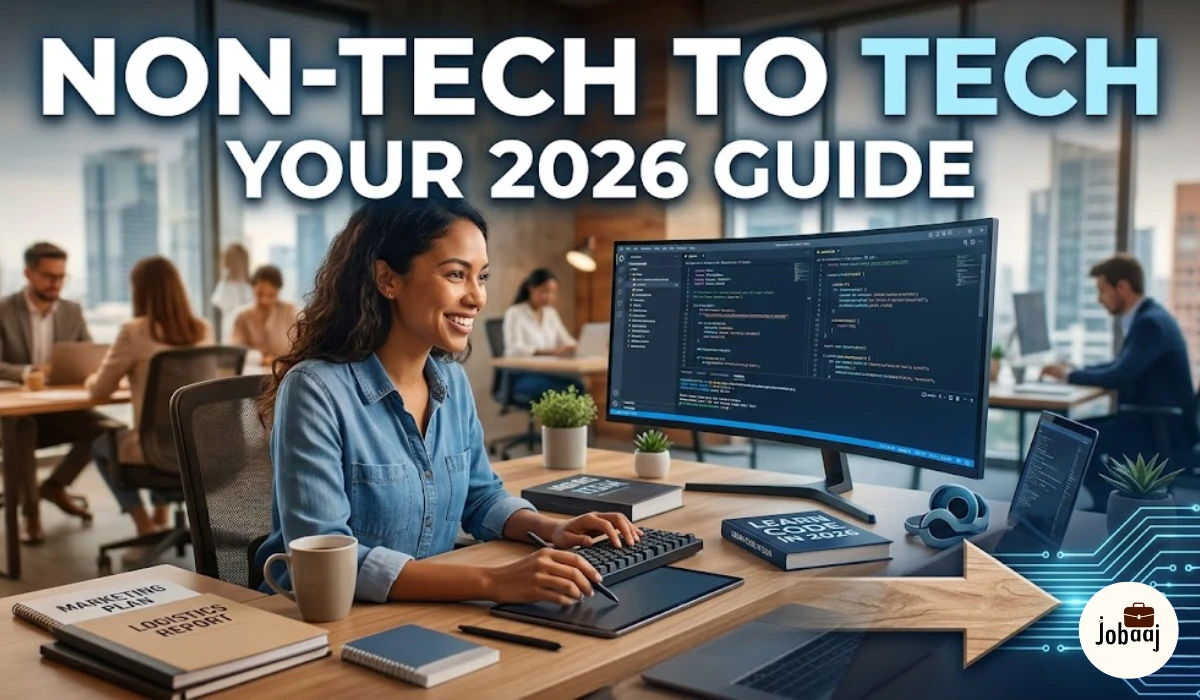
The tech industry has grown exponentially over the last decade, and its impact on almost every other industry makes it an attractive career path for anyone looking to make a career change. Whether you’re in finance, marketing, education, or another non-tech field, the good news is that transitioning from a non-tech job to a tech career is not only possible but is also increasingly common.
In 2026, with the rise of remote work, online learning platforms, and evolving tech ecosystems, there’s never been a better time to pivot into a tech career. This guide will walk you through everything you need to know about transitioning into tech, from understanding the skills you need to choosing the right tech job and gaining the necessary experience.
Why Transition from Non-Tech to Tech in 2026?
Before we dive into the steps, let’s first look at why transitioning to a tech career is such a great decision:
-
High Demand for Tech Jobs: The demand for tech professionals continues to outpace supply, with roles in data science, software development, cybersecurity, and AI seeing immense growth in 2026. Companies are hiring for tech roles across industries, and this is not expected to slow down anytime soon.
-
Lucrative Salaries: Tech jobs tend to offer higher salaries compared to many other industries. Whether you’re starting fresh or have some experience, the compensation in tech is often competitive, making it a financially rewarding career shift.
-
Career Flexibility: Tech skills open doors to a wide range of job roles in various industries, from finance and healthcare to entertainment and manufacturing. Additionally, many tech roles offer remote work options, increasing your career flexibility and work-life balance.
-
Future-Proof Your Career: As technology continues to shape the world, having a tech career makes you adaptable to future changes in the job market. By acquiring skills in data science, software development, or AI, you position yourself for long-term success.
Step 1: Understand Your Transferable Skills
One of the best parts about transitioning from a non-tech job to a tech job is that you likely already have transferable skills that can help you succeed in tech roles. Even if you don’t have technical experience, your background in other fields can offer a solid foundation.
Core Transferable Skills:
-
Problem-Solving: If you’ve solved problems in your previous job, this skill is highly valued in tech roles. Whether it’s debugging code, improving systems, or creating efficient processes, problem-solving is at the core of tech jobs.
-
Communication: Tech companies need professionals who can explain complex ideas clearly to both technical and non-technical people. If you’ve had experience explaining concepts to clients or managing teams, this is an essential skill for tech roles.
-
Project Management: Experience in managing projects, meeting deadlines, and collaborating with teams is critical. Many tech jobs require the ability to manage tasks efficiently.
-
Creativity: Whether you’re designing a website, developing a new feature, or coming up with marketing strategies, creativity is a key asset in tech roles, especially in web development, UX/UI design, and digital marketing.
Recognizing and highlighting these transferable skills will help you create a smooth transition into tech.
Step 2: Choose the Right Tech Role for You
Tech is a vast industry with numerous job roles, and it’s important to choose a role that aligns with your skills, interests, and future goals. Here are some of the most popular roles that people often transition into from non-tech backgrounds:
Popular Tech Roles for Non-Tech Professionals:
-
Software Developer / Web Developer: If you enjoy problem-solving and logic, this could be a great fit. You’ll need to learn programming languages like JavaScript, Python, or Ruby. Websites like freeCodeCamp and Codecademy offer free resources to get started.
-
Data Analyst / Data Scientist: Data-driven roles are in high demand. If you’ve worked with data before in your previous job (e.g., spreadsheets, analysis), you may already be familiar with some of the concepts. Learning SQL, Excel, and programming in Python or R will be crucial for these roles.
-
Cybersecurity Analyst: With increasing digital threats, cybersecurity professionals are highly sought after. If you have a background in IT or even an understanding of risk management, transitioning into cybersecurity can be a natural fit. Free courses in network security, ethical hacking, and penetration testing can help you get started.
-
Product Manager: If you’ve worked in a managerial or strategic role, product management could be a good transition. You’ll need to learn how to manage product development cycles, communicate between teams, and prioritize features for the product roadmap.
-
UX/UI Designer: If you have a creative background, UX/UI design could be a great fit. You'll need to learn tools like Sketch, Figma, and Adobe XD to create user-friendly and aesthetically pleasing designs for websites or apps.
-
Cloud Engineer: With the rise of cloud computing, this role is crucial for managing cloud infrastructure. Learn about cloud services like AWS, Google Cloud, or Microsoft Azure to transition into this field.
-
Digital Marketing with AI: If you come from a marketing or communications background, this is a natural transition. Learn how AI-driven marketing tools work, and understand analytics, SEO, and machine learning algorithms.
Step 3: Upskill and Take Relevant Courses
The key to making a successful transition into tech is gaining the right knowledge and skills. While you may already possess transferable skills, tech roles often require specific technical knowledge. Here’s how to get started:
Platforms to Learn Tech Skills:
-
Coursera: Offers a wide range of courses from top universities. You can learn software development, data science, AI, and more.
-
edX: Provides professional certificates and programs from universities such as MIT and Harvard, ideal for those looking to dive deeper into technical fields.
-
Udemy: Great for affordable, specific courses on web development, AI, cybersecurity, and more.
-
LinkedIn Learning: Offers a wide variety of tech courses, especially for those looking to upskill in areas like cloud computing, web development, and UX design.
-
freeCodeCamp: A completely free resource to learn web development and data science.
By completing certifications and building a portfolio of practical projects, you’ll significantly increase your chances of landing a tech job.
Step 4: Start Building a Portfolio and Gain Experience
A strong portfolio is crucial to landing a tech job. Here’s how you can start building one:
-
Work on Personal Projects: Even if they’re small, create projects that demonstrate your new skills. If you’re learning web development, build a simple website. If you’re studying data analysis, try analyzing a dataset and presenting your findings.
-
Contribute to Open-Source Projects: Contributing to open-source projects is a great way to gain experience, collaborate with other developers, and add to your portfolio. GitHub is an excellent place to start finding open-source projects.
-
Freelance: Platforms like Upwork and Fiverr allow you to get real-world experience by working on short-term projects. This is especially helpful if you’re transitioning into web development, UX/UI design, or digital marketing.
Step 5: Network with Industry Professionals
Networking plays a crucial role in landing a job in tech. Here’s how you can build connections:
-
LinkedIn: Optimize your LinkedIn profile and connect with professionals in the tech field. Share your projects and learning milestones to show your commitment.
-
Meetups and Conferences: Attend online or in-person events to meet like-minded people, gain knowledge, and find potential job opportunities.
-
Tech Communities: Join online communities like Stack Overflow, GitHub, and tech-specific subreddits to learn, ask questions, and connect with professionals.
Step 6: Prepare for Tech Job Interviews
Tech interviews can be challenging, but with the right preparation, you can excel. Here’s how to prepare:
-
Technical Knowledge: Make sure you understand core concepts related to the role you’re applying for (e.g., programming languages, databases, algorithms).
-
Project Experience: Be prepared to discuss your portfolio and past projects in detail. Explain your thought process, problem-solving skills, and how you overcame challenges.
-
Mock Interviews: Practice mock interviews to get used to the technical and behavioral questions. Platforms like Pramp and Interviewing.io offer free mock interview services.
Conclusion
Transitioning from a non-tech job to a tech role in 2026 is more than just a career change it’s an opportunity to be part of an industry that is reshaping the future. With dedication, the right skills, and the right approach, you can successfully make this transition and land your dream tech job.
Remember, the journey from a non-tech career to a tech job takes time, but with persistence, a solid plan, and continuous learning, you'll soon be part of the exciting world of technology.
FAQs
Start by identifying transferable skills, learning key technical skills like programming or data analysis, and building a portfolio. Take relevant online courses, contribute to open-source projects, and gain hands-on experience through internships or freelancing.
Focus on skills like programming languages (e.g., Python, JavaScript), web development (e.g., MERN stack), machine learning, data science, cloud computing, and cybersecurity. Choose a tech role that aligns with your interests and previous experience.
The time it takes depends on the role you're aiming for and your prior experience. It can take anywhere from 3 to 12 months to build the necessary skills and gain practical experience, especially if you’re transitioning full-time into tech.
No, many tech jobs don’t require a formal degree. What matters most is your practical skills, portfolio, and experience. You can gain the necessary expertise through online courses, bootcamps, and self-study.
Prepare by reviewing technical concepts related to the job, practicing coding problems, and being ready to discuss your projects. Mock interviews and studying common interview questions will help you perform confidently.