
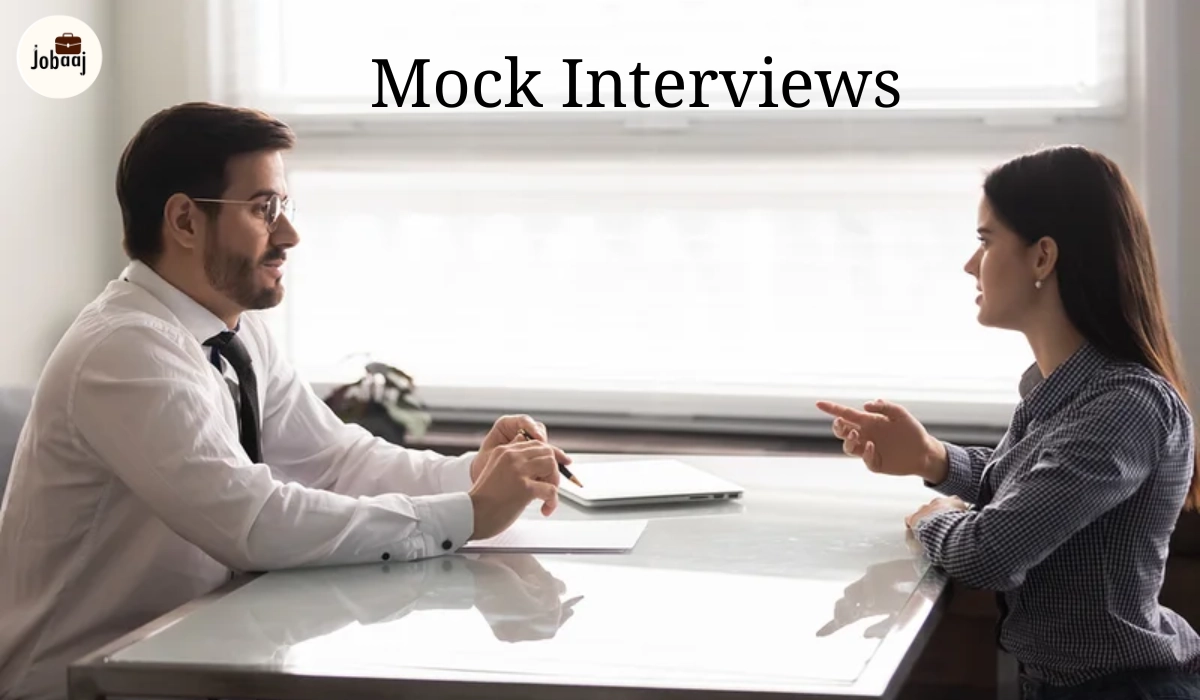
We've all been there. The nerves, the excitement, the pressure to perform perfectly. Whether it’s your dream job or an exciting new opportunity, the interview day can feel like a huge deal. But here’s a little secret: the key to acing that interview isn’t just about your qualifications or how well you answer questions. It's about how well you prepare for it.
That’s where mock interviews come in. If you're thinking, "Isn’t that just for beginners?" — think again. Practicing with mock interviews is for anyone who wants to shine on their big day. Here's why you should add mock interviews to your preparation checklist.
1. Build Confidence and Calm Your Nerves
Interviews can be nerve-wracking, especially if it's a role you really want. The fear of saying the wrong thing or not knowing how to answer a tricky question can be overwhelming. A mock interview helps you practice those responses in a relaxed, no-pressure environment. This allows you to face tough questions and fine-tune your answers so that, on the actual day, you’ll feel more confident and calm.
When you’ve already practiced explaining your background, experience, and goals, answering similar questions in the real interview feels almost second nature.
2. Get Comfortable with the Interview Format
Not all interviews are the same. You might face behavioral questions, situational questions, or a combination of technical and soft-skill assessments. Mock interviews give you the chance to practice handling different formats, such as phone interviews, video interviews, and in-person meetings.
Familiarizing yourself with the format helps you manage your expectations and figure out how to present yourself in the best light. And if you're unsure about virtual interviews, practicing with a friend or mentor can also help you get comfortable with the technology.
3. Improve Your Answering Skills
A big part of interviews is how you communicate. Sometimes, it’s not about what you say but how you say it. Do you come across as confident? Are you clear and concise with your answers? Are you avoiding filler words like “uh” or “um”? Mock interviews give you the space to polish your speaking skills, ensuring you sound confident and articulate, even when you're under pressure.
And let’s be honest—no one wants to ramble on without getting to the point. Mock interviews help you develop the ability to give focused, structured answers that leave a lasting impression.
4. Get Feedback from a Trusted Source
One of the greatest benefits of mock interviews is the feedback you receive afterward. Whether you conduct them with a friend, mentor, or career coach, you get honest and constructive feedback. This helps you understand what you did well and where you can improve.
Maybe you didn't emphasize your accomplishments enough. Or perhaps your responses lacked specific examples. Feedback helps you identify these gaps and gives you a chance to correct them before your actual interview.
5. Sharpen Your Job-Specific Knowledge
Every role comes with its own set of challenges and expectations. By conducting mock interviews that simulate the specific job you're applying for, you can improve your understanding of the type of questions you'll be asked. For example, if you’re applying for a data analyst position, you might practice answering questions about data visualization tools or handling large datasets.
By honing your knowledge and practicing the technical aspects of the job, you ensure you're not caught off guard by tough, role-specific questions.
6. Practice Body Language and Presentation
You might have great answers, but how you present yourself matters too. Interviewers often make judgments based on your body language. Are you making eye contact? Sitting up straight? Smiling? A mock interview lets you practice these non-verbal cues, which can significantly impact the way you're perceived.
Also, practicing in front of a mirror or with a friend can help you refine how you come across. Little tweaks like how you gesture or sit can make a big difference in your overall presentation.
7. Refine Your Questions for the Interviewer
It’s not all about answering questions. At the end of most interviews, you’ll get the chance to ask questions. This part is often just as important as your answers because it shows you're engaged and interested in the role. But it’s easy to freeze up and forget what you wanted to ask.
Mock interviews give you a chance to practice asking insightful questions about the role, the company culture, or team dynamics. Preparing these questions in advance can help you feel more in control during the actual interview.
8. Simulate the Pressure of a Real Interview
The more you practice, the more comfortable you’ll become with the interview pressure. Mock interviews allow you to simulate the intensity of a real interview—without the high stakes. The more times you go through this process, the better you’ll be able to manage your nerves when it counts.
You’ll get used to the rhythm of answering questions and waiting for the next one. You'll get comfortable with the flow and even start anticipating certain questions.
How to Set Up a Mock Interview
Mock interviews can be done in a variety of ways. Here’s how you can set one up:
-
Find a Partner: Reach out to someone you trust—this could be a mentor, a friend, or even a professional coach.
-
Prepare: Research the common questions for your role, and also ask your mock interviewer to ask questions specific to your job field.
-
Simulate Real Conditions: If your interview is virtual, practice using video conferencing tools. If it’s in-person, choose a quiet, professional environment.
-
Ask for Feedback: Be open to constructive criticism. It’s all about improving.
-
Do It Multiple Times: The more you practice, the better you’ll feel. Don’t just settle for one mock interview—get as much practice as you can.
Ready to Ace Your Interview?
Mock interviews are one of the best ways to set yourself up for success on the big day. They help you get comfortable with the interview process, boost your confidence, and ensure you're well-prepared to showcase your skills. So, why not start practicing today? The more you rehearse, the more you’ll shine when it’s time to shine.
FAQs
Mock interviews provide a safe space to practice your interviewing skills, receive constructive feedback, and build confidence before the real interview, reducing anxiety and increasing your chances of success.
Focus on your body language, communication style, and answering questions concisely and thoughtfully. Practice the STAR method for behavioral questions and tailor your responses to the specific job.
Reach out to career services at your university, professional organizations, mentors, or friends and family. Many online platforms also offer mock interview services.
Seek feedback on your communication skills, body language, response clarity, and how well you align your skills and experience with the job requirements. Identify areas for improvement and refine your approach.
The number of mock interviews depends on your experience level and comfort. Aim for at least one or two to gain confidence and refine your skills. More practice is always beneficial.