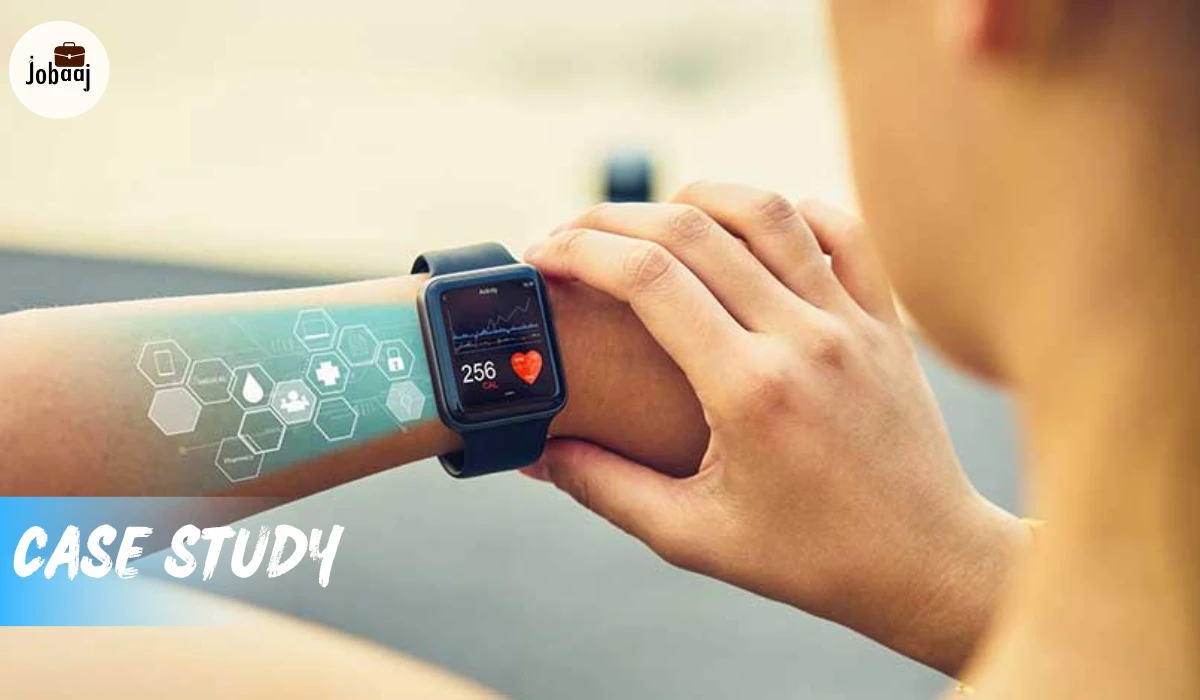
Launching a new product is one of the most exciting yet challenging moments for any business. It’s the point where months (or even years) of research, development, and preparation are put to the test in the real market.
In this case study, we explore how BrandX, a mid sized consumer electronics company, successfully launched its smart wearable device the BrandX Pulse Pro in a highly competitive market. We walk through the challenges they faced, the strategy they executed, the measurable results, and the lessons that made this product launch a success.
Whether you’re a product manager, startup founder, or aspiring business leader, this case study gives you a complete walkthrough of what worked, what didn’t, and why.
Background
BrandX had been known for its affordable tech accessories, but had never ventured into the premium wearable device category. The company decided to enter the smart health wearable market with a device that not only tracked fitness metrics but also delivered real time health insights using AI.
Before the launch, the wearable market was crowded with established players like Apple, Samsung, and Fitbit. BrandX needed a strategy that would help it stand out not just in features, but in value, positioning, and user experience.
Problem
BrandX faced three major challenges before launching the Pulse Pro:
1. Market Saturation
The wearable tech market was already dominated by brands with multi million dollar marketing budgets and strong brand loyalty. Breaking into this space would require more than just a good product it needed a differentiated message and clear value proposition.
2. Limited Brand Awareness
While BrandX had a solid customer base for its accessories, it had no presence in the wearable tech segment. The challenge was not just selling a product it was convincing customers that BrandX was a credible player in a new category.
3. High Customer Expectations
Wearables are often evaluated on features like accuracy, battery life, comfort, and user interface. Customers expecting premium experiences meant BrandX had to deliver on all fronts from technology and usability to post purchase support.
Approach
BrandX’s product launch strategy was built on a step by step framework that combined data insights, customer understanding, and smart marketing.
Market & Customer Research
Before finalizing the product design, BrandX conducted extensive market research:
- Surveys and focus groups with over 2,000 potential users
- Competitive analysis of top five wearables in the segment
- Identification of gaps like poor battery life, confusing UX, and lack of AI health features
Insight: Most users said they wanted a wearable that could accurately predict health patterns and suggest preventive advice. That became a core USP.
Product Differentiation Strategy
Instead of competing feature to feature with big players, BrandX focused on:
- AI driven health insights: Not just steps or heart rate, but predictive analytics for stress and sleep quality.
- Extended battery life: 7 day battery compared to 2–3 days in competitors.
- Affordable pricing: Positioned between mid range wearables and premium models.
- Sleek, lightweight design: Tested with user groups to maximize comfort.
Marketing & Launch Execution
BrandX prepared a multi phase campaign leading up to the launch:
Phase 1 — Teaser Campaign (6 Weeks Before Launch)
- Short videos on social media hinting at “a smarter way to track health”
- Influencer unboxings with no product reveal (building curiosity)
Phase 2 — Announcement & Early Interest (4 Weeks Before Launch)
- Press releases in tech blogs and health magazines
- Live webinars with product demos and early Q&A
- Email signup incentives for launch day discounts
Phase 3 — Launch Week
- Virtual launch event streamed on YouTube and Instagram
- Special launch offer (10% off + free accessories) for first 1,000 buyers
- Retargeting ads focused on expressed interest and cart abandoners
Post Launch Continued Engagement
- Weekly tips on health features via push notifications
- Community challenges (e.g., “7 Day Step Challenge”)
- Feedback driven updates and firmware improvements
Findings
After launch, BrandX carefully tracked early performance indicators:
Customer Feedback & Reviews
- 87% of initial customers praised battery life and AI features
- 74% reported increased awareness of health habits
- Positive sentiment on design and comfort scored 4.6/5 on major review sites
Sales & Adoption Trends
Within the first month:
- 12,000 units sold (exceeding projections by 35%)
- 68% of buyers were new to the BrandX ecosystem
- Social media mentions crossed 100,000 interactions
Website & Funnel Metrics
- Conversion rate improved from 2.1% to 4.8%
- Email signup to purchase conversion moved from 19% to 33%
- Retargeted ads had a CTR of 3.9% (industry average ~1.3%)
Results
The launch was judged a success on several key business metrics:
Revenue & Profitability
- Revenue exceeded $1.5M in the first 60 days
- Gross profit margin was healthy at 47% despite promotional discounts
Brand Reach & Positioning
- BrandX moved into wearable tech conversation among users
- The product featured in “Top New Wearables of 2026” in tech media
Competitive Impact
- Competitors adjusted pricing strategies in the same segment
- BrandX achieved 37% repeat customer rate for accessories after wearable purchase
Impact
The success of the Pulse Pro launch had lasting impact on BrandX:
- Users became long term customers of BrandX accessories
- Retail partnerships expanded due to strong retail performance
- Internal morale and confidence in product team soared
- BrandX now had a viable roadmap for future wearables
Lessons Learned
From this launch, BrandX distilled key lessons:
1. Research Must Drive Design
Understanding real user needs allowed BrandX to deliver features that matter, not just features that sound good.
2. Differentiation Beats “Me Too” Strategy
Rather than mimicking competitors, the product focused on meaningful differences that solved pain points.
3. Timing and Momentum Are Critical
Building anticipation through phased campaigns improved engagement and conversions at launch.
4. Post Launch Engagement Matters
Continued communication with users drove loyalty and enhanced word of mouth growth.
Conclusion
A successful product launch is more than a big day on the calendar it’s a blend of insights, strategy, execution, and follow through. BrandX’s Pulse Pro launch demonstrates that even in crowded markets, thoughtful positioning, clear value communication, and a user first approach can drive measurable success.
Whether you’re launching a SaaS platform, a physical product, or a digital service, the lessons from this case can help guide your path to a successful launch in 2026 and beyond.
FAQs
This case study details how BrandX successfully launched its wearable device, highlighting research, strategy, execution, and measurable results.
It provides insights into real-world product launch strategies, showing how structured planning and differentiation can drive success in competitive markets.
BrandX faced market saturation, limited brand awareness, and high customer expectations, which required careful planning and positioning to overcome.
Extensive market research, product differentiation, phased marketing campaigns, influencer engagement, and post-launch user engagement contributed to measurable success.
Product managers, startup founders, marketing professionals, and business students can learn practical lessons for planning and executing successful product launches.