
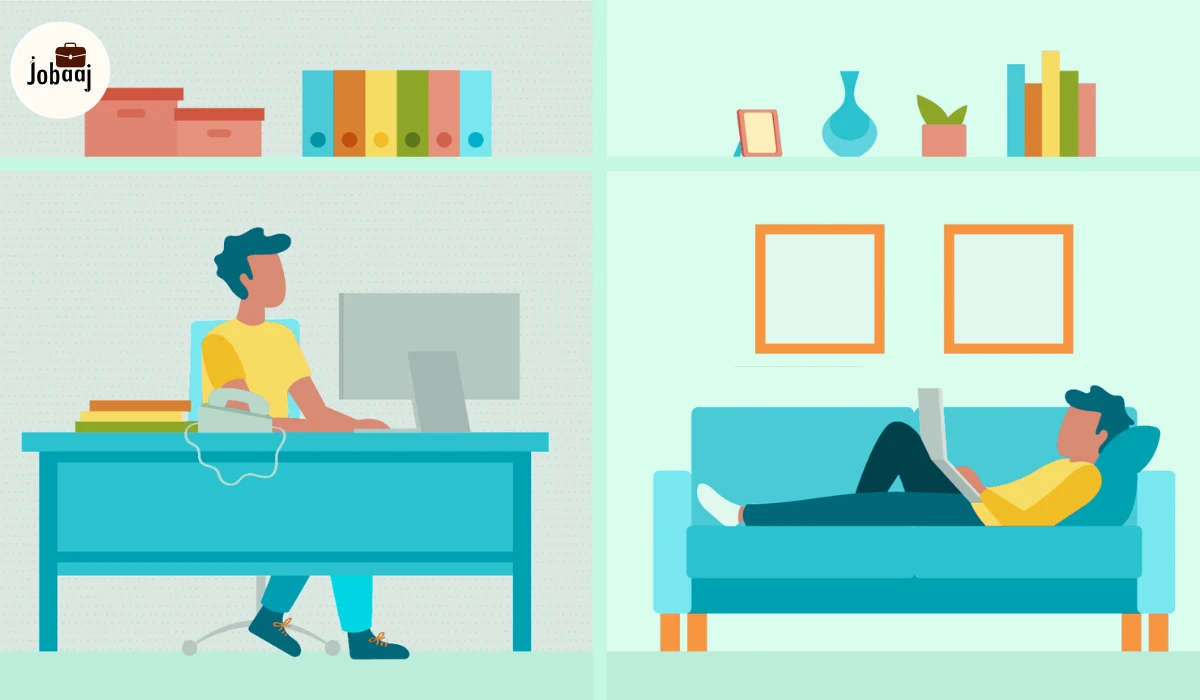
The way people work has changed significantly in recent years. Earlier, working from an office was considered the standard career path, but the growth of technology has made remote work a realistic option for millions of professionals.
Today, employees have more choices than ever before. Some professionals prefer the flexibility and independence of working remotely, while others believe that office environments provide better collaboration, networking, and career growth opportunities.
This has created a common question among students and working professionals:
Is remote work better than office work, or does working from an office still have its advantages?
The answer depends on your career goals, personality, work style, and the type of role you are pursuing. Let’s compare both work models and understand which one may suit you better.
What Is Remote Work?
Remote work allows employees to perform their jobs outside a traditional office environment.
Professionals can work from:
- Home
- Co-working spaces
- Different cities or countries
With the help of digital tools like video conferencing, project management platforms, and collaboration software, teams can work together without being physically present in the same location.
Remote work has become especially popular in fields such as:
- Technology
- Data Analytics
- Marketing
- Design
- Consulting
- Customer support
What Is Office Work?
Office work follows the traditional workplace model where employees work from a company location during fixed working hours.
This model allows employees to interact directly with colleagues, managers, and teams.
Office environments are common in industries where:
- Team collaboration is important
- Physical presence is required
- Client interaction is frequent
Examples include:
- Banking
- Consulting
- Healthcare
- Manufacturing
- Operations
Remote Work vs Office Work: Quick Comparison
| Factor | Remote Work | Office Work |
| Flexibility | High flexibility in schedule and location | Fixed working hours and location |
| Communication | Mostly digital communication | Face-to-face interaction |
| Work-Life Balance | Easier for many professionals | Depends on commute and schedule |
| Networking | Requires more effort | Easier through daily interactions |
| Collaboration | Depends on online tools | Direct teamwork |
| Career Visibility | Requires proactive communication | Easier manager visibility |
| Commute | No daily travel | Requires commuting |
Advantages of Remote Work
Better Flexibility and Work-Life Balance
One of the biggest benefits of remote work is flexibility.
Professionals can save commuting time and create a work environment that suits their personal routine.
For many employees, this improves:
- Work-life balance
- Personal productivity
- Overall job satisfaction
However, remote work also requires strong discipline because there is less direct supervision.
Access to More Job Opportunities
Remote work allows professionals to apply for jobs beyond their geographical location.
A person living in one city can work for a company located in another country.
This creates opportunities for:
- Global companies
- International projects
- Remote-first organizations
Reduced Daily Expenses
Remote employees often save money on:
- Transportation
- Food expenses
- Daily commuting costs
This can improve overall financial efficiency.
Challenges of Remote Work
Less Social Interaction
Remote workers may miss daily conversations and personal connections with colleagues.
For freshers especially, limited interaction can sometimes slow down learning and networking.
Difficulty Separating Work and Personal Life
When home becomes the workplace, maintaining boundaries can become challenging.
Some professionals find themselves working longer hours because there is no clear separation between work and personal time.
Advantages of Office Work
Better Collaboration and Team Learning
Working from an office allows employees to communicate directly with colleagues.
This can be especially helpful for:
- Fresh graduates
- New employees
- Professionals learning new skills
Being around experienced teammates can accelerate learning.
Stronger Networking Opportunities
Career growth is not only about skills. Building professional relationships also matters.
Office environments naturally create opportunities to:
- Connect with managers
- Learn from teammates
- Build workplace relationships
Clear Work Structure
Some professionals perform better with a structured environment.
An office provides:
- Fixed schedules
- Dedicated workspace
- Clear separation between work and personal life
Challenges of Office Work
Longer Commute Time
Daily travel can consume significant time and energy, especially in large cities.
Long commutes may affect:
- Productivity
- Work-life balance
- Personal time
Less Flexibility
Traditional office schedules may provide less freedom compared to remote roles.
Employees may have limited flexibility regarding:
- Working hours
- Location
- Personal commitments
Which Is Better for Career Growth?
There is no universal answer.
Both work styles can support career growth, but the experience depends on how you use the opportunity.
Remote work can help professionals develop:
- Independence
- Self-management
- Digital collaboration skills
Office work can help professionals develop:
- Communication skills
- Networking ability
- Team collaboration
For beginners, office or hybrid work can sometimes provide faster learning because of direct interaction with experienced professionals.
For experienced professionals, remote work can provide flexibility and access to wider opportunities.
Remote Work vs Office Work: Which One Should You Choose?
Your choice should depend on your career stage and working style.
Remote Work May Suit You If:
- You are self-disciplined
- You prefer flexibility
- You can manage your own schedule
- Your role is technology-based
Office Work May Suit You If:
- You are starting your career
- You enjoy teamwork
- You learn better through direct interaction
- Networking is important for your growth
The Future of Work
Many companies are moving towards a hybrid work model that combines both approaches.
Hybrid work allows employees to:
- Work remotely for flexibility
- Visit offices for collaboration and team activities
This model attempts to combine the advantages of both systems.
The future workplace is likely to focus less on where people work and more on:
- Productivity
- Collaboration
- Results
Final Thoughts
Remote work and office work both have their own advantages and challenges. Choosing the better option depends on your career goals, personal preferences, and the nature of your job.
Remote work offers flexibility, independence, and access to global opportunities, while office work provides collaboration, networking, and structured learning.
For freshers, office or hybrid environments can provide valuable exposure and mentorship. For experienced professionals, remote work can offer greater flexibility and career freedom.
Ultimately, the best work environment is the one that helps you stay productive, continue learning, and achieve your professional goals.
FAQs
Remote work and office work both have advantages. Remote work offers flexibility, while office work provides better collaboration and networking opportunities. The better option depends on your career goals and work style.
Yes, remote work can support career growth by providing access to global opportunities and improving self-management skills. However, professionals need to actively communicate and build visibility.
Office work can be beneficial for freshers because it provides direct learning opportunities, mentorship, teamwork experience, and easier networking with colleagues.
The future of work is likely to include more hybrid models where companies combine remote flexibility with office collaboration to create balanced work environments.
Companies have different preferences depending on their industry and work requirements. Many organizations now adopt flexible or hybrid models to balance productivity and collaboration.