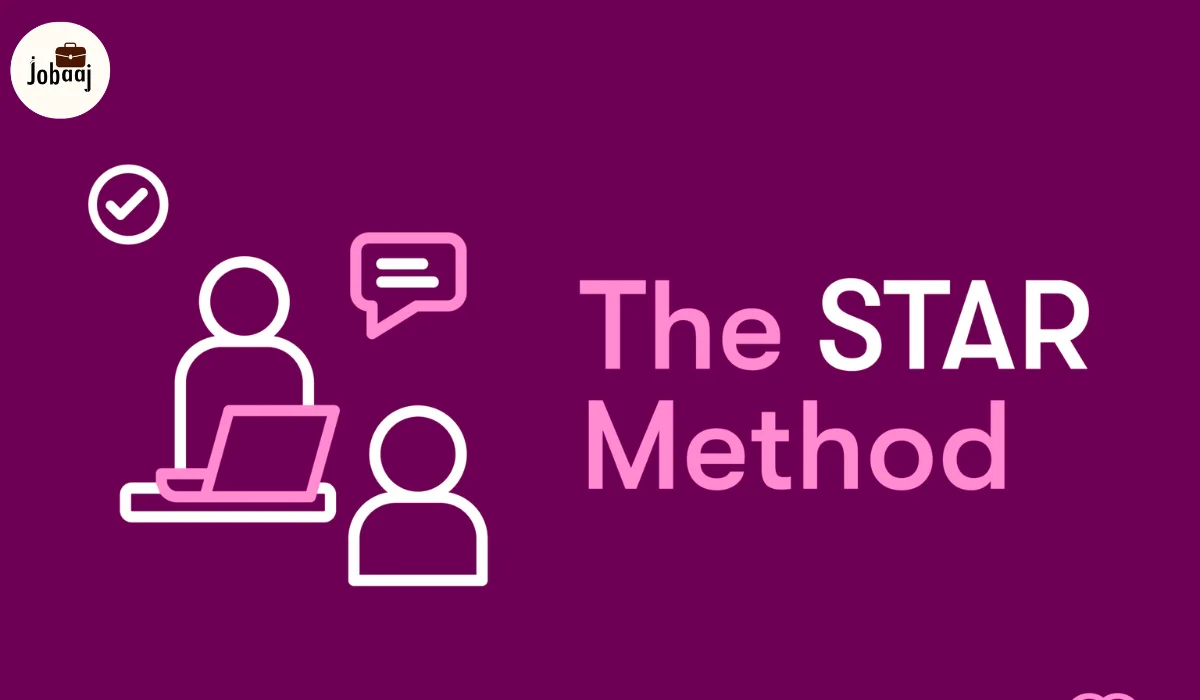
The STAR method Situation, Task, Action, Result is one of the most effective frameworks for structuring answers in interviews. For analysts, product managers, and consulting roles, it helps communicate experiences clearly, demonstrate problem-solving, and showcase impact.
Using STAR ensures your responses are focused, structured, and memorable to interviewers. This guide provides detailed examples tailored for Analysts and PMs, with tips on how to craft your own STAR responses.
Why STAR Is Important
- Structured Communication: STAR helps you avoid rambling and ensures clarity.
- Highlight Achievements: Shows not just what you did, but the measurable impact.
- Build Confidence: Knowing the framework helps reduce interview anxiety.
- Applicable Across Roles: Equally useful for analysts, product managers, and consulting candidates.
How the STAR Method Works
- Situation: Briefly describe the context of your experience.
- Task: Explain the challenge or responsibility you faced.
- Action: Detail the steps you took to address the situation.
- Result: Share the outcome, ideally with quantifiable metrics.
STAR Examples for Analysts
Example 1: Improving Data Reporting Accuracy
Situation: Weekly sales reports contained errors due to manual entry.
Task: Ensure accurate reporting and reduce mistakes.
Action: Automated data extraction using SQL queries and implemented validation checks in Excel.
Result: Reduced reporting errors by 90% and saved 5 hours of manual work per week.
Example 2: Customer Churn Analysis
Situation: The subscription service noticed rising cancellations.
Task: Identify causes and propose retention strategies.
Action: Analyzed customer data using Python and Excel, segmented users by activity, and suggested targeted promotions.
Result: Predicted at-risk users and helped reduce churn by 12% over the next quarter.
Example 3: Dashboard Creation for Management
Situation: Senior management requested a visual summary of KPIs.
Task: Build an intuitive dashboard for decision-making.
Action: Used Power BI to integrate multiple data sources and designed interactive visuals.
Result: Improved decision-making efficiency and reduced time spent in meetings by 30%.
STAR Examples for Product Managers
Example 1: Launching a New Feature
Situation: User engagement on the app was declining.
Task: Introduce a feature to boost retention.
Action: Conducted user research, prioritized features using a MoSCoW framework, and coordinated with engineering for rollout.
Result: Feature adoption reached 25% of active users within the first month, increasing retention by 8%.
Example 2: Managing Cross-Functional Team
Situation: Product redesign required collaboration across marketing, engineering, and design.
Task: Ensure smooth communication and timely delivery.
Action: Organized weekly syncs, maintained a detailed project timeline, and mitigated blockers proactively.
Result: Product launched two weeks ahead of schedule with zero major defects.
Example 3: Optimizing Conversion Funnel
Situation: The signup-to-purchase conversion rate was below target.
Task: Identify friction points and improve conversion.
Action: Analyzed funnel analytics, conducted A/B testing, and iterated on CTA placements.
Result: Conversion rate improved by 15% within two months.
Example 4: Conducting Competitive Analysis
Situation: A competitor released a similar product feature.
Task: Assess market impact and suggest strategy.
Action: Mapped feature comparisons, conducted user surveys, and recommended priority adjustments.
Result: Product roadmap reprioritized, mitigating potential revenue loss and retaining user engagement.
Example 5: Reducing Customer Support Tickets
Situation: Support team was overwhelmed with repetitive queries.
Task: Decrease ticket volume and improve customer satisfaction.
Action: Implemented FAQ documentation and self-service tools in-app.
Result: Reduced support tickets by 20% and improved CSAT score by 10 points.
Tips to Craft Your STAR Stories
- Focus on specific experiences, not generic statements.
- Quantify results wherever possible. Numbers make your impact tangible and credible.
- Keep S-T-A-R balanced: Don’t over-explain the situation; emphasize actions and results.
- Tailor stories to the role you are interviewing for, highlighting relevant skills.
- Practice delivering stories concisely but confidently.
Conclusion
Mastering the STAR method empowers analysts and product managers to answer interviews with confidence, clarity, and measurable impact. By practicing examples like improving reporting accuracy, launching features, and optimizing conversions, candidates can demonstrate structured thinking, business acumen, and tangible results, giving them a competitive edge in interviews.
FAQs
STAR stands for Situation, Task, Action, Result. It’s a framework for structuring interview answers to clearly showcase experiences and impact.
It helps communicate complex problem-solving experiences, demonstrates measurable outcomes, and structures responses for clarity and impact.
Choose specific experiences, outline the situation, define your task, explain the actions you took, and highlight results with measurable outcomes.
Yes. It is flexible enough for both behavioral questions (teamwork, leadership) and technical scenarios (project management, analytics solutions).
Prepare 8–10 versatile stories that can be adapted to multiple interview questions, covering key skills relevant to your role.