A time when your entire business infrastructure was confined to physical servers sitting in a room full of cables, whirring fans, and constant maintenance needs. The idea of accessing computing power and storage through the internet seemed like something out of a science fiction movie. Fast forward to today, and cloud computing has revolutionized how businesses operate. From startups to global enterprises, companies now rely on the cloud for everything from data storage to software hosting and computing power.
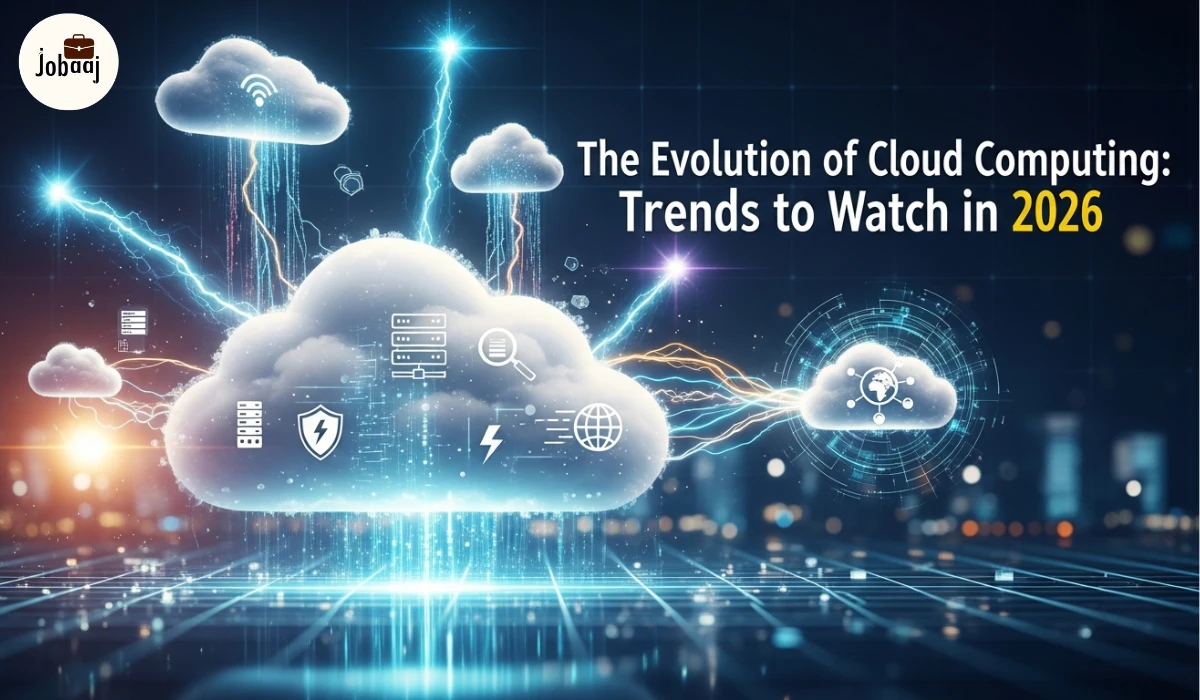
As we move into 2026, cloud computing continues to evolve, bringing new possibilities and trends that are shaping the way we interact with technology. But what does the future hold for cloud services? How will businesses, developers, and everyday users benefit from these advancements? Let’s take a closer look at some of the most exciting cloud computing trends that are expected to make waves in 2026.
The Growth of Multi-Cloud and Hybrid Cloud Solutions
In recent years, we’ve seen a significant shift towards multi-cloud and hybrid cloud solutions. But what does that mean for businesses?
1.Multi-Cloud Strategy:
A multi-cloud strategy involves using cloud services from multiple providers, such as Amazon Web Services (AWS), Microsoft Azure, Google Cloud, and others, instead of relying on a single provider. Companies are increasingly choosing to distribute their workloads across different cloud platforms to avoid vendor lock-in and enhance resilience.
2.Hybrid Cloud:
On the other hand, a hybrid cloud combines private cloud services (for sensitive data and workloads) with public cloud services (for flexibility and scalability). This model allows businesses to leverage the best of both worlds, giving them more control over data while benefiting from the cost-effective scalability of the public cloud.
In 2026, expect these hybrid and multi-cloud strategies to become more prevalent as businesses strive for better flexibility, security, and cost optimization in their cloud infrastructure.
Serverless Computing
Serverless computing is rapidly becoming one of the most discussed trends in cloud technology. But what is serverless computing, and why is it such a big deal?
What is Serverless Computing?
Serverless computing allows businesses and developers to run applications without managing the underlying infrastructure. While the cloud provider still maintains the servers, users don’t need to worry about provisioning, scaling, or maintaining servers. They only pay for the actual computing time their applications use making it a cost-effective option for many companies.
Why It’s the Future:
The rise of serverless computing in 2026 will help businesses focus more on innovation and less on infrastructure management. This trend will encourage more organizations to take advantage of flexible, event-driven computing without worrying about downtime or over-provisioning resources. Expect serverless solutions to continue growing as cloud providers offer more features and better integration with various services.
AI and Machine Learning Integration with Cloud Services
One of the most significant shifts happening in cloud computing is the integration of artificial intelligence (AI) and machine learning (ML) with cloud services. In 2026, AI-driven cloud computing will redefine how businesses use the cloud, unlocking new capabilities for automation, data processing, and decision-making.
How AI and ML Enhance Cloud Computing:
-
Smarter Data Processing: With AI and ML algorithms, cloud platforms can now process vast amounts of data and make intelligent predictions, automating tasks that once required human intervention.
-
Automated Infrastructure Management: Cloud services powered by AI can now predict and prevent issues like outages, resource shortages, and security vulnerabilities before they impact users.
-
Personalized Cloud Services: With AI integration, cloud services can be tailored to meet the specific needs of businesses, from resource allocation to cost optimization, based on data patterns.
By 2026, expect cloud providers to offer more AI-powered services that will allow businesses to automate complex tasks, improve efficiency, and drive innovation with advanced data analytics.
Edge Computing and Cloud Synergy
In 2026, edge computing will take center stage as an essential complement to cloud computing, especially for industries that rely on real-time data processing.
What is Edge Computing?
Edge computing involves processing data closer to where it is generated rather than sending it to a centralized cloud server. This is particularly important for applications that require low latency, such as IoT devices, autonomous vehicles, and real-time analytics.
Why Edge Computing Matters:
While the cloud can handle large-scale data storage and complex processing, edge computing is critical for processing time-sensitive data with minimal delay. The integration of edge computing with cloud services creates a powerful hybrid model that enables businesses to maintain data storage in the cloud while benefiting from fast, localized data processing at the edge.
By 2026, cloud and edge computing will be more seamlessly integrated, allowing businesses to optimize performance and reduce the strain on central servers by processing data in real time.
Cloud Security
As more businesses migrate to the cloud, security becomes a critical concern. Cyber threats are growing, and with so much sensitive data hosted on the cloud, companies need to ensure their systems are secure from breaches, attacks, and vulnerabilities.
Key Cloud Security Trends for 2026:
-
Zero Trust Security Model: In a zero trust architecture, no one (inside or outside of the network) is trusted by default. Users and devices must constantly authenticate and be verified before gaining access to any network resource.
-
Cloud-Native Security Tools: More cloud providers are integrating built-in security features such as advanced encryption, AI-driven anomaly detection, and automated compliance checks to secure data in transit and at rest.
-
Data Privacy and Compliance: As data regulations like GDPR and CCPA continue to evolve, businesses will need to invest in cloud services that comply with global privacy standards. Expect stronger compliance tools to be offered by cloud providers in 2026.
Cloud security will continue to be a top priority for businesses in 2026, as they strive to protect sensitive data and build trust with their customers.
The Future of Cloud Computing in 2026
The evolution of cloud computing is well underway, with new trends and technologies shaping its future. From multi-cloud strategies to serverless computing, AI-driven services, and the synergy between cloud and edge computing, the cloud landscape will continue to evolve rapidly in 2026.
For businesses, this means more opportunities to innovate, scale efficiently, and enhance performance, all while maintaining security and control. The future of cloud computing holds exciting possibilities, and those who adapt early will undoubtedly reap the rewards.
Conclusion
Cloud computing is not just a trend it’s the future of business operations. As we look to 2026, we’ll witness more robust, flexible, and secure cloud services that enable businesses to do more with less. The adoption of multi-cloud, AI-powered services, edge computing, and enhanced security will be crucial for staying competitive in the digital era.
The cloud will continue to revolutionize the way businesses operate and serve customers, offering endless possibilities for growth, scalability, and innovation. By embracing these trends, companies can ensure they remain ahead of the curve and continue to thrive in the ever-evolving digital world.
FAQs
Cloud computing refers to the delivery of computing services like storage, processing, and software over the internet. Instead of owning and maintaining physical servers, businesses can rent resources from cloud providers to scale their operations efficiently.
Multi-cloud strategy involves using services from multiple cloud providers to avoid vendor lock-in, enhance flexibility, and improve resilience. Businesses can choose the best cloud service for each specific use case, ensuring optimal performance.
Serverless computing allows businesses to run applications without managing servers. The cloud provider automatically handles infrastructure, scaling, and maintenance, while businesses only pay for the computing time they use.
Edge computing processes data closer to where it is generated, reducing latency. Combined with cloud computing, it creates a powerful hybrid model that ensures real-time data processing while maintaining the flexibility and scalability of the cloud.
AI-powered cloud services are revolutionizing cloud computing by providing intelligent automation, predictive analytics, and real-time insights. This enables businesses to optimize their cloud resources and enhance customer experiences.
Cybersecurity is crucial in cloud computing to protect sensitive data from cyber threats like hacking, ransomware, and data breaches. Strong security measures, such as encryption and multi-factor authentication, help safeguard cloud data.