
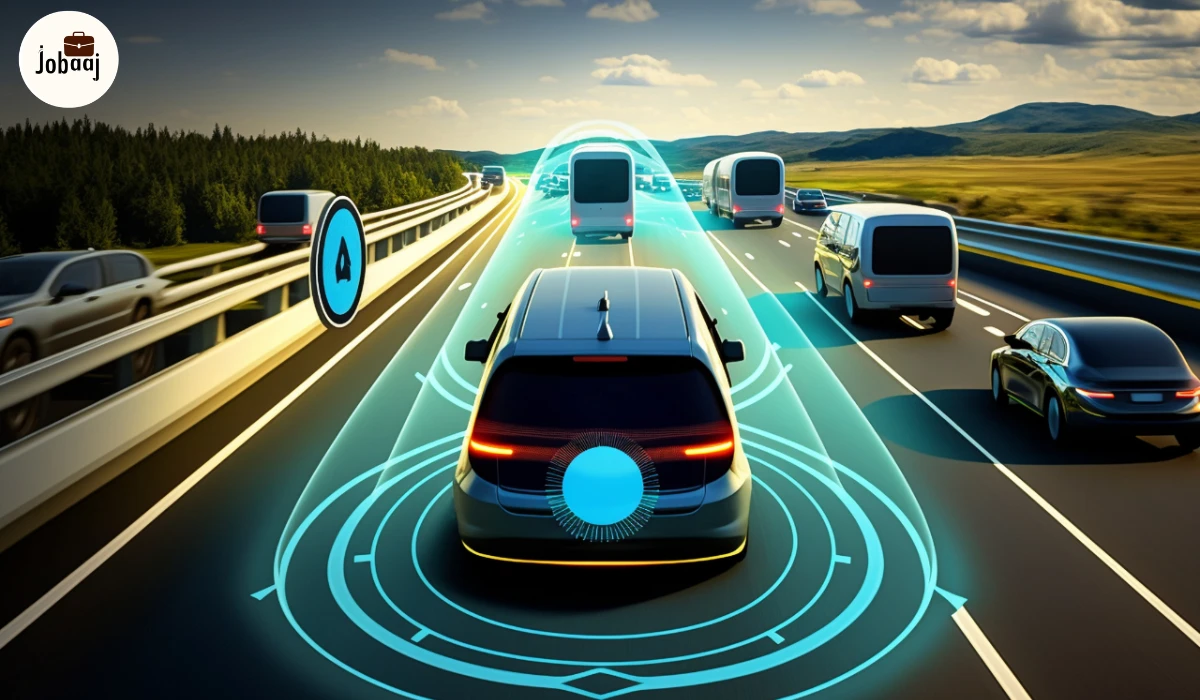
In recent years, autonomous vehicles (AVs) have moved from the realm of science fiction to a very real and rapidly evolving technology. From self-driving cars and trucks to drones and public transport, the potential for autonomous vehicles to revolutionize the way we travel, work, and live is immense. However, as this transformative technology rises, it also brings new challenges and opportunities, particularly in terms of jobs in the industry.
This blog will dive into the rise of autonomous vehicles, their impact on various industries, and the exciting job opportunities that are emerging as a result. Whether you're a student exploring career options, a professional looking to pivot into a new field, or simply someone curious about the future of transportation, this guide will provide valuable insights.
What Are Autonomous Vehicles?
Autonomous vehicles, often called self-driving cars or driverless cars, are vehicles that can operate without human intervention. These vehicles use a combination of sensors, cameras, radar, and machine learning algorithms to navigate and control the vehicle. The technology allows these vehicles to perform tasks like steering, accelerating, braking, and even changing lanes without a human driver.
There are different levels of autonomy, ranging from Level 1 (basic assistance) to Level 5 (full autonomy). Level 5 vehicles, which are fully autonomous, require no human involvement in the driving process. While most autonomous vehicles on the road today are still in the lower levels (Level 2 or 3), advancements are being made every day, and it’s expected that Level 5 vehicles will soon be a reality.
The Rise of Autonomous Vehicles: How Did We Get Here?
The journey to autonomous vehicles began decades ago. Early developments in driver assistance systems, such as adaptive cruise control and lane-keeping assist, laid the groundwork for more complex technologies. The DARPA Grand Challenge, a series of competitions for autonomous vehicles, played a significant role in accelerating research in this field.
Fast forward to the 21st century, and companies like Tesla, Waymo, Uber, and Cruise are leading the charge in autonomous vehicle research. With the help of advancements in artificial intelligence (AI), machine learning, 5G connectivity, and cloud computing, self-driving technology is now more sophisticated and closer to mass adoption than ever before.
As of 2026, we are seeing autonomous vehicles in action whether in testing on public roads or already operating in controlled environments like ride-sharing fleets, delivery services, and even autonomous trucks for logistics. The next decade will likely see these vehicles becoming commonplace, transforming industries and the workforce in ways we can only begin to imagine.
Impact of Autonomous Vehicles on the Job Market
The rise of autonomous vehicles is not just about changing how we commute; it’s also about changing the workforce. While some jobs will be replaced, others will emerge, and many industries will experience significant shifts. Let’s look at how various sectors are being impacted:
1. Transportation and Logistics
One of the most significant impacts of autonomous vehicles will be in the transportation and logistics industries. Self-driving trucks, for example, are poised to revolutionize freight transportation. Companies like Waymo, TuSimple, and Embark are already testing autonomous trucks for long-haul routes, with the potential to reduce transportation costs and improve safety.
However, the rise of autonomous trucks also brings challenges for truck drivers, a job that has long been a staple of the American workforce. In 2026, many drivers may need to transition into new roles, such as fleet management, maintenance, and data analysis. New roles in logistics technology will also emerge, as companies will need individuals to manage the complex systems that control autonomous fleets.
2. Ride-Sharing and Urban Mobility
The ride-sharing industry, including companies like Uber and Lyft, is another area where autonomous vehicles are making waves. Self-driving cars have the potential to replace human drivers, leading to a significant shift in the labor market. However, this transition will open up new opportunities in areas such as:
- Vehicle fleet management
- Mapping and route optimization
- Customer service for autonomous platforms
As cities become smarter, autonomous public transportation systems (buses, trains, etc.) will also emerge. This shift will create jobs in the management and maintenance of these systems, as well as in AI training and robotics.
3. Technology and Software Development
Autonomous vehicles rely heavily on cutting-edge technology like AI, machine learning, and computer vision. As these technologies advance, there will be an increased demand for software developers, AI engineers, data scientists, and roboticists who can design, build, and refine these systems.
The growth of autonomous vehicles will also drive demand for experts in cybersecurity, as autonomous vehicles require robust security measures to protect against hacking and ensure safe operation on public roads.
4. Insurance and Legal Services
As autonomous vehicles become more common, the insurance and legal sectors will need to adapt. Insurance companies will need to develop new policies that account for the unique risks posed by self-driving cars. Legal experts will also be in demand to address issues such as liability in the event of an accident involving an autonomous vehicle.
This will lead to new job opportunities for legal professionals specializing in automotive law, AI law, and insurance policies specific to self-driving vehicles.
5. Maintenance and Support
Although autonomous vehicles are designed to be self-sufficient, they will still require regular maintenance and support. This means there will be an ongoing demand for workers in areas like:
- Vehicle diagnostics and repairs
- AI system updates and testing
- Sensor and hardware maintenance
Workers with specialized skills in robotics and autonomous vehicle technology will be needed to ensure these vehicles continue to operate smoothly.
Jobs in the Autonomous Vehicle Industry
As autonomous vehicles continue to evolve, there will be a growing demand for a variety of roles. These jobs will not only require technical expertise but also creative problem-solving, as professionals in this industry will be responsible for developing and maintaining cutting-edge technologies.
Key Skills for Jobs in the Autonomous Vehicle Industry:
- AI and machine learning knowledge
- Data analysis and interpretation
- Robotics and sensor technology
- Cybersecurity and risk management
- Automotive engineering and design
- Project management and team leadership
As we move forward into this new era of transportation, autonomous vehicles offer incredible career opportunities across a wide range of fields. Whether you’re a student exploring career options or a professional seeking a change, the autonomous vehicle industry promises to be an exciting, dynamic field to be a part of.
Conclusion
The rise of autonomous vehicles is one of the most exciting developments in technology today. As self-driving cars, trucks, and drones become more common, they will not only change the way we travel but also create new job opportunities across various industries. While some jobs may be displaced, new roles will emerge, and the workforce will need to adapt to the changing landscape.
If you’re interested in entering the autonomous vehicle industry, now is the time to start preparing. Whether you’re looking to work in AI development, robotics, data science, or automotive engineering, the future is bright for those who are willing to embrace the technological advancements shaping our world.
FAQs
Autonomous vehicles (AVs) are self-driving vehicles that operate without human intervention. They use sensors, cameras, radar, and machine learning algorithms to navigate, control speed, and perform tasks like steering and braking. These vehicles are designed to detect obstacles, make decisions, and drive safely without a human driver.
Autonomous vehicles will significantly impact industries such as transportation, logistics, insurance, and legal services. They will reshape the way freight is delivered, how people commute through ride-sharing platforms, and how companies develop and insure their fleets. Additionally, the tech industry will see growth in fields like AI, machine learning, and robotics to support autonomous vehicle development.
While autonomous vehicles may displace certain jobs, particularly in driving, they will also create new roles. Job opportunities will emerge in areas like vehicle maintenance, AI development, data analysis, robotics, and cybersecurity. The key is to adapt by gaining skills in emerging fields that support the growth of autonomous technologies.
Autonomous vehicles offer several benefits, including improved safety, reduced traffic congestion, and lower transportation costs. They have the potential to decrease human error, which is responsible for a significant percentage of accidents, and improve traffic flow through more efficient driving algorithms. Autonomous vehicles can also provide more accessible transportation options for individuals with disabilities or those unable to drive.
The autonomous vehicle industry offers job opportunities in a wide range of fields, including AI and machine learning, robotics, automotive engineering, data science, cybersecurity, and software development. Other roles include vehicle maintenance, fleet management, and legal and regulatory positions related to self-driving technologies.
To prepare for a career in the autonomous vehicle industry, focus on developing skills in areas like AI, machine learning, robotics, and automotive engineering. Consider pursuing relevant degrees, certifications, and internships that provide hands-on experience in these fields. Staying up-to-date with the latest advancements in autonomous technology and participating in industry events will also give you a competitive edge.
While autonomous vehicles are designed to be safer than human-driven cars, challenges remain in areas such as software reliability, real-world testing, and legal regulations. The vehicles must be able to handle a wide range of unpredictable scenarios and interactions with human drivers. However, ongoing advancements in AI and machine learning are steadily improving the safety and effectiveness of autonomous systems.