
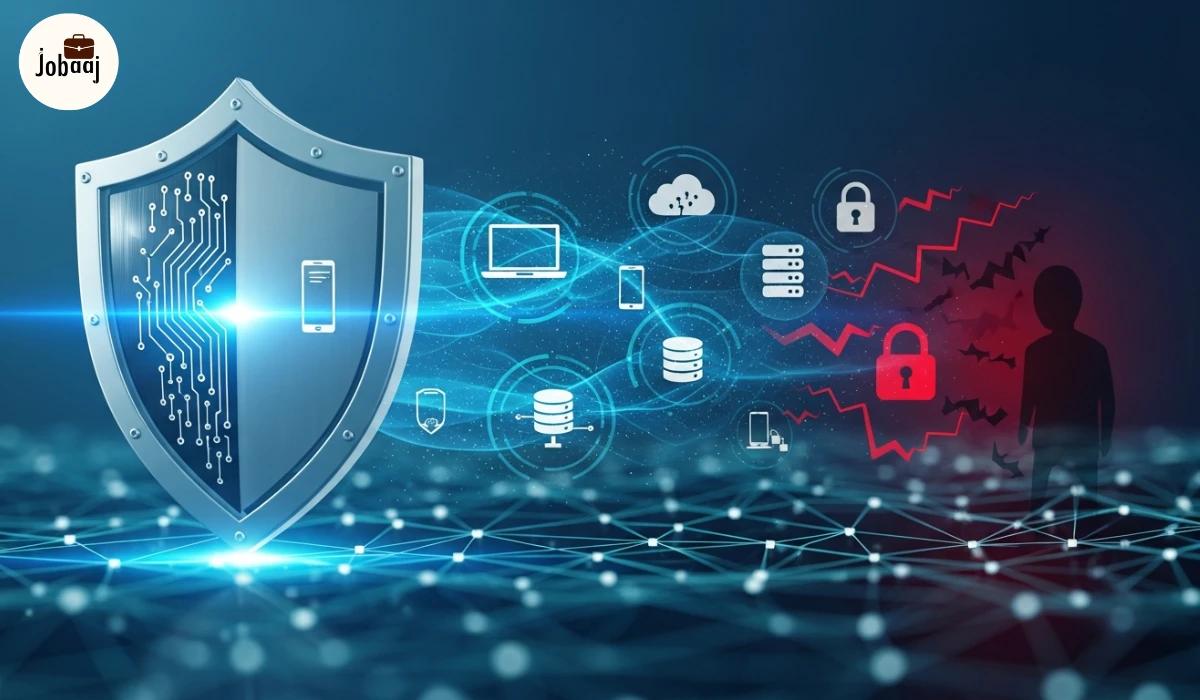
In the early days of the internet, the concept of cybersecurity was often overlooked. Back then, it was easy to think of the internet as an open space where anything goes where risks were minimal and security was just an afterthought. Fast forward to today, and the digital landscape has drastically changed. Our lives are more connected than ever, and everything from banking to healthcare relies on digital platforms. Yet with these advancements, the risks have also increased. Cyber threats have become more sophisticated, frequent, and destructive, leaving individuals, businesses, and even governments vulnerable.
In this digital age, cybersecurity is no longer optional; it is the backbone of a secure, safe, and trustworthy online experience. Whether it's protecting personal data, securing financial transactions, or safeguarding critical infrastructure, cybersecurity plays a vital role in ensuring that we can continue to enjoy the benefits of the digital world without fear of exploitation or attack.
In this blog, we’ll explore the importance of cybersecurity, the challenges it faces, and how it is safeguarding our digital future.
What is Cybersecurity and Why Does it Matter?
Cybersecurity refers to the practice of defending computer systems, networks, and data from malicious attacks, theft, damage, or unauthorized access. With the internet permeating almost every aspect of our lives, from social media to cloud storage, cybersecurity has become a critical line of defense that protects us from cyber threats.
From phishing attacks that steal personal information to ransomware that locks people out of their own data, there is a wide array of cyber threats targeting individuals, businesses, and even entire nations. Without strong cybersecurity measures in place, we are at the mercy of cybercriminals who can wreak havoc in seconds.
The rising frequency and sophistication of cyberattacks make it clear that cybersecurity is no longer a luxury or an afterthought it is an essential pillar that upholds the integrity and trust of our digital future. But the digital landscape is constantly evolving, and so too must our cybersecurity strategies.
The Growing Importance of Cybersecurity in Our Digital Age
The digital revolution has brought countless benefits: faster communication, better access to information, enhanced services, and the ability to connect across the globe. However, with these benefits also come significant risks.
-
Increased Cyber Threats: As more people and businesses move online, cybercriminals are using increasingly sophisticated tools to exploit vulnerabilities. The sheer number of cyberattacks continues to grow, and they are becoming more targeted and complex.
-
Data Breaches and Privacy Concerns: In a world where data is often referred to as "the new oil," protecting personal and sensitive information is paramount. Data breaches can lead to identity theft, financial fraud, and the exposure of private information. Cybersecurity ensures that this data is kept secure and private.
-
The Rise of Internet of Things (IoT): The growing number of connected devices smartphones, home security systems, healthcare devices, and more creates new opportunities for cyberattacks. Each connected device can be a potential entry point for cybercriminals. Cybersecurity is crucial for securing these devices and protecting users from potential harm.
-
The Impact on National Security: Beyond individual and corporate threats, cybersecurity also plays a critical role in national security. Cyberattacks on critical infrastructure, such as power grids, transportation systems, and government services, can cause widespread disruption and even endanger lives. Governments around the world are investing heavily in cybersecurity to defend against these risks.
Key Cybersecurity Threats We Face Today
As we move deeper into the digital age, the types of cyber threats are becoming more complex. Here are some of the most common cybersecurity threats that we need to be aware of:
1.Phishing Attacks
Phishing is one of the oldest and most common forms of cybercrime. Attackers typically send fraudulent emails or messages that appear to be from legitimate sources. The goal is to trick the recipient into revealing personal information, such as passwords, credit card details, or social security numbers. These attacks can be devastating if you fall for them.
2.Ransomware
Ransomware is a form of malware that locks users out of their own systems or files, demanding payment in exchange for access. This has become one of the most dangerous threats to businesses and individuals alike. Ransomware attacks can paralyze organizations, leading to massive financial losses and even data loss if not properly managed.
3.Data Breaches
Data breaches occur when cybercriminals gain unauthorized access to sensitive information, often in large quantities. Whether it’s a retail company losing customer payment data or a healthcare provider exposing medical records, data breaches can have severe consequences for both individuals and organizations.
4.Denial of Service (DoS) and Distributed Denial of Service (DDoS) Attacks
DoS and DDoS attacks aim to overwhelm a system or network with excessive traffic, causing it to crash or become unavailable. These attacks can take down websites, online services, and even entire networks, causing significant disruptions.
5.Malware and Spyware
Malware, including viruses, worms, and spyware, is designed to infiltrate, damage, or steal data from systems. It can be hidden in emails, apps, or websites and may remain undetected for long periods, silently compromising systems.
How Cybersecurity Protects Our Digital Future
Now that we understand the threats, let’s explore how cybersecurity safeguards our digital future:
1.Encryption
Encryption is the process of converting information into a secure format that can only be read by authorized parties. Whether it's securing online transactions or protecting emails, encryption plays a crucial role in keeping sensitive data safe.
2.Firewalls and Antivirus Software
Firewalls act as barriers between trusted internal networks and untrusted external networks, blocking unauthorized access. Antivirus software helps detect and remove malware from systems, preventing further damage.
3.Two-Factor Authentication (2FA)
Two-factor authentication adds an extra layer of security by requiring two forms of identification before granting access to an account. This makes it harder for cybercriminals to access sensitive data, even if they have your password.
4.Employee Education and Awareness
A key component of cybersecurity is educating users about safe online practices. By training employees and users on identifying phishing attempts, using strong passwords, and avoiding risky websites, organizations can significantly reduce their vulnerability to cyber threats.
5.Incident Response Plans
An effective cybersecurity strategy includes having an incident response plan in place. This ensures that if a cyberattack occurs, organizations can quickly identify the problem, minimize damage, and recover swiftly.
Conclusion
As we continue to embrace the digital world, the role of cybersecurity becomes even more critical. It’s the shield that protects our personal information, keeps businesses running smoothly, and defends national security. Without strong cybersecurity measures, the consequences of cyberattacks could be catastrophic, leading to financial losses, reputational damage, and even endangerment of lives.
The good news is that cybersecurity isn’t something that’s out of our control. By understanding the threats and using the right tools and strategies, we can ensure that our digital future remains safe and secure. Whether you’re an individual protecting your personal data, a business safeguarding customer information, or a government defending critical infrastructure, cybersecurity is the key to maintaining trust and security in our ever-evolving digital world.
FAQs
Cybersecurity refers to the protection of computer systems, networks, and data from malicious attacks, unauthorized access, and damage. It ensures the confidentiality, integrity, and availability of digital information.
Cybersecurity is crucial because it protects sensitive data from cybercriminals. It ensures that individuals, businesses, and governments can operate safely in the digital world, minimizing the risk of financial loss, identity theft, and data breaches.
The most common types of cyber threats include phishing attacks, ransomware, malware, data breaches, and denial of service (DoS) attacks. These threats can lead to data theft, system downtime, and significant financial losses.
Encryption converts data into a format that can only be read by authorized parties. It is commonly used in online transactions, emails, and sensitive communications to protect data from being accessed by unauthorized individuals.
Two-factor authentication (2FA) is a security process that requires two forms of identification before granting access to an account. It adds an extra layer of security by requiring both something you know (a password) and something you have (a verification code or device).
Businesses can improve cybersecurity by implementing strong password policies, using encryption, installing firewalls, conducting regular security audits, educating employees on safe practices, and having a clear incident response plan in place.