
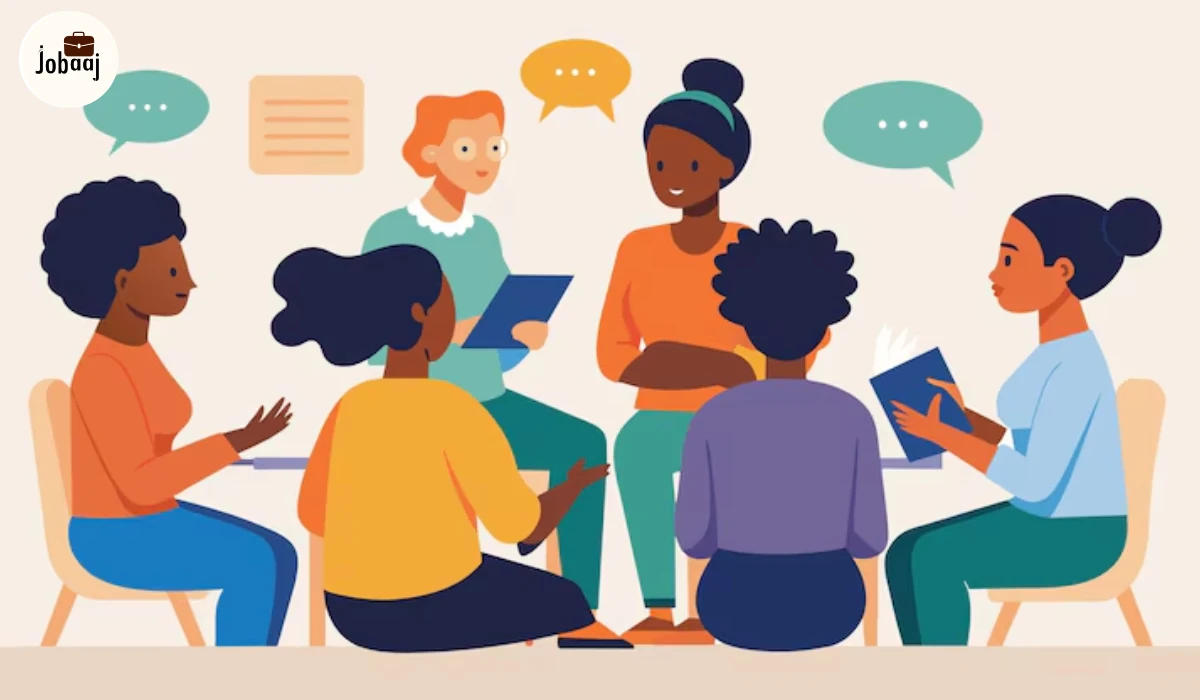
Group discussions (GDs) and assessment centers are crucial components of modern recruitment processes, particularly for roles in consulting, finance, management, and tech. These evaluations test not just your knowledge, but your communication, teamwork, problem-solving, and interpersonal skills. Excelling in these settings can set you apart from other candidates and significantly improve your chances of selection.
This guide offers practical strategies, preparation tips, and behavioral insights to help you perform confidently in group discussions and assessment centers in 2026.
Understanding Group Discussions
- Purpose: Assess your ability to articulate ideas, collaborate, and influence without dominating the conversation.
- Format: 6–12 participants discussing a topic, often moderated by HR or faculty.
- Evaluation Criteria: Communication clarity, logical reasoning, teamwork, leadership, and problem-solving.
Tip: GDs are not debates. The goal is to contribute constructively and listen actively, demonstrating both insight and collaboration.
Understanding Assessment Centers
- Purpose: Evaluate a candidate’s behavioral, cognitive, and interpersonal skills through multiple exercises.
- Activities Include: Group discussions, role-plays, case studies, presentations, psychometric tests, and interviews.
- Evaluation Criteria: Leadership potential, analytical skills, adaptability, and cultural fit.
Tip: Assessment centers aim to simulate real-world workplace scenarios, so your performance reflects your practical potential.
Key Preparation Strategies
1. Research and Awareness
- Stay updated on current affairs, industry trends, and business topics.
- Understand the company’s business model, values, and recent projects.
2. Topic Structuring for GDs
- Use frameworks like PESTLE, SWOT, or pros-cons-analysis for structured discussion.
- Begin with a clear introduction, present points logically, and summarize effectively.
3. Active Participation
- Contribute ideas confidently, but avoid interrupting others.
- Listen to peers and build on their points to show collaborative skills.
4. Communication Skills
- Speak clearly, maintain a moderate pace, and use persuasive yet concise language.
- Body language and eye contact are crucial in displaying confidence and engagement.
5. Time Management
- Balance between contributing and allowing others to speak.
- Prioritize quality of input over quantity.
Tips for Assessment Center Exercises
- Role-Plays & Simulations: Understand the scenario, act realistically, and consider stakeholder perspectives.
- Case Studies: Analyze data, provide logical insights, and recommend actionable solutions.
- Presentations: Keep slides clear, limit text, and focus on a compelling narrative.
- Psychometric & Aptitude Tests: Practice in advance to improve speed and accuracy.
- Group Exercises: Demonstrate leadership without dominance; facilitate discussions and mediate conflicts effectively.
Behavioral Tips
- Confidence vs Arrogance: Speak up, but respect others’ opinions.
- Flexibility: Be open to alternative viewpoints and adapt your reasoning.
- Observation: Watch group dynamics, identify gaps, and contribute strategically.
- Self-Presentation: Professional attire, punctuality, and politeness go a long way.
Common Mistakes to Avoid
- Over-dominating the discussion.
- Not contributing at all or being passive.
- Ignoring time limits or structure.
- Using filler words excessively or unclear language.
- Focusing only on personal opinions without evidence or reasoning.
Conclusion
Excelling in group discussions and assessment centers requires a blend of preparation, communication, teamwork, and strategic thinking. By researching topics, contributing meaningfully, respecting peers, and demonstrating professional behavior, candidates can showcase their potential and leave a lasting impression.
In 2026, recruiters value collaborative problem-solving, clarity of thought, and adaptability skills that can be honed with consistent practice and mindful participation.
FAQs
GDs assess a candidate’s ability to articulate ideas, collaborate, and influence the group while demonstrating logical reasoning and communication skills.
Assessment centers evaluate behavioral, cognitive, and interpersonal skills through exercises like case studies, role-plays, presentations, and psychometric tests.
Research topics, structure your points, listen actively, contribute confidently, and maintain professional body language and tone.
Over-dominating discussions, being passive, ignoring structure, unclear communication, and failing to consider team dynamics are common mistakes.
Facilitate discussions, encourage contributions from all members, summarize points, and guide the group toward actionable insights without overriding others.