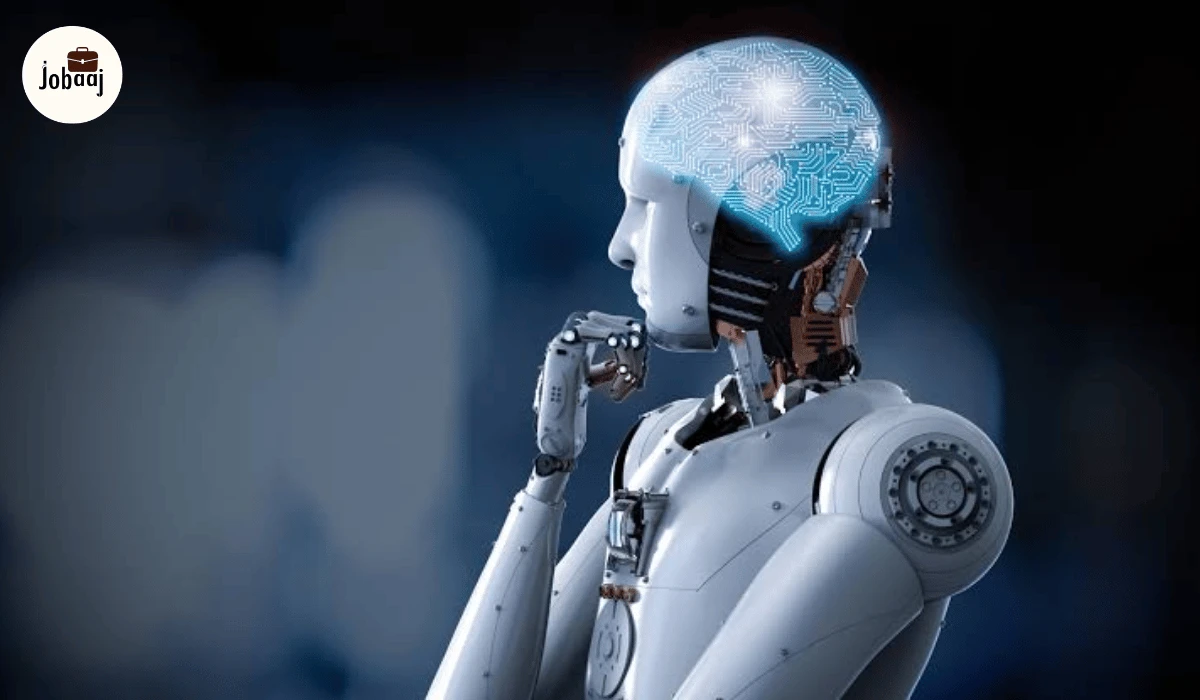
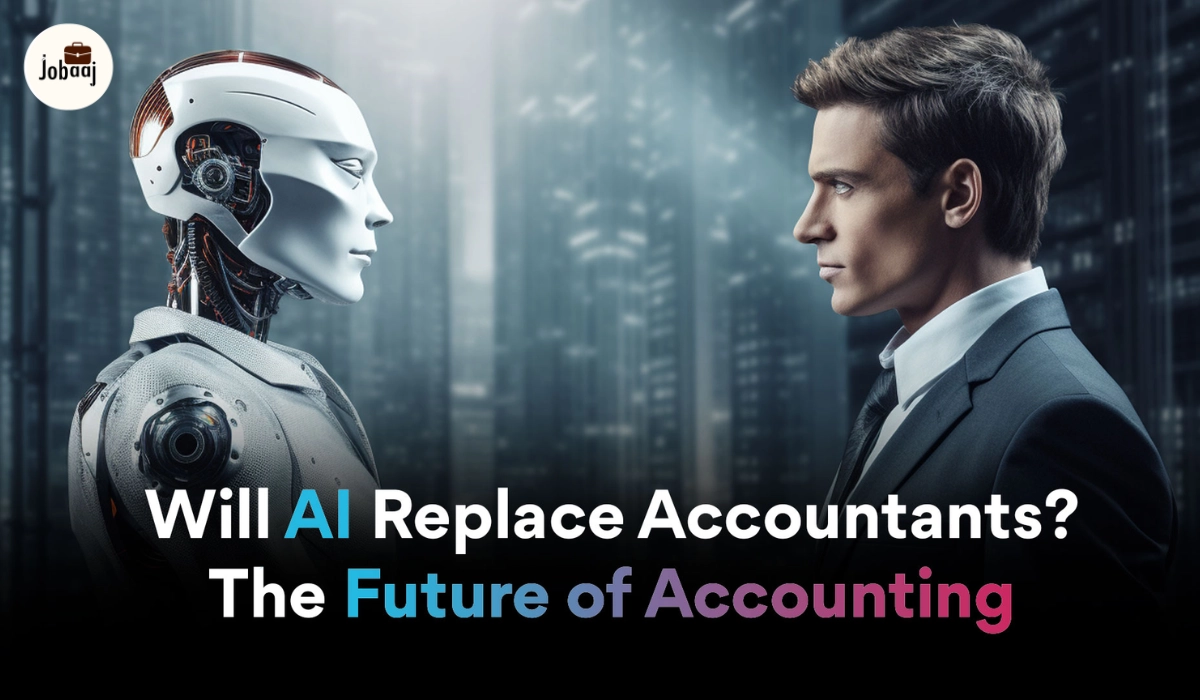
Picture this: it's the year 2030, and you're sitting in a meeting with a financial advisor. You’re discussing your company’s strategic direction, and instead of having a seasoned chartered accountant across the table, you’re facing an AI-driven platform that provides real-time financial insights. This might sound like a scene from a sci-fi movie, but with rapid technological advancements, it’s becoming more of a reality every day. So, the burning question remains—will AI replace chartered accountants?
As we dive deeper into this topic, let’s explore the profound impact AI is having on the accounting world and why chartered accountants are not going anywhere anytime soon. In fact, AI may actually be the key to unlocking a brighter, more efficient future for accounting professionals.
The Rise of AI in Accounting
Artificial Intelligence has been gradually making its mark across various sectors, but when it comes to accounting, its influence is undeniable. From automating routine tasks to offering complex financial analyses, AI is transforming how financial operations are conducted. Traditionally, chartered accountants have handled a wide range of tasks, including bookkeeping, tax calculations, and auditing. Today, AI tools are taking over the tedious, repetitive parts of these tasks, providing more accuracy and efficiency than ever before.
Consider this: AI-powered software can automatically process and reconcile financial data, detect errors, and even predict potential financial trends based on historical data. This ability to handle enormous amounts of information at lightning speed is a game-changer. But this doesn’t mean AI is replacing accountants; instead, it’s changing the way they work, enabling them to focus on higher-value tasks.
The Human Element: Why Chartered Accountants Still Matter
While AI can crunch numbers and deliver data, there’s one crucial element that AI can’t replicate—human judgment. A chartered accountant doesn’t just look at spreadsheets and figures; they analyze the story behind the numbers. They provide strategic advice, think critically about complex business scenarios, and offer solutions that consider human nuances like market trends, business culture, and ethical implications.
AI lacks the empathy, emotional intelligence, and understanding that human accountants bring to the table. A chartered accountant doesn’t just interpret financial data; they engage with clients, understand their goals, and craft personalized strategies. For example, while an AI might suggest cutting costs based on past performance, it won’t understand that a company’s long-term investment in employee training or innovation is equally important for future growth.
It’s this blend of technical expertise and human interaction that makes chartered accountants indispensable. AI is a tool that enhances an accountant’s ability to work smarter, not a replacement for the human touch that builds trust and long-lasting relationships with clients.
AI and Chartered Accountants: A Partnership
Instead of viewing AI as a threat, the future of accounting lies in partnerships—a partnership between humans and machines. AI excels at automating tasks like data entry, auditing, and financial reporting. With these tasks out of the way, accountants can focus on what truly matters: providing expert advice, consulting clients on financial strategies, and ensuring compliance with the ever-evolving financial regulations.
In many ways, AI tools are empowering accountants to do more. For instance, by using predictive analytics, accountants can now spot potential financial issues before they arise, allowing businesses to take proactive measures. Instead of spending hours manually sifting through financial statements, accountants can now use AI to identify patterns and insights, guiding their decisions and creating more value for their clients.
The Evolving Role of Chartered Accountants
As AI continues to make strides in accounting, the role of the chartered accountant is also evolving. No longer are they just number crunchers; they are becoming strategic advisors who use AI insights to guide business decisions. With automation handling the grunt work, accountants can spend more time on higher-level tasks such as financial forecasting, risk management, and strategic business planning.
The key here is upskilling. Chartered accountants who embrace AI and learn to work alongside these tools will be the ones leading the charge into the future of accounting. Instead of fearing AI, accountants should view it as an opportunity to expand their skill sets, explore new career opportunities, and add more value to their clients.
The traditional role of the accountant is being redefined—accountants are no longer confined to data entry and manual calculations. They’re now stepping into more advisory roles, helping businesses navigate the complexities of the financial world using AI-powered insights.
Adapting to a Future with AI
For chartered accountants to remain relevant in the age of AI, adapting and evolving is essential. The future won’t be about humans vs. machines—it will be about humans working with machines to achieve greater things. Chartered accountants must adapt to the digital transformation by integrating AI tools into their workflow.
Learning how to use AI for data analysis, financial modeling, and predictive analytics will be crucial for accountants who want to stay ahead. There’s no need for accountants to become AI specialists, but a solid understanding of how to use these tools will give them a competitive edge. The ability to combine their expertise with AI technology will be what sets successful accountants apart from the rest.
Conclusion: Embracing AI as a Strategic Tool
In conclusion, AI is not here to replace chartered accountants. Instead, it’s transforming the profession, enhancing accountants' capabilities, and opening up new avenues for strategic decision-making. AI is a powerful tool that streamlines operations, but it’s the human expertise and judgment of chartered accountants that will continue to drive the profession forward.
The future of accounting will be about collaboration between humans and machines. As AI takes over the mundane tasks, accountants will be free to focus on what they do best—helping clients make sound financial decisions, navigating complex regulations, and offering strategic business advice. Chartered accountants who adapt and evolve with these technological advancements will remain an integral part of the financial ecosystem for years to come.
FAQs
No. While AI automates tasks, human judgment, critical thinking, and advisory skills remain crucial for chartered accountants.
Accountants need to develop skills in data analysis, AI implementation, and client advisory services to remain competitive.
AI is automating repetitive tasks, leading to job displacement in some areas, but creating new roles focused on AI implementation and strategy.
AI increases efficiency, improves accuracy, reduces costs, and allows accountants to focus on higher-value tasks like strategic planning and consulting.
The future of accounting involves a human-AI collaboration. Adaptable accountants who embrace technology will have strong career prospects.