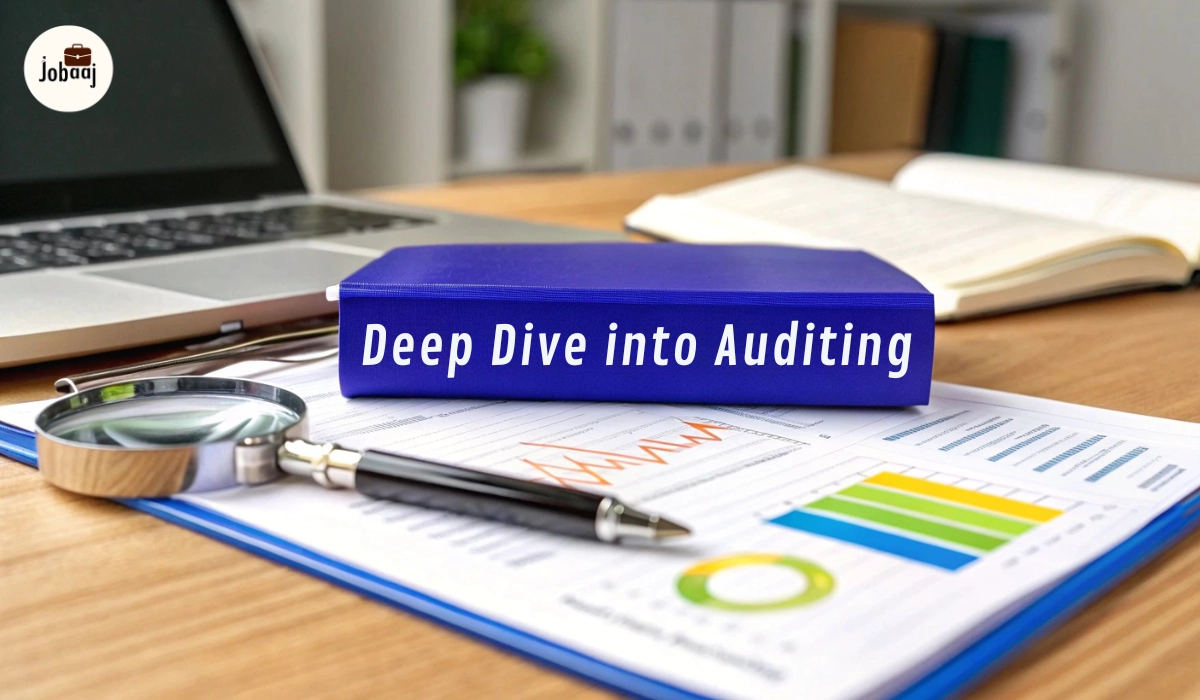
Imagine walking into a bustling corporate office, papers piled high, calculators and spreadsheets scattered across desks. In the midst of this controlled chaos, an auditor quietly sifts through the documents. With a sharp eye for detail, they uncover discrepancies and provide critical insights that could shape the future of the company. This is the heart of auditing – a process that goes beyond numbers, diving deep into the truth behind the data. But as businesses grow and evolve, so too does the role of auditing. In today’s fast-paced world, auditors are facing new challenges, using advanced technologies, and adapting to global trends. Let’s take a deep dive into how auditing has evolved and what it means for businesses today.
The Evolution of Modern Auditing
Auditing has transformed dramatically from its humble beginnings as simple bookkeeping verification. Today's auditors are digital detectives, data scientists, and strategic advisors all rolled into one.
The profession has shifted from reactive compliance checking to proactive risk assessment and business insight generation. Modern auditors don't just verify numbers—they provide valuable intelligence that drives business decisions.
This evolution reflects the changing needs of stakeholders who demand more than just financial accuracy. They want assurance about cybersecurity, sustainability practices, and operational efficiency.
Current Auditing Trends Reshaping the Industry
1. Artificial Intelligence and Machine Learning Integration
AI in auditing is no longer a futuristic concept—it's today's reality. Machine learning algorithms can process vast datasets, identify patterns, and flag anomalies faster than any human auditor.
These technologies enable continuous monitoring rather than periodic sampling. Auditors can now examine 100% of transactions instead of just a representative sample.
The result is more comprehensive coverage, reduced human error, and the ability to detect sophisticated fraud schemes that might slip through traditional methods.
2. Data Analytics and Big Data Utilization
Data analytics auditing has become the cornerstone of modern audit methodology. Auditors now harness the power of big data to gain unprecedented insights into business operations.
Advanced analytics tools can correlate information across multiple systems, identifying relationships and trends that were previously invisible. This capability transforms auditing from a backward-looking exercise into a forward-thinking strategic function.
Real-time data processing allows auditors to provide immediate feedback and recommendations, making the audit process more valuable to management.
3. Remote and Hybrid Auditing Models
The pandemic accelerated the adoption of remote auditing techniques, and this trend continues to gain momentum. Digital auditing platforms enable auditors to work effectively from anywhere in the world.
Cloud-based audit management systems facilitate real-time collaboration between audit teams, clients, and stakeholders. Document sharing, virtual interviews, and remote testing procedures have become standard practice.
This shift has not only improved efficiency but also opened up new possibilities for global audit teams and reduced travel costs significantly.
4. Sustainability and ESG Auditing
Environmental, Social, and Governance (ESG) auditing is rapidly becoming a mandatory component of comprehensive audit programs. Stakeholders increasingly demand transparency about corporate sustainability practices.
Compliance auditing now extends beyond financial metrics to include carbon footprint verification, social impact assessment, and governance structure evaluation. This expansion requires auditors to develop new skill sets and methodologies.
The integration of ESG factors into traditional financial audits creates a more holistic view of organizational performance and risk exposure.
Advanced Auditing Techniques
Risk-Based Auditing Approach
Risk-based auditing has revolutionized how auditors prioritize their efforts and allocate resources. This methodology focuses attention on areas with the highest potential for material misstatement or operational failure.
Sophisticated risk assessment models incorporate both quantitative data and qualitative factors. These models continuously update risk ratings based on changing business conditions and emerging threats.
The approach ensures that audit resources are deployed where they can have the greatest impact, improving both efficiency and effectiveness.
Continuous Auditing and Monitoring
Traditional periodic audits are giving way to continuous monitoring systems that provide real-time assurance. These systems automatically test controls and flag exceptions as they occur.
Audit automation enables organizations to maintain ongoing vigilance over critical processes and transactions. Automated controls testing reduces the time lag between control failures and detection.
This shift from episodic to continuous auditing provides more timely insights and enables rapid response to emerging issues.
Predictive Analytics and Forecasting
Predictive analytics transforms auditing from a historical review into a future-focused advisory service. By analyzing trends and patterns, auditors can forecast potential problems before they materialize.
These capabilities enable proactive risk management and help organizations make informed strategic decisions. Auditors become trusted advisors rather than just compliance verifiers.
The integration of predictive models into audit methodology represents a fundamental shift in the value proposition of audit services.
Key Challenges Facing Modern Auditors
Technology Integration and Skill Gaps
While technology offers tremendous opportunities, it also presents significant auditing challenges. Many audit professionals struggle to keep pace with rapidly evolving technological tools and methodologies.
The skill gap between traditional auditing competencies and emerging technology requirements creates both individual and organizational challenges. Continuous learning and professional development have become essential for career survival.
Organizations must invest heavily in training and technology infrastructure to remain competitive in the evolving audit landscape.
Data Quality and Security Concerns
The increasing reliance on data analytics amplifies the importance of data quality and security. Poor data quality can lead to incorrect conclusions and flawed audit opinions.
Cybersecurity threats pose additional risks to audit processes and client confidentiality. Auditors must implement robust data protection measures while maintaining audit effectiveness.
Balancing accessibility with security requires sophisticated technical solutions and comprehensive risk management protocols.
Regulatory Complexity and Compliance
The regulatory environment continues to grow more complex, with new standards and requirements emerging regularly. Auditors must navigate an increasingly intricate web of regulations across multiple jurisdictions.
Internal audit and external audit functions must coordinate closely to ensure comprehensive compliance coverage without unnecessary duplication of effort. This coordination requires clear communication and well-defined roles and responsibilities.
Staying current with regulatory changes while maintaining audit quality standards requires significant investment in professional development and knowledge management systems.
Client Expectations and Value Delivery
Stakeholders expect more value from audit engagements than ever before. Traditional compliance-focused reports are insufficient to meet modern business needs.
Auditors must balance thoroughness with efficiency while providing actionable insights and strategic recommendations. This evolution requires new communication skills and business acumen beyond traditional technical expertise.
Meeting these elevated expectations while controlling costs and maintaining independence creates ongoing tension in client relationships.
Emerging Technologies Transforming Auditing
Blockchain and Distributed Ledger Technology
Blockchain technology promises to revolutionize transaction verification and data integrity assurance. Immutable transaction records could significantly reduce the need for traditional audit procedures.
However, auditors must develop new competencies to audit blockchain-based systems and understand the unique risks associated with distributed ledger technologies. The technology's complexity requires specialized knowledge and tools.
The gradual adoption of blockchain in business processes will fundamentally change how auditors approach transaction testing and data verification.
Robotic Process Automation (RPA)
RPA enables auditors to automate routine, repetitive tasks such as data extraction, reconciliation, and basic testing procedures. This automation frees up human resources for higher-value analytical work.
Audit technology incorporating RPA can process large volumes of data quickly and accurately, reducing the time required for standard audit procedures. The technology also provides detailed audit trails and documentation.
Successful RPA implementation requires careful process design and ongoing monitoring to ensure accuracy and effectiveness.
Advanced Data Visualization
Modern data visualization tools transform complex audit findings into easily understood insights. Interactive dashboards and visual analytics help stakeholders quickly grasp key issues and trends.
These tools enhance communication between auditors and clients, making audit results more accessible and actionable. Visual presentations can highlight patterns and anomalies that might be missed in traditional reports.
The ability to create compelling visual narratives from audit data represents a significant advancement in audit reporting and stakeholder communication.
Future Outlook for the Auditing Profession
Skills Development and Professional Evolution
The future auditor will need a diverse skill set combining traditional accounting knowledge with technology expertise, data science capabilities, and business advisory skills.
Professional organizations are already updating certification requirements and continuing education programs to address these evolving needs. Universities are revising curricula to prepare students for the modern audit environment.
Career paths in auditing are becoming more diverse, with opportunities in specialized areas such as cybersecurity auditing, ESG assurance, and technology risk assessment.
Regulatory and Standards Development
Auditing standards will continue to evolve to address new technologies, business models, and stakeholder expectations. Standard-setters are working to provide guidance on emerging areas such as AI auditing and digital asset verification.
International harmonization of auditing standards will become increasingly important as businesses operate across global markets. Consistency in audit approaches and reporting will enhance stakeholder confidence.
The pace of standards development must accelerate to keep up with technological and business model innovation while maintaining rigor and reliability.
Market Opportunities and Challenges
The auditing profession faces both significant opportunities and competitive pressures. New service areas such as cybersecurity assurance and ESG verification offer growth potential.
However, automation and technology may reduce demand for traditional audit services. Firms must innovate and expand their value proposition to remain relevant and competitive.
Success will require strategic vision, technological investment, and a commitment to continuous learning and adaptation.
FAQs
Technology like cloud computing and data analytics allows auditors to analyze massive datasets, identify risks proactively, and automate many audit tasks, leading to increased efficiency and accuracy.
Challenges include adapting to new technologies, managing data security risks related to cloud storage and big data, and keeping up with evolving regulations and accounting standards.
Continuous auditing involves ongoing monitoring and analysis of data throughout the year, rather than relying solely on periodic audits, providing real-time insights into financial processes and controls.
AI and machine learning are used to automate tasks, identify anomalies in data, enhance risk assessment, and improve the overall efficiency and accuracy of audit procedures.
Data analytics enables auditors to identify patterns, anomalies, and potential risks much more quickly and efficiently than traditional methods. This leads to better risk management and more effective audits.