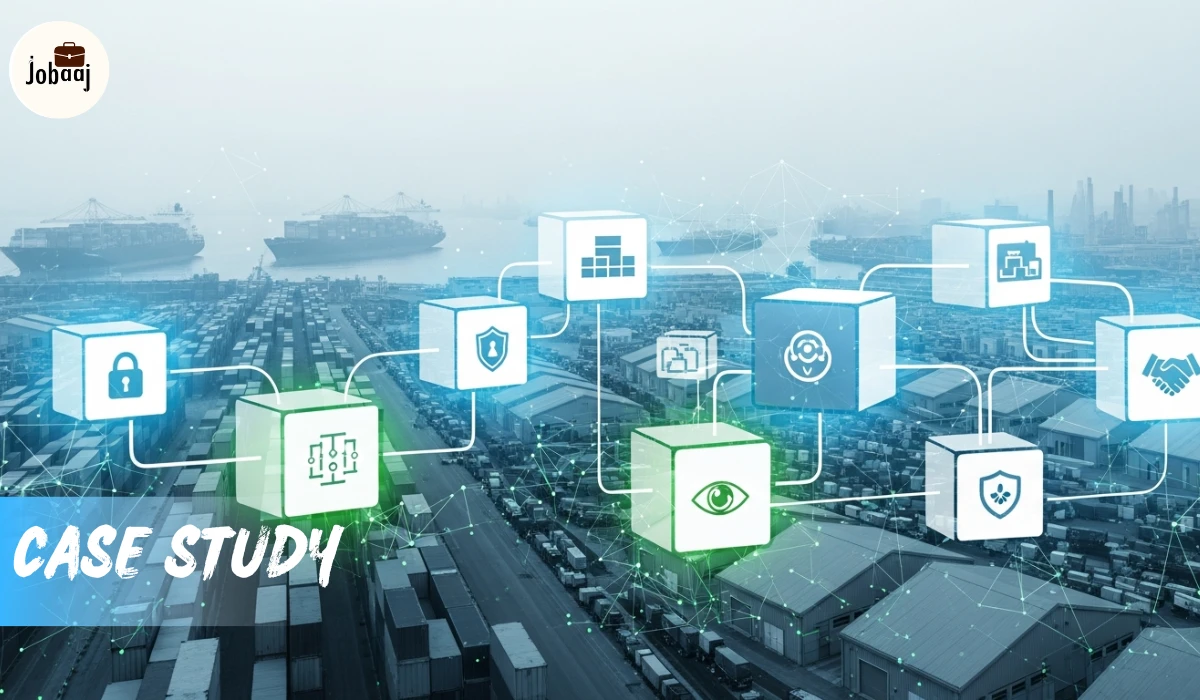
In the ever-evolving global marketplace, businesses face increasing pressure to ensure transparency, traceability, and accountability in their supply chains. Traditional methods of tracking goods can be cumbersome, prone to errors, and often lack visibility. With the growing demand for ethically sourced products and increasing consumer awareness, companies need a solution to enhance supply chain transparency. Enter blockchain technology: a decentralized, secure, and immutable ledger that offers transparency and traceability throughout the supply chain process.
In this case study, we will explore how blockchain technology has transformed supply chain transparency, focusing on its role in reducing fraud, increasing efficiency, and building consumer trust.
Problem
The primary issue in traditional supply chains is the lack of transparency. Companies often rely on multiple intermediaries such as suppliers, distributors, and logistics providers, making it difficult to maintain a single source of truth. This results in:
-
Fraud and Counterfeiting: Products entering the market that are counterfeit or have questionable origins.
-
Operational Inefficiencies: Supply chain partners struggle to share information in real time, causing delays and bottlenecks.
-
Compliance and Sustainability Challenges: Difficulty in verifying ethical sourcing, environmental impact, and regulatory compliance.
-
Erosion of Consumer Trust: Consumers demand proof of ethical sourcing and sustainability, and lack of transparency damages brand reputation.
Approach
To address these issues, companies have turned to blockchain technology to introduce greater transparency into their supply chains. The blockchain’s decentralized nature creates a tamper-proof ledger where every transaction and movement of goods is recorded in real time. This technology allows companies to track each step in the journey of a product, ensuring its authenticity, safety, and compliance with sustainability standards.
Key steps in the approach include:
-
Adopting blockchain platforms: Collaborating with leading blockchain solution providers like IBM and Hyperledger.
-
Integrating supply chain systems: Integrating blockchain with existing ERP and inventory management systems to streamline data flow.
-
Engaging stakeholders: Encouraging suppliers, distributors, and partners to participate in the blockchain ecosystem, ensuring complete transparency.
Strategy
The strategy behind implementing blockchain in supply chains revolves around building a transparent and collaborative ecosystem. Companies need to:
-
Digitize Supply Chain Records: Replace manual tracking and record-keeping with digital records stored securely on the blockchain.
-
Collaborate with Industry Partners: Engage all stakeholders, from manufacturers to retailers, to create a unified blockchain platform.
-
Focus on Key Use Cases: Implement blockchain for high-value areas such as tracking food safety, verifying luxury goods, and ensuring ethical sourcing.
-
Leverage Smart Contracts: Automate contract enforcement and payments based on predefined conditions, reducing delays and human errors.
This strategy helps reduce inefficiencies, improve transparency, and ensure that products comply with relevant regulations and standards.
Innovations
Blockchain technology has led to several innovations in supply chain management:
-
Real-Time Tracking: Blockchain provides real-time visibility into the movement of goods, allowing stakeholders to monitor the status of their products at every stage.
-
Secure Data Sharing: Data stored on a blockchain is immutable and secure, making it difficult for fraudulent actors to manipulate information.
-
Tokenization of Assets: Companies can tokenize physical assets (e.g., raw materials, products) on the blockchain, creating a transparent record of ownership.
-
Automation through Smart Contracts: Blockchain enables the use of smart contracts to automate processes like payment settlements, reducing human intervention and errors.
These innovations enhance both the efficiency and security of the supply chain, making it easier to track products and ensure ethical practices.
Findings
From the implementation of blockchain, businesses have observed the following improvements:
-
Enhanced Traceability: Blockchain enables the full traceability of products, allowing companies to track the entire journey of a product from production to retail.
-
Reduced Fraud: The decentralized nature of blockchain prevents tampering and fraud, ensuring that goods are authentic and sourced ethically.
-
Improved Operational Efficiency: Blockchain reduces administrative costs and transaction delays, leading to more efficient and streamlined supply chain operations.
-
Better Compliance: Blockchain allows for the tracking of regulatory compliance and sustainability standards, ensuring that businesses can prove their ethical practices to consumers.
Lessons Learned
Several key lessons have emerged from the adoption of blockchain technology in supply chains:
-
Collaboration is Key: Successful implementation requires the participation of all supply chain partners. Without broad adoption, the blockchain’s effectiveness is limited.
-
Data Quality Matters: Blockchain can only be as good as the data it receives. Ensuring accurate, high-quality data is critical for achieving the desired results.
-
Security is a Must: While blockchain is inherently secure, integrating it with existing systems (e.g., IoT devices, inventory management) requires robust cybersecurity measures.
-
Scalability Challenges: While blockchain can provide transparency, scaling the system across large global supply chains can be a challenge and requires substantial investment.
Results
Adopting blockchain for supply chain transparency has led to tangible results for businesses:
-
Operational Efficiency Gains: Companies like Walmart and IBM have implemented blockchain to reduce supply chain inefficiencies. For instance, Walmart’s blockchain-powered system enables it to trace food products from farm to table in seconds, dramatically improving food safety protocols.
-
Consumer Trust: Brands like Starbucks and De Beers have used blockchain to demonstrate ethical sourcing practices, helping build trust with consumers who are increasingly concerned about the origins of the products they purchase.
-
Counterfeit Prevention: De Beers’ blockchain initiative has successfully reduced the prevalence of conflict diamonds, ensuring customers only receive certified, authentic diamonds.
-
Sustainability and Compliance: Companies such as Patagonia use blockchain to ensure that their supply chains meet sustainability standards, helping them achieve their corporate social responsibility (CSR) goals.
Conclusion
Blockchain technology is a game-changer for supply chains, enabling greater transparency, reducing fraud, and enhancing operational efficiency. By adopting blockchain, companies can provide consumers with the trust and visibility they demand while ensuring their supply chains remain ethical, sustainable, and efficient.
The future of supply chains lies in transparency, and blockchain is the key to unlocking that future. Businesses that embrace this technology will be able to improve their operational efficiency, meet consumer expectations, and stay competitive in an increasingly complex and regulated marketplace.
FAQs
Blockchain offers a secure, decentralized ledger that provides traceability and transparency across the entire supply chain, ensuring products are authentic and ethically sourced.
Blockchain's immutable and transparent nature makes it difficult for fraudulent actors to alter or manipulate data, ensuring the authenticity of goods and reducing the risk of counterfeiting.
Blockchain improves operational efficiency, reduces fraud, increases transparency, and helps ensure compliance with ethical sourcing and sustainability standards.
Blockchain provides a transparent and verifiable record of a product's journey, making it easier to track compliance with regulations and sustainability goals, such as ethical sourcing and reducing carbon footprints.
Industries like food safety, luxury goods, pharmaceuticals, and fashion benefit significantly from blockchain, as they require high levels of traceability, compliance, and anti-counterfeiting measures.
Consumers benefit from increased transparency and trust, as blockchain allows them to verify the origin, authenticity, and sustainability of the products they purchase.
Challenges include scaling blockchain systems across global supply chains, ensuring data quality, and achieving full collaboration from all supply chain partners.