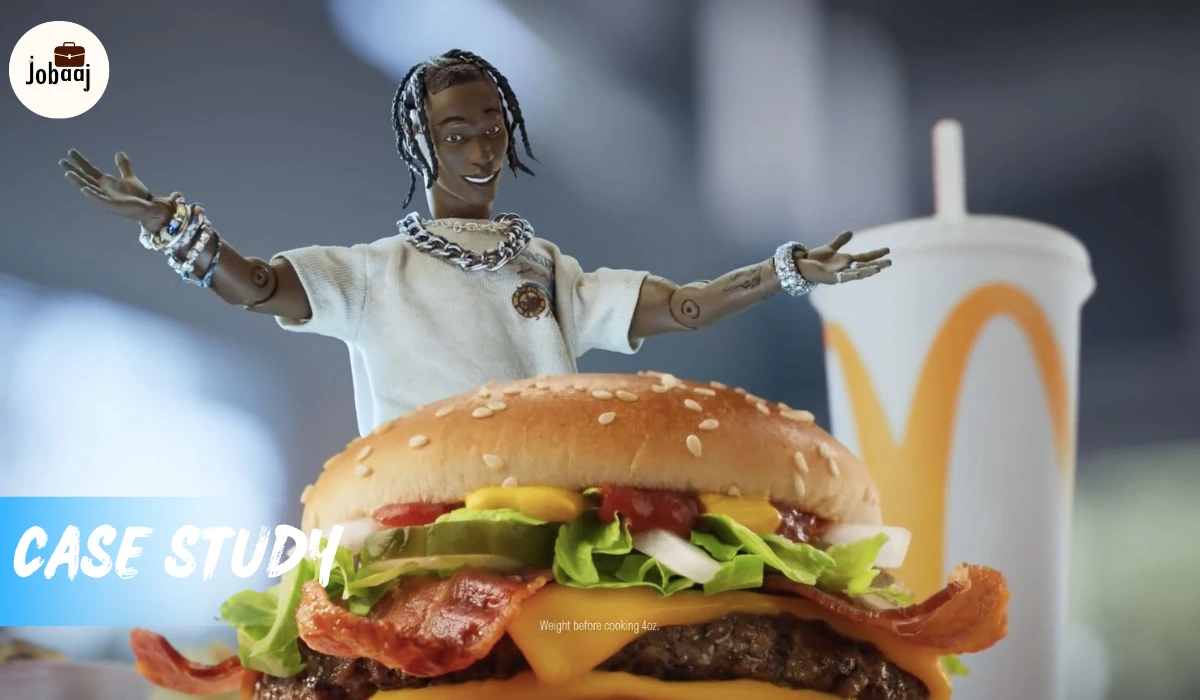
In 2020, McDonald’s took a bold leap into the world of influencer marketing, and the result was a campaign that would forever change how brands think about collaborations. The campaign? The Travis Scott Meal a limited-edition offering inspired by the rap superstar’s favorite McDonald's order. What started as a meal collaboration quickly turned into a cultural phenomenon, resulting in not only a surge in sales but also a massive boost in the brand’s pop-culture relevance.
By aligning with Travis Scott, McDonald’s was able to connect with a new generation of millennials and Gen Z consumers in ways traditional marketing couldn’t. This case study explores how McDonald’s used influencer marketing, exclusivity, and hyper-engagement to launch one of the most successful campaigns in the brand’s history. Let’s break down the problem, strategy, results, and key takeaways from the Travis Scott Meal campaign.
Problem / Challenge
Before the Travis Scott collaboration, McDonald’s was facing a familiar problem: a disconnect with younger consumers, particularly millennials and Gen Z. As these generations increasingly turned to healthier food options and digital-first dining experiences, McDonald’s struggled to maintain relevance with these key demographics.
Additionally, the fast-food giant was dealing with a saturated market where traditional advertising methods weren’t cutting through the noise anymore. McDonald's needed a fresh, authentic, and impactful way to engage the youth a way that went beyond the usual campaigns.
Challenges McDonald’s Faced:
-
Attracting younger consumers who felt the brand was outdated.
-
Lack of engagement with millennials and Gen Z on digital platforms.
-
Rising competition from healthier fast-casual chains and digital-only brands.
-
Stagnation in digital brand perception, particularly on social media.
Objective
The objective of the Travis Scott Meal campaign was to reinvigorate McDonald’s brand among millennials and Gen Z by leveraging the power of a celebrity partnership. The meal needed to be simple yet unique, tapping into the cultural zeitgeist, driving consumer engagement, and boosting sales.
Campaign Goals:
-
Increase sales through a limited-edition menu offering.
-
Engage with younger, digital-first audiences and create buzz on social media.
-
Enhance brand perception and reinforce McDonald’s position as a modern, relevant brand.
-
Drive foot traffic to stores, especially among customers who had drifted away from the brand.
Strategy & Execution
The Travis Scott Meal campaign was a masterclass in influencer marketing and cultural relevance. McDonald's chose to partner with Travis Scott, one of the biggest stars in pop culture, who had been an outspoken fan of the brand for years. Here’s how they executed the strategy:
1. Influencer Collaboration
McDonald’s worked with Scott, not just as a celebrity, but as a cultural icon. Instead of simply endorsing a product, Scott co-created the meal, which consisted of a Quarter Pounder with cheese, bacon, lettuce, medium fries, and a Sprite. This personalized touch made the campaign feel authentic and connected to Scott’s fanbase.
2. Exclusivity & Urgency
To increase the appeal, McDonald’s made the meal a limited-time offering, creating a sense of urgency. The meal was available for a short period, which made fans eager to try it before it was gone. This tactic played into the idea of scarcity, making the product seem more exclusive and desirable.
3. Social Media Domination
Scott’s massive social media following was instrumental in the campaign’s success. His Instagram and Twitter posts about the meal quickly went viral, attracting millions of views. McDonald's also tapped into Scott’s personal brand by including his iconic merchandise alongside the meal offering.
4. User-Generated Content & Hashtags
McDonald’s encouraged customers to share their experiences with the Travis Scott Meal on social media by using the hashtag #TravisScottMeal. This created a viral loop, where fans were generating content and spreading the word to their networks.
5. Merchandising and Cross-Promotion
Beyond just the food, McDonald's also launched exclusive Travis Scott merchandise, such as t-shirts, hats, and even a McNugget pillow. This added cross-platform value, increasing the emotional connection between fans and the brand while also driving additional sales.
Data & Analysis: Breaking Down the Campaign’s Impact
The Travis Scott Meal campaign wasn’t just a viral success; it was a financial powerhouse. Let’s dive into the key numbers and data insights from the campaign:
-
Sales Impact: The campaign generated over $20 million in sales in the first few weeks alone. McDonald’s saw a 15% increase in quarterly revenue, largely attributed to the campaign.
-
Social Media Reach: Travis Scott’s Instagram posts about the meal garnered millions of likes and sparked conversations across platforms. The hashtag #TravisScottMeal became a viral sensation, reaching billions of impressions globally.
-
Foot Traffic: McDonald’s experienced a 30% increase in visits from millennials and Gen Z customers during the campaign period.
-
Merchandise Success: The limited-edition McDonald’s and Travis Scott merch sold out rapidly, providing additional revenue and extending the campaign’s reach beyond food sales.
-
Press Coverage: The campaign received widespread media attention, including coverage in major outlets like Forbes, Vogue, and The New York Times, boosting McDonald's visibility and perception.
Findings
The success of the Travis Scott Meal campaign offers several valuable insights into modern marketing strategies:
1.Authenticity Drives Engagement: The collaboration felt authentic and natural because it aligned with Travis Scott’s personal brand, rather than just a typical celebrity endorsement.
2.Exclusivity Fuels Demand: Limited-time offers create a sense of urgency and drive customers to act quickly, boosting both sales and engagement.
3.Influencer Marketing Can Go Beyond the Food: McDonald’s didn’t just sell a meal; they sold a cultural experience by incorporating merchandise and fan engagement into the campaign.
4.Social Media is Key: Platforms like Instagram, TikTok, and Twitter were crucial in spreading the word and generating buzz. The ability to create a viral hashtag gave the campaign organic reach beyond paid advertisements.
Results
-
Sales Growth: McDonald’s reported a 10% increase in sales at locations offering the Travis Scott Meal, with millions of meals sold during the campaign period.
-
Brand Loyalty & Engagement: The campaign led to significant growth in social media followers and engagement rates, with over 50 million mentions of the #TravisScottMeal hashtag.
-
Media Buzz: McDonald’s received widespread press coverage, contributing to long-term brand recognition.
-
ROI: The campaign had an estimated 10x return on investment (ROI), considering both direct sales and indirect benefits like brand awareness and media coverage.
Learnings & Recommendations
From the Travis Scott Meal campaign, we can draw several key learnings for marketers looking to replicate its success:
1.Be Authentic in Your Collaborations: Choose influencers who genuinely align with your brand’s values and audience.
2.Create Scarcity: Limited-time products or offers create urgency, driving customer action and boosting sales.
3.Engage Your Audience: Encourage user-generated content and create interactive campaigns to increase engagement.
4.Use Social Media to its Full Potential: Social media isn’t just for promoting products it’s for creating conversations and building community around your brand.
Conclusion
The Travis Scott Meal campaign is a shining example of how influencer marketing and cultural relevance can transform a brand's reach, sales, and image. By using authentic collaboration, social media power, and exclusive products, McDonald's not only increased its sales but also redefined what a successful marketing campaign looks like in 2026.
For brands looking to tap into the youth market or create a cultural moment, McDonald’s successful campaign provides a roadmap for breaking through the noise in a saturated market.
FAQs
In 2020, McDonald’s collaborated with Travis Scott to create a limited-edition meal, turning it into a viral marketing campaign that boosted sales and brand relevance, especially among Gen Z and millennials.
McDonald’s partnered with Scott due to his authenticity and influence within pop culture, appealing directly to younger, digitally-native consumers.
McDonald's leveraged Travis Scott’s massive social media following, creating viral content and encouraging fans to engage using the hashtag #TravisScottMeal.
The campaign led to a 10% sales increase, 30% more foot traffic from millennials and Gen Z, and generated over $20 million in sales within weeks.
McDonald’s made the meal available for a limited time, creating urgency. They also launched exclusive merchandise that fueled demand.
Brands can learn the value of authenticity, leveraging social media for engagement, creating urgency with limited-time offers, and adding exclusive products to their campaigns.