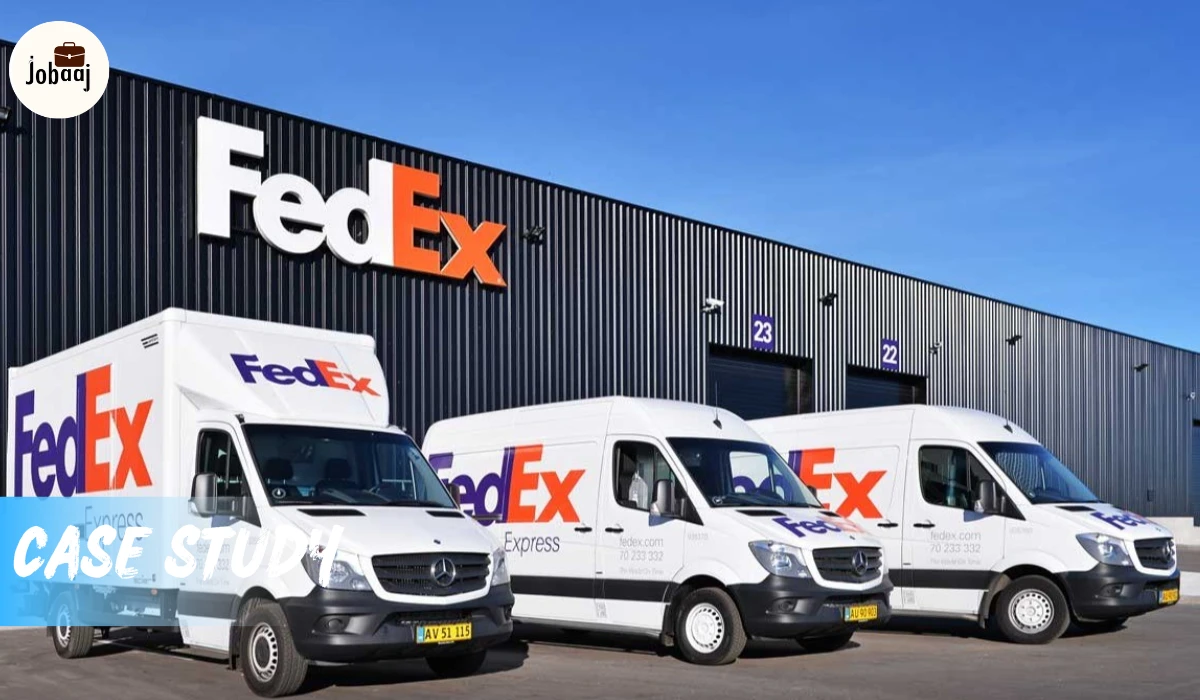
FedEx, one of the world's largest logistics companies, has consistently set the bar for innovation in the industry. With the increasing demands of the e-commerce world, FedEx has faced significant pressure to keep its operations efficient and sustainable. In 2026, the need for faster, more efficient delivery systems has never been more critical. This case study explores how FedEx addressed its logistical challenges by incorporating cutting-edge technologies such as artificial intelligence (AI), automation, and blockchain to streamline operations and stay ahead in a competitive industry.
Problem
FedEx faced several key challenges in its logistics operations, which are common in the highly competitive and ever-evolving logistics industry:
-
Inefficiencies in Delivery Routes: FedEx's traditional systems were not optimized for the massive volume of deliveries, especially in urban areas with heavy congestion. The routes often led to delays and increased operational costs.
-
Delays in Package Handling: As package volumes surged, the handling of parcels became increasingly slow. This delay in sorting and processing caused customer dissatisfaction, especially with the rising expectation for same-day or next-day delivery.
-
Environmental Concerns: FedEx needed to reduce its carbon footprint to meet sustainability goals. Transporting packages in a less energy-efficient way was not only costly but also damaging to its reputation with environmentally-conscious customers.
-
Complexity of Multimodal Transportation: Coordinating air, ground, and sea transportation was becoming increasingly complex as FedEx’s global operations grew. Managing these networks and ensuring the seamless integration of each mode of transport was a major challenge.
These challenges required a solution that would not only improve efficiency but also reduce costs and align with sustainability goals.
Solution
FedEx implemented a multi-faceted solution that leveraged cutting-edge technologies to address its logistical challenges:
-
AI-Powered Route Optimization: Using advanced AI algorithms, FedEx optimized its delivery routes, reducing travel times and fuel consumption. The AI system continuously adapts based on real-time data such as traffic conditions and weather forecasts, ensuring timely deliveries even during peak hours.
-
Automated Sorting Systems: To address package handling delays, FedEx introduced automated sorting systems powered by robotics and AI. These systems allowed for faster and more efficient sorting of parcels, significantly reducing bottlenecks in FedEx hubs.
-
IoT for Real-Time Tracking: By implementing the Internet of Things (IoT), FedEx enabled real-time tracking of packages throughout their journey. This technology allowed for seamless communication between various transportation modes and provided customers with accurate updates on their deliveries.
-
Blockchain for Secure and Transparent Operations: To address transparency and security concerns, FedEx incorporated blockchain technology into its logistics network. Blockchain enabled secure and real-time tracking of packages, reducing fraud and enhancing trust with customers and partners.
-
Sustainability Efforts: FedEx’s commitment to reducing its carbon footprint led to the adoption of electric vehicles and alternative energy sources in its delivery fleet. By integrating green technologies, FedEx not only contributed to the environment but also reduced fuel costs.
Impact
The implementation of these technologies led to substantial improvements across several areas:
-
Faster Delivery Times: AI-powered route optimization and automated sorting significantly reduced delivery times. FedEx was able to meet customer expectations for same-day or next-day delivery with greater reliability.
-
Cost Savings: Automation and AI led to significant cost savings, especially in terms of fuel consumption, labor, and operational overhead. AI-driven optimization cut down on unnecessary trips and minimized waste in transportation resources.
-
Increased Customer Satisfaction: Real-time tracking and faster delivery times greatly improved customer satisfaction. Customers were now able to track their packages every step of the way, reducing anxiety and improving the overall delivery experience.
-
Sustainability Gains: The transition to electric vehicles and renewable energy sources contributed to FedEx’s goal of becoming carbon-neutral by 2040. These measures not only helped the environment but also resonated well with eco-conscious customers.
-
Improved Operational Efficiency: The integration of AI, IoT, and blockchain improved FedEx’s operational efficiency. The company was able to reduce the complexity of multimodal transportation while ensuring seamless coordination across its global network.
Challenges
Despite the success of these innovations, FedEx faced several obstacles during implementation:
-
High Upfront Costs: The initial investment in AI, automation, and blockchain technology was significant. The integration of these advanced systems required careful planning and a long-term commitment to reaping the rewards.
-
Technology Integration: Integrating new systems into FedEx's existing infrastructure was challenging. The company had to ensure that all systems worked in harmony to avoid disruptions in operations.
-
Regulatory Compliance: Navigating the regulatory landscape, especially concerning data privacy and environmental regulations, was a complex task. FedEx had to adapt its logistics operations to meet various legal requirements globally.
Strategic Impact
By investing in logistics optimization, FedEx not only improved its operational efficiency but also gained a competitive advantage in the logistics industry. The company positioned itself as a leader in innovation, sustainability, and customer satisfaction. The long-term benefits of these innovations include:
-
Enhanced Market Competitiveness: FedEx's ability to offer faster, more reliable, and eco-friendly services gave it a strong edge over competitors. This has allowed the company to expand its market share and attract more customers.
-
Scalability: The technologies implemented in logistics optimization allowed FedEx to scale its operations globally, maintaining efficiency as the business grew.
-
Sustainability Leadership: FedEx’s focus on sustainability helped enhance its reputation as a responsible corporate entity. Its commitment to reducing carbon emissions has resonated with environmentally-conscious consumers, strengthening brand loyalty.
Conclusion
FedEx’s journey to logistics optimization through AI, automation, IoT, and blockchain serves as a powerful example of how technology can revolutionize an entire industry. By addressing key operational challenges, reducing costs, improving customer satisfaction, and promoting sustainability, FedEx has demonstrated how innovation can drive long-term business success. As we move further into 2026, FedEx’s continued commitment to technological innovation will likely serve as a benchmark for other companies in the logistics and transportation sector.
The lessons learned from FedEx’s optimization strategy offer valuable insights for businesses in similar sectors, showing the importance of embracing technology to stay ahead of the competition and meet evolving customer expectations.
FAQs
In 2026, FedEx utilized cutting-edge technologies such as AI (Artificial Intelligence), automation, and blockchain to optimize its logistics. These technologies helped improve supply chain visibility, efficiency, and overall delivery accuracy.
AI has significantly enhanced FedEx's logistics operations by automating routing processes, predicting delays, and optimizing delivery schedules. It has helped the company improve efficiency and customer satisfaction by ensuring timely deliveries.
Blockchain technology plays a key role in enhancing transparency and security in FedEx's logistics network. It ensures the accurate tracking of shipments, reduces the risk of fraud, and improves supply chain management by providing a decentralized, tamper-proof ledger.
FedEx has incorporated sustainability into its logistics optimization strategy by investing in eco-friendly solutions like electric delivery vehicles, carbon-neutral delivery services, and optimized routes that reduce fuel consumption and emissions.
Automation allowed FedEx to streamline various supply chain processes, such as package sorting and inventory management, leading to faster processing times, reduced human error, and lower operational costs, which ultimately boosted efficiency.
FedEx faced challenges related to the integration of new technologies into its existing infrastructure, the initial cost of technology adoption, and training staff to manage and operate these advanced systems. However, overcoming these challenges led to substantial long-term benefits in efficiency and customer satisfaction.
The results have been remarkable, including improved operational efficiency, reduced delivery times, enhanced customer satisfaction, and better sustainability outcomes. FedEx's investments in AI, automation, and blockchain have positioned it as a leader in logistics innovation.