A world where nothing goes to waste. A world where the products we use are designed to last, repair, and regenerate, rather than being discarded once their initial purpose is served. What if, instead of throwing away that old phone, you could trade it in, get it fixed, or even send it off to become something entirely new? This might sound like a futuristic dream, but it’s already happening.
Welcome to the world of the circular economy. In a time when we’re facing a rapidly changing climate and dwindling resources, businesses and individuals are beginning to realize that the way we produce and consume needs to change. The circular economy offers an alternative to the old “take, make, dispose” model that has dominated for decades.
But how does it work? Why is it becoming so important in 2026, and what does it mean for businesses, consumers, and the planet? This case study explores the circular economy model its principles, its impact, and its potential to transform industries and reshape the future.
The Problem
Think back to the last time you threw something away. Whether it was a piece of food packaging, an old mattress, or a broken laptop, the chances are it ended up in a landfill. Globally, we’re producing more waste than ever before, and traditional methods of disposal like landfills and incineration are not enough to solve the problem.
The environmental and economic costs of this waste are staggering:
-
Landfills are running out of space.
-
Pollution from discarded plastics and electronics is choking ecosystems and wildlife.
-
Natural resources are being depleted at an alarming rate.
In 2026, the world still faces an urgent need to rethink how we use resources and manage waste. But the solution isn’t just about recycling more efficiently it's about changing the entire system. The solution is the circular economy.
What is the Circular Economy Model?
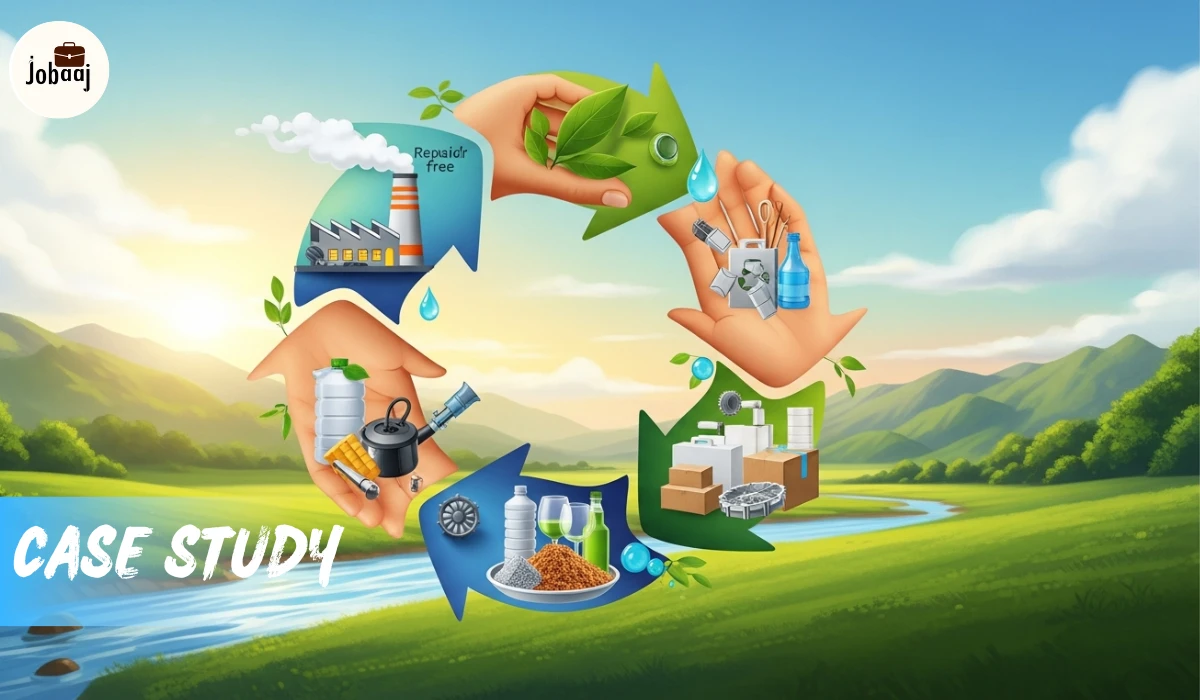
At its core, the circular economy is about closing the loop. In a linear economy, products are made, used, and then discarded. In a circular economy, the focus is on reducing waste, reusing materials, and recycling in a way that keeps resources in use for as long as possible. The goal is to create a system where waste is minimized and resources are kept in circulation.
The key principles of the circular economy are:
-
Design for longevity: Products are made to last, be repaired, and be reused.
-
Keep products in use: Instead of throwing away, we repair, refurbish, or recycle products.
-
Regenerate natural systems: Rather than depleting the earth's resources, we seek to restore and regenerate natural systems, such as using renewable energy or supporting biodiversity.
By adopting this model, businesses, governments, and consumers can move away from a “throwaway culture” and instead embrace a sustainable, regenerative approach to production and consumption.
Findings from Circular Economy Success Stories
Several industries have already begun embracing circular economy principles, and the results are promising. Here’s a look at how different sectors are adopting circular models and what they’ve achieved:
1. Fashion and Apparel
The fashion industry is notorious for its wastefulness. According to a report by the UN Environment Programme, 92 million tons of textile waste are produced every year. The rise of fast fashion has contributed to this crisis, with cheap, disposable clothing filling up landfills across the globe.
But things are changing. Forward-thinking companies are incorporating circular economy principles:
-
Clothing Take-Back Programs: Some brands now offer customers the ability to return old clothes for recycling or upcycling, turning them into new items instead of throwing them away.
-
Recycled Materials: More companies are designing clothing made from recycled materials, like plastic bottles or fabric scraps.
-
Durable and Repairable Clothing: Some brands are focusing on creating high-quality, long-lasting items that can be repaired rather than replaced.
Impact: By embracing circularity, these companies have not only reduced their environmental impact, but they’ve also attracted a loyal customer base that values sustainability. This has led to both financial savings and brand growth.
2. Electronics and Technology
The tech industry is another big contributor to the waste crisis, with millions of tons of electronic waste (e-waste) being discarded annually. But, like fashion, tech companies are beginning to embrace the circular economy model:
-
Modular Design: Companies are designing phones, laptops, and other electronics with removable and replaceable parts, allowing for easy repairs.
-
Refurbishment Programs: Many tech giants now offer trade-in or refurbishment programs, allowing customers to return old devices for credit or get them repaired and resold.
-
E-Waste Recycling: Companies are partnering with e-waste recycling firms to ensure that old electronics are properly dismantled and reused.
Impact: These changes have helped companies reduce waste and extend product life cycles, while also saving costs on raw materials. They’ve also gained positive consumer sentiment from eco-conscious buyers.
3. Packaging and Waste Management
Plastic waste is a massive environmental issue. Companies are now shifting toward sustainable packaging that is reusable, recyclable, or compostable.
-
Refillable Systems: Brands like Loop are providing consumers with refillable packaging systems for products like shampoo and detergent, which can be returned, cleaned, and reused.
-
Compostable Materials: The use of compostable packaging made from plant-based materials has gained traction as an alternative to traditional plastic.
-
Packaging Reduction: Many companies have begun reducing the amount of packaging used in their products, opting for simpler, more sustainable alternatives.
Impact: These changes have resulted in a reduction in plastic pollution and a growing consumer base eager to support environmentally responsible companies.
Results and Benefits of the Circular Economy
Embracing the circular economy has led to several positive outcomes across industries:
-
Environmental Impact: Circular practices have helped reduce carbon footprints, waste, and the depletion of natural resources.
-
Economic Growth: By recycling and reusing materials, companies have saved on raw material costs and created new revenue streams.
-
Job Creation: The shift toward sustainable industries has created a host of new jobs in recycling, design, and renewable energy sectors.
-
Consumer Loyalty: More consumers are choosing brands that are eco-conscious, leading to increased brand loyalty and higher sales for companies that embrace sustainability.
Challenges and Limitations
While the circular economy holds great promise, it’s not without its challenges. Some of the key barriers to widespread adoption include:
-
High Initial Costs: Transitioning to circular systems often requires significant investment in new processes, technologies, and infrastructure.
-
Consumer Behavior: Convincing consumers to change their habits, such as returning products or paying higher prices for sustainable goods, can take time.
-
Technology and Innovation Gaps: Recycling technologies are still developing, and many materials are difficult to recycle.
However, businesses that have made the switch are finding that the long-term benefits far outweigh these initial hurdles. Innovation and consumer education are key to overcoming these challenges.
Conclusion
The circular economy is more than just a buzzword it’s a transformative model that’s reshaping industries and challenging the traditional linear approach to consumption. By focusing on reducing waste, reusing materials, and designing for longevity, businesses can help build a more sustainable and resilient future.
As we move into 2026, the circular economy will play an increasingly important role in addressing global challenges such as climate change, resource scarcity, and environmental degradation. Consumers, businesses, and governments alike have a shared responsibility to embrace this model, ensuring a healthier planet and a brighter future for generations to come.
FAQs
The circular economy model is a sustainable approach to production and consumption that focuses on reducing waste, reusing materials, and designing products to last. It aims to close the loop of product lifecycles by ensuring that products and materials are reused, refurbished, or recycled.
The circular economy is crucial because it addresses global challenges like resource depletion, waste management, and climate change. By embracing circular principles, businesses and consumers can reduce their environmental footprint, conserve resources, and create a more sustainable future.
Businesses that adopt circular economy practices can reduce costs, increase resource efficiency, create new revenue streams, and improve brand loyalty by appealing to environmentally conscious consumers. It also helps companies comply with growing environmental regulations.
Some challenges include the high initial investment required for infrastructure changes, consumer behavior shifts, and technological gaps in recycling and waste management. Overcoming these barriers requires innovation, collaboration, and consumer education.
Yes, the circular economy model can be applied to various industries, including fashion, electronics, manufacturing, packaging, and more. The principles can be adapted to suit the needs and capabilities of different sectors, helping reduce waste and promote sustainability.
As global sustainability efforts continue to grow, the circular economy is expected to become mainstream. With advances in technology, better recycling methods, and increased consumer awareness, the circular economy will likely play a key role in shaping the future of business and environmental conservation.