
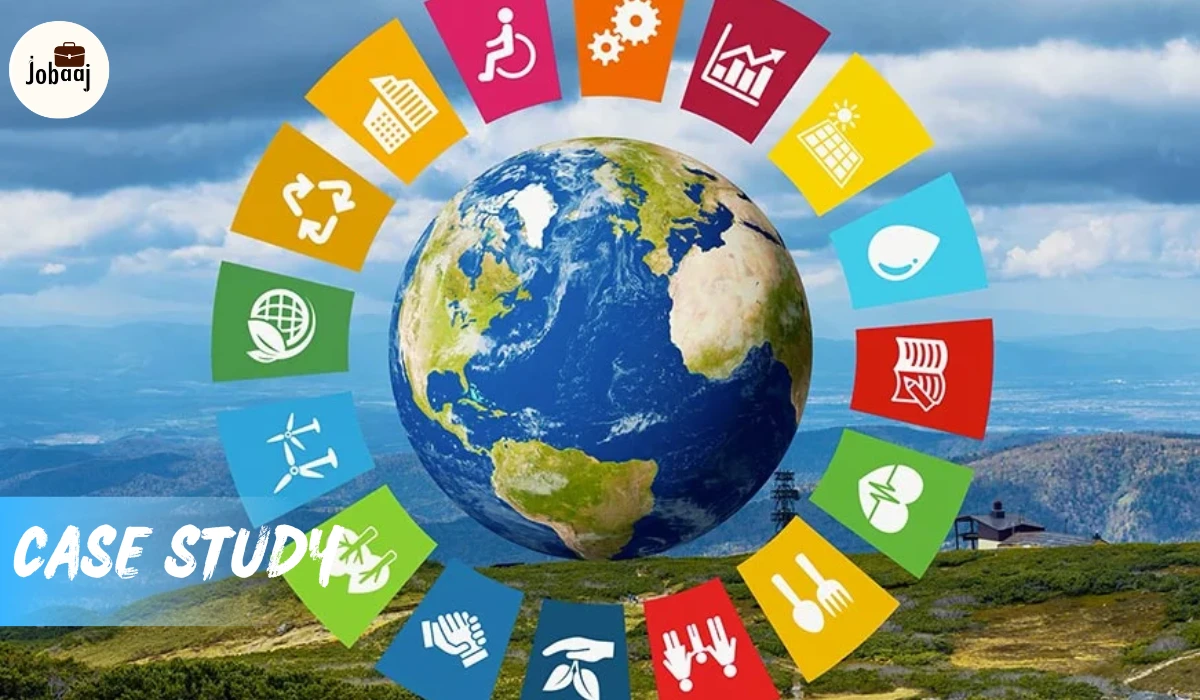
In the face of the global challenges brought on by climate change, inequality, poverty, and rapid technological advancements, the United Nations' Sustainable Development Goals (SDGs) have emerged as a comprehensive framework for global action. Adopted in 2015 by all 193 member states of the UN, the SDGs consist of 17 goals with a clear vision to achieve a more sustainable, equitable, and prosperous world by 2030. These goals cover a broad spectrum, from eradicating poverty to combating climate change and fostering peace and justice.
This case study explores the role of the SDGs in shaping global policies. By examining how the SDGs have influenced governmental, corporate, and civil society actions, we can better understand the ripple effect they’ve had on policy-making across different levels.
The Problem
Before the establishment of the SDGs, the world faced numerous pressing challenges. Policies were often fragmented, with countries pursuing their development goals independently, resulting in uneven growth, a widening gap between rich and poor, and unsustainable consumption patterns. Some of the most significant issues included:
-
Poverty and Inequality: Despite progress in certain regions, poverty and inequality persisted, especially in developing nations, leading to a lack of basic services like clean water, education, and healthcare.
-
Environmental Degradation: Unsustainable industrialization, deforestation, pollution, and climate change were rapidly depleting the earth’s resources, leading to ecosystem damage and rising global temperatures.
-
Conflict and Governance: Political instability, war, and poor governance exacerbated social tensions and economic instability, often preventing long-term development efforts.
The SDGs emerged as a blueprint to address these complex issues holistically, with the aim of fostering a world where no one is left behind.
The Solution
The SDGs have provided a universal set of objectives for governments, international organizations, and the private sector to work towards. By offering a shared vision and a comprehensive roadmap, the SDGs have helped align national policies with global priorities.
1.Aligning National and International Policies:
Countries around the world have aligned their development strategies with the SDGs. For instance, many nations incorporate the SDGs into their national development plans, ensuring that domestic policies are in line with global targets.In 2026, several countries have integrated SDG-driven goals into their climate policies, labor laws, health systems, and educational frameworks.
2.Promoting Inclusive Growth:
The SDGs have influenced policies that ensure economic growth is inclusive and benefits all sections of society. For example, SDG 8 (Decent Work and Economic Growth) emphasizes creating jobs that offer fair wages and working conditions. In response, several countries have launched initiatives to reduce income inequality through progressive taxation and wealth redistribution policies.
3.Environmental Policies and Climate Action:
SDG 13 (Climate Action) has shaped global climate policies, such as the Paris Agreement, where countries commit to reducing carbon emissions and investing in renewable energy. In 2026, governments and corporations have committed to green energy, electric transportation, and reducing waste as part of their climate action strategies.
4.Encouraging Global Partnerships:
SDG 17 (Partnerships for the Goals) emphasizes collaboration between governments, the private sector, and civil society. This has resulted in global partnerships that address a range of issues from providing education in remote areas to improving water and sanitation in impoverished regions.
Findings
Over the years, the SDGs have had a profound impact on the development of global policies. Key findings include:
1.Increased Accountability and Transparency:
Governments are now more accountable to their citizens and international communities when it comes to fulfilling SDG targets. Global monitoring systems, such as the UN’s SDG Dashboard, track progress and allow policymakers to adjust strategies accordingly.
The SDGs have encouraged the publication of annual reports on progress, fostering transparency and informing the public of their country's commitments.
2.Enhanced International Cooperation:
The SDGs have fostered greater international cooperation. For example, cross-border initiatives for tackling global health crises, such as the WHO’s work on pandemic preparedness (linked to SDG 3 – Good Health and Well-being), have strengthened international health systems.
Regional collaborations on SDGs like affordable energy (SDG 7) and quality education (SDG 4) have proven effective in promoting shared objectives.
3.Private Sector Engagement:
In 2026, businesses have become increasingly involved in SDG implementation, realizing the value in contributing to global goals. Many corporations are aligning their sustainability strategies with the SDGs to improve their corporate social responsibility (CSR) profiles and market share.
Industries such as tech, manufacturing, and finance are embracing green technologies, ethical labor practices, and sustainable resource management in line with SDG-driven frameworks.
4.Impact on Local Communities:
On the ground, SDG policies have translated into tangible improvements. For instance, rural development initiatives, such as improving access to clean water (SDG 6), have had a direct impact on public health and education in underdeveloped regions. The improvement in local economies has also resulted from better infrastructure, investments in education, and poverty alleviation programs aligned with SDGs.
Results
By 2026, the results of SDG-aligned policies have begun to materialize:
-
Reduction in Poverty: Global poverty rates have decreased significantly, particularly in Asia and Sub-Saharan Africa, where economic growth is now being driven by SDG-focused policies.
-
Improved Education and Health: Quality education (SDG 4) and health services (SDG 3) have improved due to increased investments in these sectors. Access to healthcare has expanded, and literacy rates have risen, especially in developing nations.
-
Environmental Protection: Climate action (SDG 13) has led to reductions in greenhouse gas emissions, deforestation, and pollution, with more countries meeting international climate targets.
-
Gender Equality and Empowerment: SDG 5 (Gender Equality) has led to better representation of women in politics, the workforce, and education, while global initiatives have worked to reduce gender-based violence and discrimination.
Challenges and Considerations
While the SDGs have had a positive influence on global policies, there are still challenges to address:
-
Financing and Resources: Many countries, particularly low-income nations, still face challenges in securing the financing needed to implement SDG initiatives effectively. International aid, investments, and private sector involvement remain crucial to closing these gaps.
-
Political Will and Commitment: In some regions, political instability and insufficient political will have hindered progress toward the SDGs. Strong leadership and policy coherence are necessary to overcome these challenges.
-
Data Collection and Monitoring: Accurate data is key to assessing progress. However, in many developing countries, data collection systems are still lacking, making it difficult to monitor SDG achievements accurately.
Conclusion
As we move toward 2030, the SDGs continue to be a guiding framework for policymakers, businesses, and civil society to address the world's most pressing challenges. In 2026, global policies are increasingly aligned with the SDGs, showing that international cooperation, integrated planning, and strong leadership are the pillars of sustainable development.
While challenges remain, the SDGs have demonstrated that with collective effort and strategic investments, significant progress can be made. As nations and industries work together toward a sustainable future, the SDGs will undoubtedly play a key role in shaping global policies for years to come.
FAQs
The Sustainable Development Goals (SDGs) are a set of 17 global goals set by the United Nations in 2015, aimed at addressing the world's most pressing challenges such as poverty, inequality, environmental degradation, and peace. They provide a comprehensive framework to achieve a sustainable and inclusive world by 2030.
The SDGs have significantly influenced global policies by offering a universal framework that aligns national and international development efforts. Governments, businesses, and civil society groups have adopted SDG-driven strategies to foster economic growth, environmental protection, and social equality, ensuring that global policies contribute to sustainable development.
SDG-driven policies have played a crucial role in addressing poverty by promoting inclusive economic growth, improving access to basic services like healthcare and education, and increasing investments in poverty alleviation programs. By 2026, many countries have seen a reduction in poverty rates, particularly in Asia and Sub-Saharan Africa, where SDG-based policies have been implemented with a focus on social and economic inclusivity.
The main challenges to SDG implementation include lack of financing, political will, and the absence of strong data collection systems in some regions. Low-income countries often struggle to secure the necessary resources to implement SDG-driven projects effectively. Additionally, political instability and insufficient political commitment can hinder progress in achieving these global goals.
The SDG framework has fostered greater international cooperation, with countries working together to address global issues such as climate change, inequality, and access to clean water. SDG 17 (Partnerships for the Goals) has been particularly influential in promoting cross-border collaborations and building partnerships between governments, private sectors, and civil society groups.