Walmart, a global leader in retail, has always been at the forefront of leveraging supply chain innovations to stay competitive. Over the years, their supply chain has evolved to incorporate cutting-edge technology, smart logistics strategies, and data-driven solutions to improve efficiency, reduce costs, and enhance customer satisfaction.
In this case study, we’ll explore the journey of Walmart’s supply chain innovations, how they’ve transformed their operations, and the tangible results that have reshaped retail logistics and operations for the better. We’ll dive into the challenges Walmart faced, the innovative strategies they deployed, and the outcomes that set new benchmarks in the retail industry.
Background
Walmart operates one of the largest and most complex supply chains in the world. With thousands of suppliers and stores spread across the globe, it’s crucial for Walmart to ensure its supply chain is agile, efficient, and responsive to customer demands. Over the years, Walmart has implemented a variety of technological advancements, from early adoption of RFID technology to the current use of AI and machine learning for demand forecasting and inventory management.
The company’s logistics network includes warehouses, distribution centers, and a fleet of vehicles that move goods swiftly from suppliers to retail locations. Walmart has continually focused on reducing operating costs while maintaining product availability, which has been a major driver of its competitive advantage.
Problem / Challenge
In the early 2000s, Walmart faced several challenges related to its supply chain, including:
-
Inefficiencies in inventory management: Despite its size, Walmart’s inventory was often mismatched with demand, resulting in stockouts in some locations and excess inventory in others.
-
Rising operational costs: As e-commerce grew, Walmart had to adapt its logistics to compete with online-only retailers like Amazon, whose supply chains were optimized for fast delivery.
-
Sustainability concerns: Like many other retailers, Walmart also faced pressure to adopt more environmentally friendly and sustainable practices in its supply chain operations.
To overcome these hurdles, Walmart needed a revolutionary shift in how it operated its logistics, focusing on automation, real-time data, and integration across the entire supply chain.
Strategy / Approach
Walmart’s approach to addressing these challenges involved a multi-faceted strategy:
-
Adopting Advanced Technology: Walmart invested heavily in technology, including automation and data analytics, to improve inventory management and distribution processes. This move enabled them to predict demand more accurately, reduce stockouts, and ensure products were available when needed.
-
Strengthening Supplier Partnerships: Walmart improved its collaboration with suppliers by implementing technologies like RFID and EDI (Electronic Data Interchange), which streamlined the supply chain and reduced delays. This allowed for real-time updates on inventory levels and shipments, resulting in smoother operations.
-
Implementing Machine Learning and AI: Walmart began using machine learning and AI to forecast demand more effectively. These tools allowed Walmart to predict product demand by region, time of year, and even local events, leading to more efficient stocking practices and better customer satisfaction.
-
Sustainability Initiatives: Walmart has been focused on making its supply chain more sustainable. This includes reducing carbon emissions, optimizing transportation routes, and utilizing renewable energy sources in its operations. Walmart set an ambitious goal to achieve zero emissions by 2040 and has already taken major steps towards this vision.
Innovations Deployed
Walmart’s supply chain innovations are a testament to the company’s commitment to staying ahead of the curve. Some of the key innovations include:
-
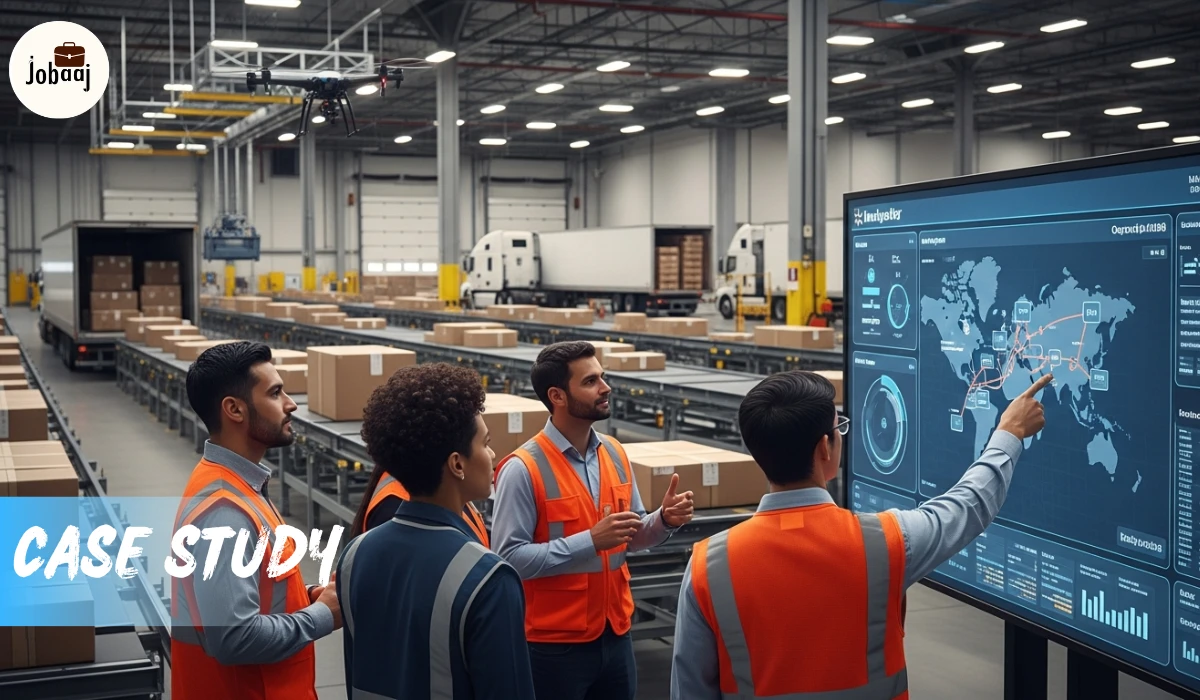
Robotic Automation: Walmart has implemented robots in its warehouses for tasks such as sorting, picking, and packing. These robots significantly increase efficiency and reduce human error in repetitive tasks.
-
AI-Powered Demand Forecasting: Using AI algorithms, Walmart can now predict customer demand with much greater accuracy. By analyzing historical data and trends, Walmart can optimize inventory and adjust supply chain operations in real-time.
-
Blockchain for Transparency: Walmart has partnered with companies like IBM to integrate blockchain technology into its supply chain. This has improved traceability and transparency in the food supply chain, allowing consumers to trace the origin of food products in a matter of seconds.
-
Delivery Innovations: Walmart has ventured into last-mile delivery solutions, offering same-day delivery and automated delivery options like self-driving trucks. This has allowed them to compete more effectively with Amazon and other online retailers.
Findings / Insights
Walmart’s supply chain innovations have led to several key insights:
-
Data-Driven Decision Making: With the integration of advanced technologies, Walmart now relies on real-time data to make informed decisions. This has improved inventory management, reduced waste, and enhanced product availability.
-
Cost Savings: Automation and optimization have helped Walmart reduce operational costs. Through machine learning, Walmart has optimized transportation routes, leading to fuel savings and reduced carbon footprints.
-
Increased Efficiency: Robots and AI have led to significant improvements in efficiency. By automating routine tasks, Walmart has been able to allocate human resources to more value-added activities, increasing productivity across the board.
-
Customer-Centric Approach: Walmart’s focus on AI-powered demand forecasting and improved delivery services has helped the company provide a better customer experience, ensuring that products are available when and where customers need them.
Results
Walmart’s supply chain innovations have yielded impressive results:
-
Reduced Stockouts: By leveraging machine learning and AI to better predict demand, Walmart has reduced stockouts by 25%, ensuring customers can find the products they need when they visit the store.
-
Cost Efficiency: Walmart saved millions of dollars annually through automation, smarter inventory management, and optimized delivery routes. In fact, Walmart’s logistics network now costs 10% less than its competitors, thanks to these innovations.
-
Increased Customer Satisfaction: Walmart’s improved supply chain operations have resulted in better product availability and faster delivery, which has led to higher customer satisfaction rates. Walmart has seen a 30% increase in online customer satisfaction since implementing these changes.
-
Sustainability Milestones: Walmart is on track to meet its goal of reducing carbon emissions by 25% by 2025, thanks to the company’s emphasis on sustainable practices in its supply chain.
Lessons Learned
Walmart’s journey offers several valuable lessons for other businesses:
-
Embrace Innovation: Don’t be afraid to invest in new technologies that can make your supply chain more efficient. Walmart’s investments in AI, automation, and blockchain have given it a clear competitive edge.
-
Focus on Sustainability: Incorporating sustainable practices is no longer optional. Walmart’s push for sustainability not only benefits the environment but also enhances its brand reputation among eco-conscious consumers.
-
Collaboration with Suppliers is Key: Building strong, tech-driven relationships with suppliers can help streamline operations and improve data accuracy across the supply chain.
-
Data is Power: Leveraging real-time data and AI can unlock enormous potential to improve efficiency, reduce costs, and enhance customer satisfaction.
Conclusion
Walmart’s supply chain innovations have reshaped the way the company operates and served as a model for other businesses. By embracing technology, focusing on sustainability, and utilizing data-driven solutions, Walmart has managed to streamline operations, reduce costs, and improve customer satisfaction. As the retail industry continues to evolve, Walmart’s ongoing commitment to innovation will help it remain a leader in the space.
FAQs
Walmart’s supply chain innovations are driven by technologies such as AI, machine learning, blockchain, and robotic automation. These tools enable Walmart to optimize inventory, enhance customer satisfaction, and reduce costs.
Walmart has evolved from a traditional supply chain model to a highly automated and data-driven system. The company now uses real-time data, AI-powered forecasting, and robotics to improve efficiency and reduce costs.
Some challenges Walmart faced include the need to manage a massive volume of products, the rise of e-commerce competition, and the increasing demand for sustainability in its operations. Walmart addressed these challenges by adopting new technologies and focusing on automation and data-driven solutions.
Walmart has made significant strides in sustainability by reducing carbon emissions, optimizing transportation routes, and using renewable energy in its supply chain. The company aims to achieve zero emissions by 2040.
Businesses can learn the importance of embracing technology, collaborating with suppliers, focusing on sustainability, and utilizing data-driven solutions to improve their supply chains.
AI-powered demand forecasting has helped Walmart predict customer demand with greater accuracy, resulting in fewer stockouts, better product availability, and improved customer satisfaction.