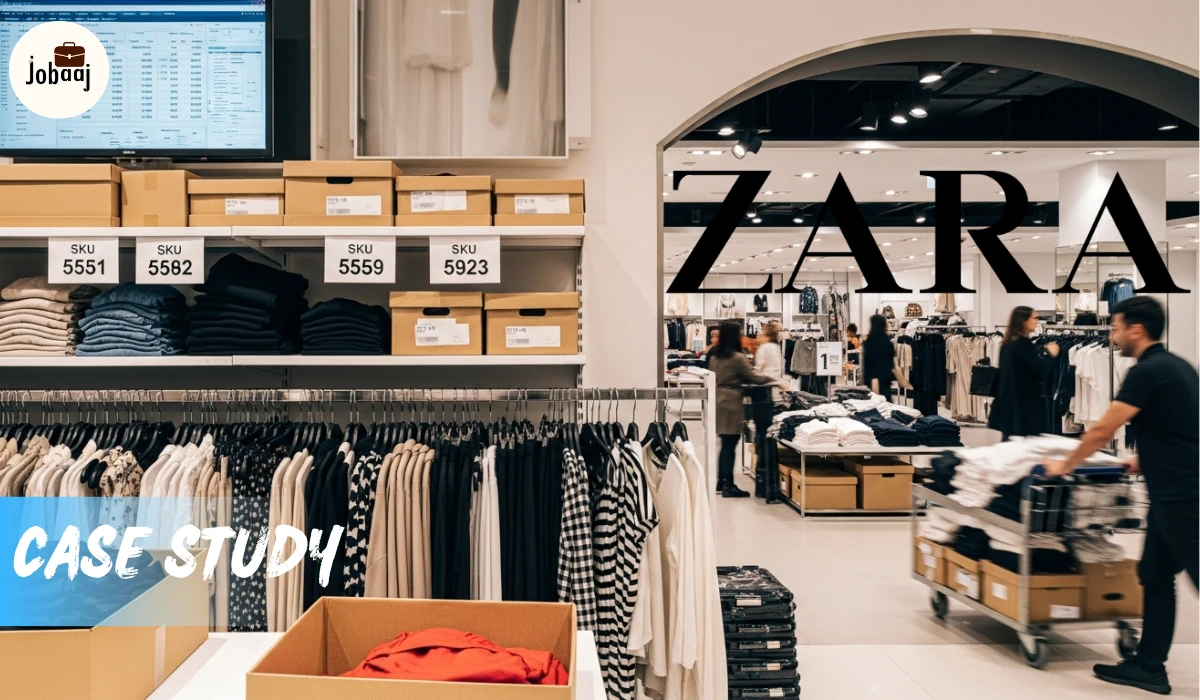
Zara, the flagship brand of the Inditex group, has long been a leader in the fast fashion industry. With its unique approach to inventory management, Zara has successfully revolutionized the way fashion is designed, produced, and sold. The brand's ability to rapidly respond to market demands and deliver trendy apparel at affordable prices has given it a significant competitive edge. In this case study, we will dive deep into Zara’s inventory management strategies and explore how it has become a key factor in Zara’s success in the fast fashion industry.
Background
Zara operates a business model that revolves around speed and responsiveness. As a fast fashion brand, Zara aims to offer new clothing styles to customers within weeks, not months, of identifying a trend. To achieve this, the company requires a highly efficient and effective inventory management system that can adapt to constantly changing consumer demands.
Zara’s supply chain is one of the most innovative in the industry. It is designed to minimize the time from design to distribution, allowing Zara to release new designs quickly and respond to consumer preferences with agility. This system also ensures that Zara doesn’t overstock its stores, making it unique compared to traditional fashion retail brands.
Problem / Challenge
The fast fashion industry is known for its rapid production cycles and demand for trend-sensitive inventory. Zara faces several challenges in its inventory management:
-
Supply Chain Speed: Traditional fashion retailers often have long lead times for inventory replenishment. Zara’s challenge is to keep its production and logistics moving quickly to deliver fresh products while maintaining cost-efficiency.
-
Stock Management: Zara has to deal with the risk of having too much or too little inventory in its stores. Too much stock can lead to markdowns, while too little inventory results in missed sales opportunities.
-
Consumer Demand Fluctuations: Predicting customer preferences and demand is always a challenge, especially in fashion, where trends change rapidly.
-
Global Scale: Zara operates in more than 90 countries, and managing inventory efficiently across its global network is a huge challenge.
Strategy / Approach
To address these challenges, Zara employs several key strategies in its inventory management system:
-
Vertical Integration: Zara owns a significant portion of its supply chain, including its design, production, and distribution processes. This gives the company more control over its operations and allows it to react faster to trends.
-
Quick Response System (QR): Zara uses a quick response system to quickly restock popular items and pull out items that aren't performing well. This system is powered by a data-driven approach, where real-time sales data from stores around the world helps Zara adjust its production and inventory planning.
-
Frequent Inventory Turns: Zara’s business model is based on frequently replenishing its inventory with new, on-trend products. Typically, the company turns over its stock about 10-12 times per year. This rapid stock turnover keeps the product offering fresh and encourages customers to purchase before items are gone.
-
In-House Manufacturing: Unlike many fast fashion competitors, Zara maintains a significant portion of its manufacturing capabilities in-house or in nearby countries like Spain and Portugal. This allows Zara to reduce production lead times and quickly replenish stock.
-
Smart Inventory Management System: Zara utilizes a sophisticated inventory management system that integrates data from sales, stock levels, and customer demand. The company uses this system to predict which products should be produced in higher quantities and which should be phased out.
-
Store-Level Control: Each Zara store is responsible for its own inventory management. The store managers receive frequent deliveries of new stock and adjust inventory levels based on real-time sales data. This decentralized control ensures that Zara stores are responsive to local demand.
-
Limited Stock Production: Zara produces limited quantities of each item, which creates a sense of urgency among customers. This also minimizes the risk of overproduction and excess inventory.
Innovations Deployed
Some of the key innovations Zara has deployed to maintain its position as a leader in fast fashion include:
-
RFID Technology: Zara has integrated RFID (Radio Frequency Identification) technology into its inventory management system. This allows for real-time tracking of each item in the store and warehouse. RFID tags enable Zara to monitor stock levels, identify missing items, and ensure efficient inventory turnover.
-
Centralized Distribution Hub: Zara uses a highly efficient, centralized distribution hub in Spain that processes millions of garments daily. From this hub, products are quickly dispatched to stores across the globe.
-
Agile Supply Chain: Zara's ability to rapidly adjust to consumer demand is largely due to its agile supply chain. The company continuously monitors sales patterns and responds by sending new inventory to stores on a weekly basis.
-
Data-Driven Decisions: Zara collects and analyzes data from various sources, including sales, inventory, and customer feedback. This allows them to optimize their inventory levels and make quick decisions regarding production and distribution.
Findings / Insights
From analyzing Zara’s approach to inventory management, several key insights emerge:
-
Speed is Key: Zara’s ability to quickly design, manufacture, and distribute products is crucial to its success. The quicker a company can get products to market, the more likely it is to capture consumer interest and drive sales.
-
Agility Drives Competitiveness: Zara’s agility in responding to consumer demand sets it apart from other retailers. Its ability to use real-time data to adjust inventory and production decisions gives it a distinct competitive advantage.
-
Efficient Use of Technology: Zara’s use of RFID technology, data analytics, and an integrated supply chain system allows the company to make informed decisions, streamline operations, and reduce stock-outs.
-
Localized Inventory Control: By giving individual store managers control over their inventory, Zara ensures that each location is tailored to its local market, ensuring greater customer satisfaction.
Results
Zara’s supply chain innovations have led to impressive results:
-
Reduced Lead Times: Zara’s ability to go from design to store shelves in a matter of weeks allows it to stay ahead of competitors and capitalize on emerging fashion trends.
-
Faster Inventory Turnover: The quick turnover of inventory ensures that Zara can consistently offer new products, keeping its customers engaged and driving frequent visits.
-
Reduced Waste: By producing limited quantities of each item, Zara minimizes the risk of overproduction, reducing waste and unsold stock.
-
Increased Profitability: Zara's inventory management system has helped the company maintain healthy profit margins by optimizing production costs and reducing markdowns.
-
Customer Loyalty: Zara’s ability to deliver on-trend, high-quality products at a rapid pace has led to increased customer loyalty and brand recognition.
Lessons Learned
Zara’s approach to inventory management offers valuable lessons for other businesses:
-
Agility is Crucial: In fast-moving industries, being able to react quickly to market changes is essential for success. Agile supply chains and real-time data are key to staying competitive.
-
Technology Drives Efficiency: The use of technology, such as RFID and data analytics, plays a critical role in optimizing operations and improving decision-making.
-
Strategic Supplier Relationships: Building strong relationships with suppliers and ensuring flexibility in the supply chain can help businesses maintain product availability and quality.
-
Focus on Customer-Centricity: Zara’s inventory management system is designed to meet customer needs, ensuring that stores are always stocked with the products customers want.
-
Sustainability Matters: Zara’s commitment to minimizing waste and overproduction demonstrates the importance of incorporating sustainability into the supply chain.
Conclusion
Zara’s supply chain innovations have played a pivotal role in its rise to prominence in the fast fashion industry. By embracing technology, agility, and data-driven decision-making, Zara has built a highly efficient and responsive supply chain that allows it to meet consumer demand quickly and efficiently. As the retail industry continues to evolve, Zara’s approach to inventory management serves as a model for companies striving for efficiency, sustainability, and competitiveness in a fast-paced market.
Zara’s ability to adapt to changes in demand, minimize waste, and deliver on-trend products has ensured its continued success. The company’s commitment to innovation and excellence in supply chain management has set a high bar for others in the fashion industry.
FAQs
Zara’s approach to inventory management revolves around agility and efficiency. It uses real-time data, advanced technology, and strong supplier relationships to keep products flowing seamlessly from design to store shelves in record time.
Zara’s inventory management system helps it stay competitive by ensuring that it can quickly adapt to emerging trends and consumer demand. By focusing on short production cycles, real-time data analytics, and just-in-time inventory, Zara can rapidly refresh its offerings while minimizing waste.
Zara uses technologies like RFID, data analytics, and integrated supply chain systems to optimize its inventory management. These tools enable real-time tracking, improve decision-making, and help Zara manage its massive global inventory efficiently.
Zara has strong, strategic relationships with its suppliers, often entering exclusive deals to ensure it has access to high-quality materials at favorable prices. This allows Zara to streamline production and maintain flexibility in its supply chain.
Zara faces challenges such as managing a global supply chain with numerous suppliers, handling supply chain disruptions, controlling costs, and meeting the ever-growing demand for fast fashion. However, Zara addresses these challenges with its flexible, agile supply chain approach and strong reliance on technology.
Zara has focused on sustainability by reducing carbon emissions, optimizing transportation routes, and using renewable energy in its supply chain. The company has committed to achieving zero emissions by 2040 and is implementing circular economy practices, including reusing materials and reducing waste.