We’ve all experienced the excitement of ordering something online, only to be left wondering, “Where exactly is it?” Is it stuck in a warehouse? Has it been delayed in transit? In the past, getting answers to these questions wasn’t easy. However, with the rise of blockchain technology, the way we track products through supply chains is undergoing a massive transformation.
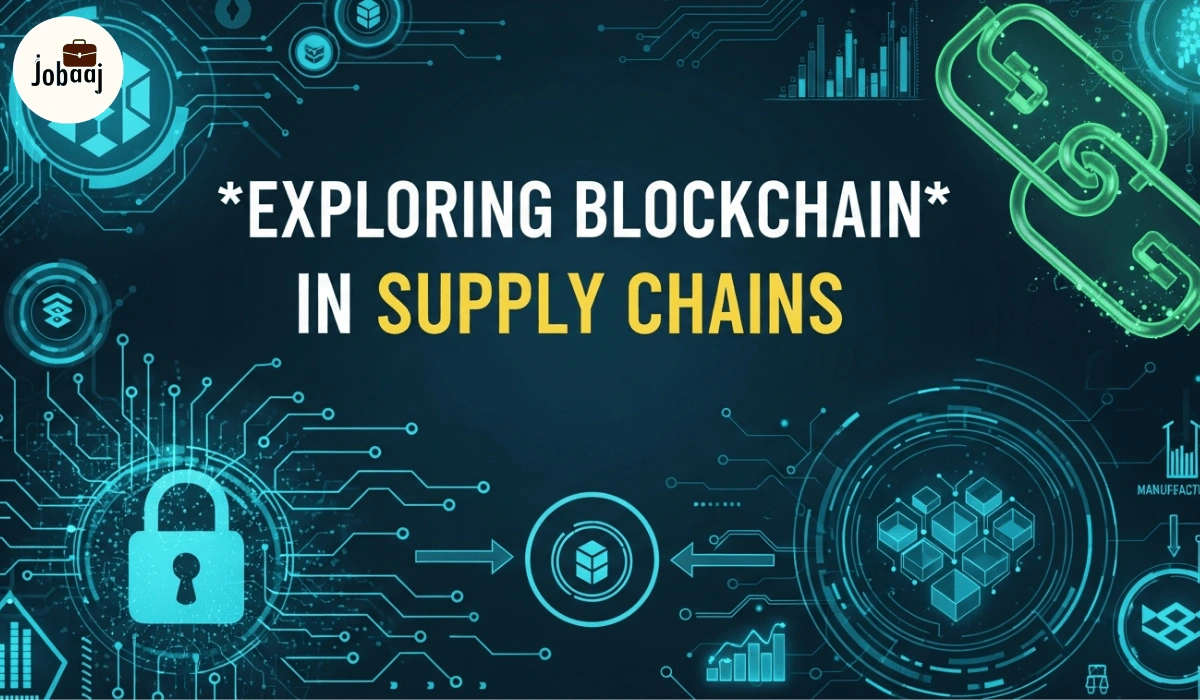
Blockchain, often associated with cryptocurrencies like Bitcoin, is now finding its way into industries far beyond finance. It’s making supply chains more transparent, efficient, and secure, allowing products to be traced from their origin all the way to the consumer’s doorstep in real-time.
So, we’ll take a closer look at how blockchain is revolutionizing supply chain management, improving visibility, and why businesses across the globe are embracing this technology as a solution to today’s most pressing supply chain challenges.
Understanding Blockchain and Its Role in Supply Chains
Before we dive deeper into how blockchain works in supply chains, it’s important to understand the basic concept of blockchain itself. At its core, blockchain is a decentralized, secure digital ledger that records transactions across a distributed network of computers. What makes blockchain unique is that it is transparent and immutable—once something is recorded, it can’t be changed or tampered with. This offers a new level of trust and accountability.
When applied to supply chain management, blockchain offers a digital version of a supply chain journal where every transaction, movement, and action is recorded in real-time. From the moment a product is manufactured, blockchain creates an immutable record that shows every step of its journey. Whether it’s a raw material, a manufactured good, or a shipment moving across borders, blockchain makes it possible to trace its exact path.
This transparency is invaluable in today’s fast-paced world of global supply chains. Companies are now able to track products instantaneously, reducing delays and errors, and ensuring that everything is in the right place at the right time. This is the future of supply chain management—data integrity and real-time visibility.
Key Benefits of Blockchain in Supply Chain Management
Blockchain is offering several game-changing benefits to businesses and consumers alike. Let’s break down how this technology is improving supply chain processes and what it means for businesses and their customers.
Transparency and Traceability
In any traditional supply chain, there are numerous steps a product takes before it reaches the consumer. From manufacturers to distributors to retailers, the product’s path is often opaque, leaving room for confusion and mistakes. Blockchain eliminates this uncertainty by providing real-time tracking at every point in the supply chain. This means businesses, as well as customers, can track the product’s journey from its source to its final destination.
Take the food industry, for example. In the case of a foodborne illness outbreak, blockchain can be used to trace the product’s origin and the exact steps it took to reach consumers. This kind of visibility not only improves accountability but also consumer trust—an important factor in industries where safety is paramount.
Efficiency and Speed
One of the challenges of traditional supply chains is the reliance on manual processes and paper-based systems for tracking and verifying products. This can lead to delays, errors, and inefficiencies. Blockchain introduces automation through smart contracts—self-executing contracts where the terms of the agreement are directly written into lines of code. When conditions are met, actions are automatically carried out, such as making payments or updating inventory.
By automating these processes, blockchain reduces administrative overhead, speeding up decision-making and product movement. For businesses, this means quicker fulfillment, lower costs, and streamlined operations.
Security and Reduced Fraud
One of the major concerns in supply chain management is the risk of fraud—whether that’s counterfeit products, stolen goods, or tampered shipments. Blockchain drastically reduces these risks because of its immutable nature. Every transaction and movement is recorded and time-stamped in a way that is tamper-proof. Once data is added to the blockchain, it cannot be altered or erased.
This built-in security is essential in industries like luxury goods, pharmaceuticals, and electronics, where counterfeiting and fraud can have severe financial and reputational consequences.
Real-World Blockchain Applications in Supply Chains
Now that we understand the core benefits, let’s look at how blockchain is already being used in supply chain management. Several big players are leveraging this technology to optimize their operations, and here are some of the most impressive use cases:
Walmart and IBM’s Blockchain Partnership
Walmart has partnered with IBM to use blockchain for tracking food products in their supply chain. This collaboration allows Walmart to trace the journey of food products from farm to store in seconds, helping to eliminate contamination risks and improve food safety.
Maersk and TradeLens
Maersk, the world’s largest container shipping company, uses a blockchain platform called TradeLens to track shipping containers in real-time. This partnership with IBM has significantly reduced paperwork and processing times, making the entire shipping process faster and more efficient.
De Beers and Blockchain in Diamond Traceability
De Beers, the well-known diamond company, uses blockchain to track diamonds throughout their supply chain. This ensures that diamonds are ethically sourced, preventing conflict diamonds from entering the market. The blockchain system allows De Beers to record and verify every diamond’s journey from the mine to the final consumer, ensuring transparency and trust.
The Future of Blockchain in Supply Chains
As blockchain technology continues to evolve, we can expect even more widespread applications in the future. The next steps will likely include deeper integrations with IoT (Internet of Things) devices, which can monitor products in real-time, or the use of artificial intelligence to predict supply chain disruptions and respond to changing conditions automatically.
Additionally, as more companies adopt blockchain, we’ll see greater collaboration between organizations and industries, leading to more interconnected and efficient supply chains. The potential for blockchain to change global trade and manufacturing is immense, and businesses that adopt this technology early on will be well-positioned to lead the way.
Conclusion
Blockchain technology is revolutionizing supply chain management by offering unprecedented transparency, efficiency, and security. Its ability to track products in real-time, reduce fraud, and streamline operations is changing the way companies interact with their supply chains. While the implementation of blockchain may still be in the early stages for some industries, it’s clear that this technology holds the key to the future of supply chains.
As businesses continue to embrace blockchain, the opportunities to improve transparency, reduce costs, and build trust with customers are endless. The rise of blockchain in supply chain management is not just a trend—it’s the future. For businesses looking to stay ahead of the curve, adopting blockchain technology will be crucial for long-term success and sustainability in the ever-evolving global marketplace.
FAQs
Blockchain in supply chain management is a decentralized technology that records transactions securely and transparently, allowing companies to track the movement of goods in real-time, improve efficiency, and reduce fraud.
Blockchain provides a transparent, immutable ledger where all transactions are recorded, making it easier for stakeholders to verify the origin, movement, and status of products, ensuring full traceability.
Smart contracts are self-executing contracts with the terms of the agreement written into code. In supply chains, they automate tasks like payment processing or inventory updates when conditions are met, reducing manual intervention and delays.
Yes, blockchain can reduce costs by cutting out middlemen, automating processes, and minimizing paperwork, leading to faster transactions and lower operational costs.
Blockchain enhances security by ensuring that all data on the ledger is tamper-proof. This reduces the risk of fraud and counterfeit products, making the supply chain more secure for businesses and consumers.
Major companies like Walmart, Maersk, and De Beers are using blockchain to enhance transparency, efficiency, and security in their supply chains, improving traceability and reducing fraud.