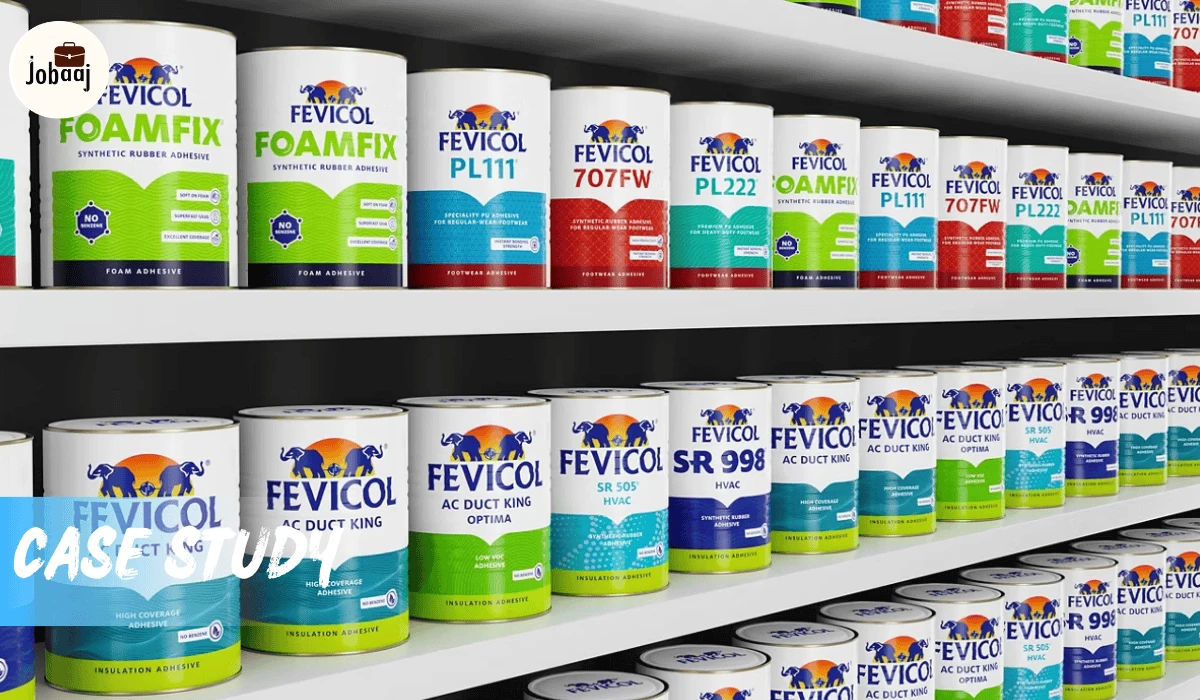
Fevicol's marketing approach has always been focused on more than just selling an adhesive product. Over the years, it has built a strong emotional connection with its consumers, positioning itself as a brand that stands for strength, reliability, and lasting bonds. Rather than simply focusing on the functionality of its products, Fevicol has created a trustworthy image that resonates deeply with people. Its marketing strategy is built around storytelling that taps into everyday moments, helping the brand to stay relevant and meaningful.
This case study will explore how Fevicol’s long-term storytelling strategy helped it carve a unique place in a competitive market and establish itself as a trusted icon known for quality and dependability.
The Challenge
At the outset, Fevicol faced a common challenge in the marketplace: It was competing in a crowded space with a functional product. The world of adhesives was full of competitors, offering products that could glue objects together—so how did Fevicol stand out?
Fevicol had a few hurdles to overcome:
-
Market Saturation: The adhesive market in India was full of players, offering similar products. Fevicol needed a way to differentiate itself from the competition and ensure that its brand was seen as more than just a functional solution.
-
Emotional Disconnect: Adhesives are typically viewed as utility products—necessary but often not thought of beyond their purpose. Fevicol needed to create an emotional connection with its audience, making them see the brand as more than just glue—it had to represent something that stood the test of time.
-
Building Trust: The Indian market has many choices for adhesives, yet Fevicol had to ensure that people didn’t see it as “just another glue.” The challenge was to transform Fevicol from a commodity product to a trusted symbol of long-lasting bonds.
The answer to this challenge? Storytelling. But not just any storytelling—it was purpose-driven storytelling that spoke to the emotional side of its consumers. It was about creating a narrative that resonated with everyday life and connected deeply with people’s values.
Insights and Strategy
Fevicol didn’t just throw marketing messages at its audience. It took a step back and studied the needs, emotions, and habits of its customers. What it discovered was fundamental: Fevicol wasn’t just about sticking things together. It was about bonding—about creating lasting relationships, whether between people, things, or memories. The brand understood that for its consumers, trust was the glue that held everything together.
Here’s what Fevicol found through its research:
-
Emotional Bonding over Functionality: Fevicol realized that humans crave connection—not just physical, but emotional. The brand connected its product’s strength to the strength of relationships. By aligning itself with the core human value of bonding, Fevicol stood for stability and reliability—much more than just an adhesive.
-
Humor as a Bonding Tool: One of Fevicol’s brilliant moves was using humor in its storytelling. The brand understood that humor is an incredible tool to break barriers, engage audiences, and build rapport. Fevicol’s quirky advertisements featuring elephants, furniture, and sometimes outrageous situations made people laugh, but more importantly, they made them remember. The humor felt real and relatable, which helped Fevicol become an emotional part of people’s lives.
-
Storytelling That Resonates: Fevicol’s marketing wasn’t just about selling a product—it was about connecting with people on a human level. Through its campaigns, it emphasized values like trust, reliability, and simplicity, which resonated with consumers’ everyday experiences. This made Fevicol’s ads unforgettable—because they weren’t selling just glue, they were selling values.
-
Cultural Integration: Fevicol’s ads reflected the cultural context in which people lived. The brand’s ability to relate to real-world, everyday situations—be it a carpenter fixing a wooden table or a DIY project at home—made it feel authentic. Fevicol became part of popular culture, not just as a brand, but as a cultural icon.
Impact
Fevicol’s long-term commitment to its storytelling approach brought about remarkable results. The brand didn’t just build awareness—it built trust, loyalty, and consumer evangelism. Here’s how the results panned out:
-
Brand Loyalty: Fevicol built a strong emotional bond with its customers. People didn’t just use Fevicol for its functional benefits; they identified with the brand and its values. Fevicol became part of their life stories, helping them fix and build things that mattered.
-
Increased Sales: Despite being positioned as a premium brand in the adhesive market, Fevicol saw consistent sales growth. People weren’t just buying glue; they were buying quality and reliability. Fevicol’s storytelling made it the go-to choice, even in competitive times.
-
Brand Recognition and Word of Mouth: The humorous and relatable ads not only boosted brand recognition but also made Fevicol a household name. The storytelling approach made Fevicol a talking point—so much so that consumers became brand evangelists, spreading the word to family and friends.
-
Cultural Relevance: Fevicol integrated itself into the cultural fabric of India. People saw it as not just a product but as an icon of trust and resilience. The brand became synonymous with bonding and building relationships, not just physically but emotionally.
Key Takeaways
So, what lessons can we learn from Fevicol’s strategy?
-
Storytelling Creates Emotional Connections: Fevicol’s long-term success shows that when a brand builds its story around real human emotions, it doesn’t just sell a product—it sells a meaningful experience that consumers connect with.
-
Humor Builds Relatability: Using humor as a tool, Fevicol connected with its audience on a personal level, making it a brand that people trusted and laughed with. Humor creates memorable experiences that keep customers coming back.
-
Consistency in Messaging Matters: Fevicol’s consistency in portraying its brand values over decades has helped maintain its relevance. It wasn’t just about the initial campaign, but about creating a long-lasting bond with consumers through continuous messaging.
-
Branding Beyond Products: Fevicol showed that great brands build an identity that’s bigger than their products. By linking itself to the value of trust and reliability, Fevicol became a symbol of something far more significant than just a household adhesive.
-
Cultural Integration Leads to Brand Loyalty: Fevicol’s ability to connect with the cultural and emotional needs of consumers made it a cultural icon. Brands that want to stay relevant should aim to integrate into the lives of their consumers meaningfully.
Conclusion
Fevicol’s long-term storytelling approach has proven that emotion and culture can go hand-in-hand with product marketing. By positioning itself as more than just an adhesive, Fevicol has built a premium brand that resonates with its audience on a deeply personal level. It didn’t just make a sale; it earned trust, created loyalty, and became an integral part of people’s lives.
Fevicol’s approach teaches us that in a world filled with products and noise, the most powerful tool a brand can wield is a story—one that not only sells but also builds lasting connections. Through humor, consistency, and a focus on emotional value, Fevicol has created a timeless brand that continues to lead the way in its industry.
FAQs
Fevicol's storytelling strategy focuses on creating an emotional connection with consumers. It uses humor, relatability, and cultural references to position the brand as a symbol of strength, reliability, and long-lasting bonds.
Fevicol built brand loyalty by aligning itself with emotional values such as trust and bonding. Through consistent, relatable messaging, it made customers feel a personal connection to the brand, making them more likely to remain loyal.
Emotional branding allows Fevicol to go beyond just selling a product. By connecting with consumers on a deeper level, the brand becomes a trusted part of their everyday life, making it more than just an adhesive—it becomes a part of their values and beliefs.
Fevicol stood out by focusing on storytelling that resonated emotionally with consumers. While other competitors focused on the functionality of their products, Fevicol positioned itself as a brand with a deeper purpose, connecting with people through shared values and cultural relevance.
Humor played a key role in making Fevicol’s campaigns memorable. By using humor in its ads, Fevicol was able to engage consumers, making them feel more connected to the brand while also ensuring that the ads were entertaining and relatable.
Other brands can learn that storytelling, emotional connections, and consistency are key to building a strong brand identity. By aligning their messaging with values that resonate with their audience, brands can foster deeper loyalty and long-term success.