The field of UX/UI design has evolved rapidly over the past decade, transforming the way users interact with websites and applications. As we approach 2026, the future of UX/UI design looks incredibly exciting, with new trends and technologies reshaping the way designers approach user experience and interface design. From AI-driven design to immersive experiences, the landscape is set to change in ways that will push creative boundaries and improve usability.
In this guide, we will explore the key trends in UX/UI design for 2026, helping designers and businesses stay ahead of the curve and create experiences that are both engaging and intuitive.
1. AI and Machine Learning Integration in UX/UI
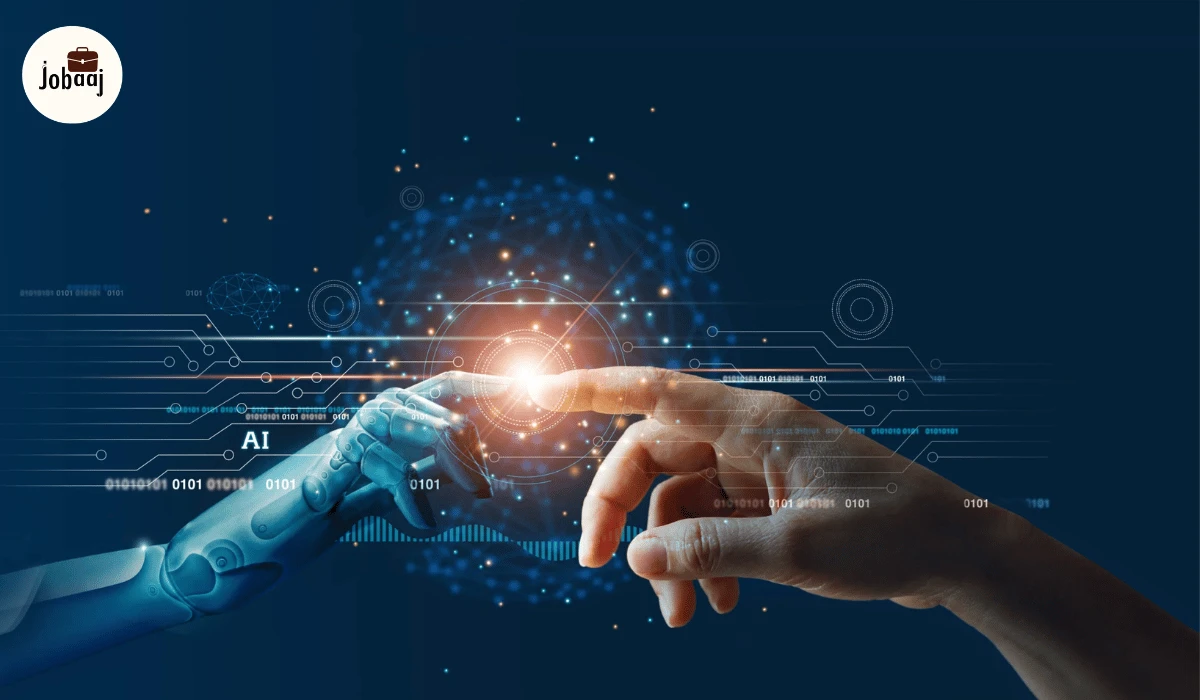
Artificial intelligence (AI) and machine learning (ML) are already transforming multiple industries, and UX/UI design is no exception. In the coming years, AI will become a key tool in creating personalized user experiences. From chatbots to smart assistants, AI will help designers understand user behavior and adapt interfaces accordingly.
- Personalized User Interfaces: AI will enable designers to create interfaces that adapt to individual user needs, preferences, and behaviors in real-time.
- AI-Driven Design Tools: Designers will increasingly use AI-powered tools like Adobe Sensei or Figma’s AI plugins to automate mundane tasks such as layout design, color schemes, and even content generation.
- Predictive User Experiences: With machine learning, websites and apps will anticipate user actions, offering tailored suggestions or automating processes to improve efficiency.
Example: Imagine an e-commerce site that suggests products based on previous browsing behavior, purchase history, and even seasonal preferences. With AI, this personalization will reach new levels, creating a more intuitive shopping experience.
2. Voice User Interface (VUI) and Conversational Design
As voice assistants like Siri, Alexa, and Google Assistant become commonplace, Voice User Interface (VUI) design is expected to take center stage in 2026. Voice interactions will become more intuitive, allowing users to engage with devices through natural language.
- Seamless Integration with Smart Devices: VUI will be integral to creating cross-platform experiences, allowing users to interact with everything from smart speakers to wearable devices.
- Natural Language Processing (NLP): The ability to process human language in a way that feels authentic and conversational will improve the overall user experience.
- Hands-Free Interaction: In industries like healthcare and automotive, where users need hands-free interactions, VUI will be a game-changer.
As voice interfaces evolve, UX/UI designers will need to consider not just the visual experience, but the auditory experience as well, creating fluid interactions that don’t feel forced or mechanical.
3. Augmented Reality (AR) and Virtual Reality (VR) in UX/UI
Augmented Reality (AR) and Virtual Reality (VR) are rapidly becoming essential technologies in UX/UI design. With the rise of AR-enabled devices like smartphones and AR glasses, and the growth of VR in gaming and education, designers are tasked with creating immersive experiences that engage users in new and innovative ways.
- Immersive Shopping Experiences: Imagine being able to try on clothes virtually using your phone’s camera before purchasing. AR in e-commerce will allow users to experience products in their own environment before committing to a purchase.
- Interactive Design for VR: In the VR space, designers will craft interfaces that allow users to interact with virtual environments. This will be particularly impactful in gaming, training simulations, and virtual tourism.
Think of a travel website using AR to allow users to virtually explore a destination before booking a flight. This immersive experience will change the way travelers interact with travel platforms.
4. Microinteractions and Animation
Microinteractions those small, often overlooked design elements like button hover effects, animations when loading pages, or notifications are becoming more sophisticated. In 2026, microinteractions will play a key role in making user interfaces feel more dynamic, intuitive, and human-like.
- Enhanced Feedback: Instead of just seeing a page load, users may experience animated progress bars, playful button clicks, and interactive loading icons, making the experience more engaging.
- Interactive Transitions: Smooth animations and transitions will make navigation feel seamless and natural, enhancing the overall user experience.
Microinteractions help create delightful moments that users may not explicitly notice, but which enhance their overall experience and keep them coming back to the app or website.
5. Minimalism and Clean Interfaces
Simplicity in design continues to thrive, and minimalism will dominate UX/UI design in 2026. With increasing content, ads, and distractions across digital platforms, users want a clean and focused interface that allows them to interact without feeling overwhelmed.
- Focus on Core Functionality: Expect fewer elements on screen, with a focus on essential features that allow for intuitive navigation and interaction.
- Whitespace and Typography: Using whitespace effectively and minimalist typography will be key to creating visually appealing and easy-to-navigate designs.
Example: Think of a search engine with only the search bar and a simple, uncluttered layout. Minimalism in design helps reduce cognitive load, ensuring users can find what they’re looking for quickly and easily.
6. Mobile-First Design and Adaptive Interfaces
With mobile traffic continuing to dominate, mobile-first design will be more important than ever in 2026. Designing interfaces that are optimized for small screens and touch interaction is a must for any digital platform.
- Responsive and Adaptive Layouts: UX/UI designers will continue to create websites and apps that automatically adjust to various screen sizes, ensuring seamless experiences across devices.
- Simplified Interactions: Given the smaller screen real estate, interfaces will focus on gestures and swiping rather than traditional navigation.
Mobile-first design isn’t just about smaller screens it’s about creating an efficient, frictionless experience that delivers the best possible user interface on any device.
7. Sustainable and Ethical Design
As users become more conscious of environmental and ethical issues, sustainable design practices are gaining importance in UX/UI. This includes energy-efficient design, data privacy, and inclusive design practices.
- Data Ethics: Ensuring that user data is handled with care and transparency will be crucial for building trust and long-term engagement.
- Sustainable Tech: More tech companies are adopting green hosting services and optimizing designs to be energy-efficient, reducing the environmental impact of digital experiences.
Ethical design goes beyond the screen it’s about aligning your design practices with broader social and environmental values.
8. Personalization with Big Data and Predictive Analytics
As data collection and analytics improve, designers will increasingly rely on big data to deliver highly personalized user experiences. Predictive analytics will help anticipate user needs before they even search for them.
- Dynamic Content: Based on user behavior, websites will offer personalized content, product recommendations, and ads.
- Predictive User Journeys: Anticipate user needs by analyzing behavioral data, allowing for seamless navigation.
Example: An online store could use predictive analytics to suggest products based on the user’s browsing habits, increasing the likelihood of conversion.
9. Enhanced Mobile Experiences
With mobile web usage continuing to rise, optimizing for mobile-first design will be a non-negotiable necessity for designers in 2026.
- Smarter Mobile Interactions: Mobile interfaces will become even more intuitive, with gesture-based navigation and voice search capabilities.
- Progressive Web Apps (PWAs): PWAs will continue to blur the lines between native mobile apps and websites, providing an app-like experience without the need to download apps.
Designers will focus on eliminating friction in mobile interfaces, ensuring that the user experience is seamless and fast.
10. Ethical AI and Inclusive Design
AI has the potential to transform the way we interact with digital products, but it must be designed with inclusivity and ethics in mind. As we move forward, AI must be used to create accessible experiences for everyone, regardless of ability.
- Inclusive AI: AI tools will ensure that digital products are accessible to people with disabilities.
- Bias-Free Design: Designers will need to ensure that AI algorithms don’t perpetuate bias or discrimination.
Example:Designing interfaces that can be used by individuals with visual or motor impairments by incorporating voice navigation and adjustable text sizes.
Conclusion
The future of UX/UI design in 2026 is shaping up to be more immersive, personalized, and sustainable than ever before. With the integration of AI, VUI, AR/VR, and minimalistic design principles, designers have the opportunity to create experiences that are both delightful and efficient. As the digital world continues to evolve, staying ahead of these trends will allow UX/UI designers to shape the future of user interactions in meaningful and impactful ways.
FAQs
The top trends in UX/UI design for 2026 include AI-driven design, voice user interface (VUI), AR/VR experiences, microinteractions, minimalist interfaces, mobile-first design, and sustainable design practices.
AI allows for personalized experiences, predictive designs, and automation of tasks like layout adjustments. It enhances user interaction by anticipating needs and improving user satisfaction.
VUI enables users to interact with devices through voice commands. In 2026, it will become more intuitive, providing hands-free, natural, and seamless interactions with applications and websites.
Minimalist design focuses on simplicity and functionality. It reduces visual clutter, focusing only on essential elements to enhance user experience and make interfaces more intuitive.
Sustainable design focuses on creating energy-efficient and ethically responsible digital experiences. This includes reducing environmental impact through green hosting and protecting user privacy through ethical data handling.