
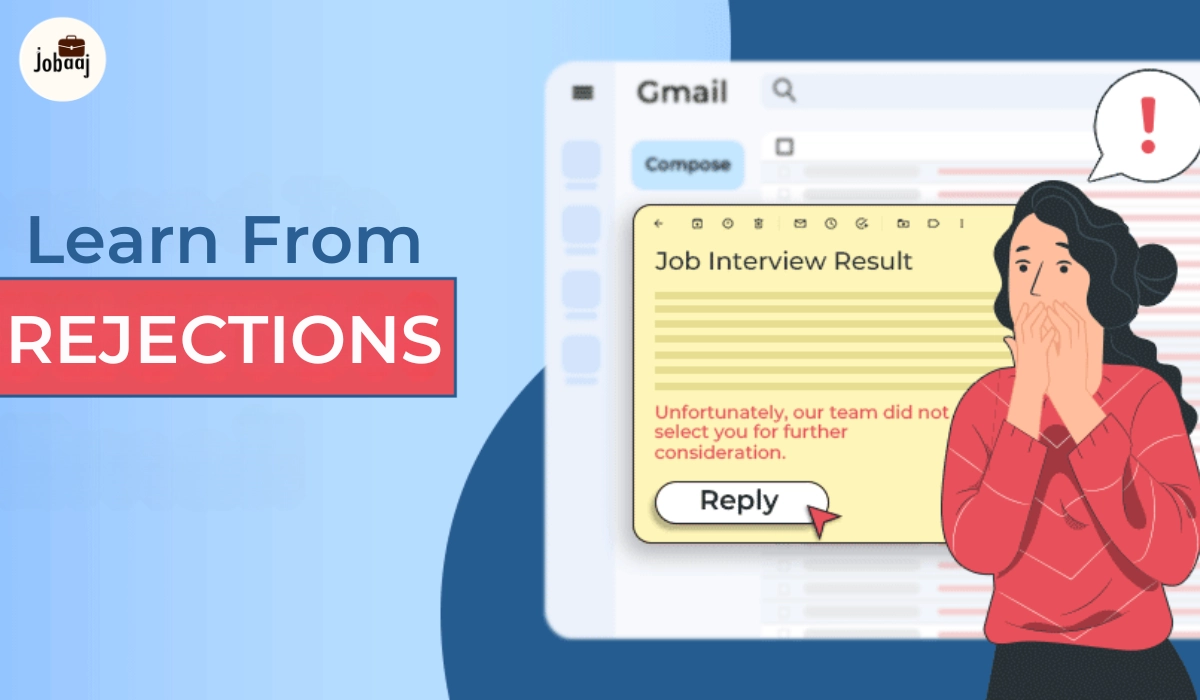
Ever felt that sting of an interview rejection? It’s like missing the winning shot in the final seconds. Disappointing, right? But here’s the secret: rejection isn't the end. It's a detour, a chance to learn and grow.
Think of top athletes. They analyze their missed shots, understand their weaknesses, and come back stronger. You can do the same with job interviews. This article will show you how to turn rejection into a stepping stone towards your dream job.
Turning Rejection into Reflection
First things first, take a deep breath. It’s natural to feel down after a rejection. Allow yourself time to process the disappointment. Then, shift your focus. Instead of dwelling on the "no," see it as an opportunity for growth.
Think of it like this: you just got free, personalized career coaching! The hiring manager saw something that could be improved. Now's your chance to discover what that is and work on it.
Don’t just shrug it off and move on. Dig deeper. The key is asking the right questions. This helps you understand where you fell short and prepare better for next time.
Asking the Right Questions
Reach out to the recruiter or hiring manager. A polite email is perfect. Thank them for their time and express your continued interest in the company. Then, politely ask for feedback.
Here are some questions you could ask:
- Were there any areas where my skills or experience fell short of your requirements?
- What could I have done differently during the interview process?
- Is there any advice you could offer to help me improve my candidacy for future opportunities?
Remember to keep your tone professional and positive. Focus on learning, not contesting their decision. Following up after an interview, even after a rejection, shows initiative and professionalism.
Sometimes, you might not get detailed feedback due to company policies. That’s okay. Don’t get discouraged. You can still reflect on your performance and identify areas for improvement.
Think about the questions you were asked. How well did you answer them? Did you effectively communicate your skills and experience? Were you confident and enthusiastic?
Consider the STAR method: Situation, Task, Action, Result. This is a great framework for structuring your interview answers. It helps you tell compelling stories that showcase your abilities.
Practice makes perfect. Mock interviews with friends or career counselors can be incredibly helpful. They can provide valuable feedback and help you refine your interviewing skills.
Learning from Every Experience
Every interview, even a rejected one, is a learning experience. It’s a chance to hone your interviewing skills, refine your resume, and gain a deeper understanding of your career goals.
Maybe the rejection wasn’t about your skills at all. Perhaps the company culture wasn’t a good fit, or they found someone with more specialized experience. Learning new skills can help you stay competitive.
Don’t take it personally. The job search can be tough, but persistence pays off. Learn from each rejection, keep refining your approach, and you’ll eventually land that dream job.
Conclusion
Rejection is a part of life, and especially a part of the job search. Don't let it define you. Use it as fuel to propel you forward. Embrace the opportunity to learn and grow.
Remember, every "no" brings you closer to a "yes." So, dust yourself off, ask the right questions, learn from your experiences, and keep moving forward.
FAQs
Asking for feedback provides valuable insights into your performance. It helps you identify weaknesses, improve your interview skills, and increase your chances of success in future interviews.
Send a polite email thanking the interviewer for their time and expressing your continued interest. Subtly ask for constructive criticism on your performance, focusing on areas for improvement.
Rejection is tough, but remember it's a part of the job search process. Allow yourself time to process your emotions, then focus on learning from the experience and applying what you've learned to future opportunities.
Carefully review the feedback, identify specific areas for improvement (e.g., communication skills, technical knowledge), and create a plan to address those weaknesses through training, practice, or further education.
By actively seeking feedback, practicing your interview skills, tailoring your resume and cover letter to each job application, and thoroughly researching the company and role, you significantly increase your chances of success.