Retail has transformed into a data-driven ecosystem, where customer experience is no longer shaped solely by product quality or pricing. Retailers today leverage retail analytics to understand customer behavior, optimize store layouts, manage inventory efficiently, and deliver personalized shopping experiences.
This guide explores how retail analytics enhances in-store experiences, the tools and techniques involved, and the measurable impact on sales and customer satisfaction in 2026.
What is Retail Analytics?
Retail analytics refers to the process of collecting, analyzing, and interpreting data from various retail touchpoints to drive smarter decisions. In-store data includes:
- Foot traffic and movement patterns
- Product interactions and shelf engagement
- Purchase history and preferences
- Queue and checkout times
- Loyalty program activity
By analyzing this data, retailers can create optimized store layouts, personalized promotions, and efficient staffing plans, ultimately enhancing the customer experience.
How Retail Analytics Improves In-Store Experience
1. Understanding Customer Behavior
- Track how customers navigate the store, dwell at certain displays, and interact with products.
- Identify popular sections, underperforming zones, and bottlenecks to improve layout and flow.
- Use predictive models to anticipate shopping preferences and purchase likelihood.
2. Personalized Offers and Recommendations
- Analyze loyalty program data and past purchase history to deliver tailored promotions and product recommendations.
- Increase engagement and conversion by presenting customers with relevant deals during their shopping journey.
3. Inventory Optimization
- Use real-time sales data to predict demand, reduce stockouts, and prevent overstocking.
- Optimize shelf placement and stock rotation based on customer purchasing patterns.
- Improves availability of high-demand products, enhancing customer satisfaction.
4. Optimizing Staff Allocation
- Analyze foot traffic and peak hours to schedule staff efficiently.
- Ensure adequate assistance is available when customers need help, reducing wait times and improving service.
5. Enhancing Checkout Experience
- Track queue lengths and transaction times to streamline checkout processes.
- Implement data-driven solutions like self-checkout kiosks or mobile POS systems where necessary.
6. Store Layout & Visual Merchandising Insights
- Heatmaps and customer flow analysis help design effective store layouts.
- Place high-margin or frequently purchased items strategically to increase engagement and sales.
Tools and Techniques in Retail Analytics
- POS Analytics: Analyze sales transactions to understand demand and trends.
- Foot Traffic Sensors & IoT Devices: Measure customer movement and engagement.
- Predictive Analytics Software: Forecast demand, optimize inventory, and anticipate customer behavior.
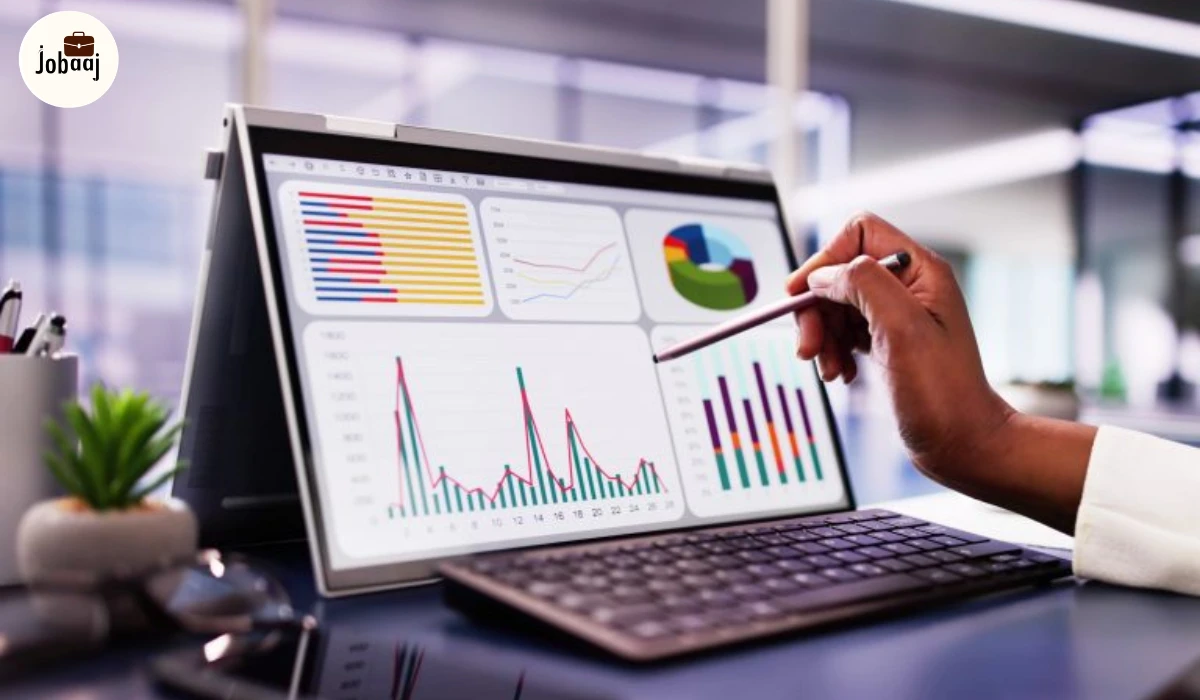
- Data Visualization Tools: Tableau, Power BI for dashboards and actionable insights.
- CRM & Loyalty Data Integration: Provides a holistic view of customer interactions across touchpoints.
Combining these tools enables real-time insights and proactive decision-making, improving both customer experience and operational efficiency.
Benefits of Retail Analytics
- Enhanced Customer Experience: Personalized services and optimized store layouts make shopping seamless.
- Increased Sales & Revenue: Targeted promotions, product placement, and demand forecasting drive higher conversions.
- Operational Efficiency: Better staff allocation, inventory management, and checkout processes reduce costs.
- Data-Driven Decisions: Retailers can make informed decisions rather than relying on intuition.
- Competitive Advantage: Businesses leveraging analytics can anticipate trends and respond faster than competitors.
Conclusion
Retail analytics is revolutionizing in-store experiences by providing insights into customer behavior, operational efficiency, and product performance. By leveraging advanced analytics, predictive models, and real-time data, retailers can personalize the shopping journey, optimize operations, and increase profitability.
In 2026, mastering retail analytics is not just a competitive advantage it’s a necessity for delivering exceptional customer experiences and staying ahead in the retail industry.
FAQs
Retail analytics involves collecting, analyzing, and interpreting data from in-store operations and customer interactions to optimize the shopping experience and business performance.
It helps understand customer behavior, optimize store layout, provide personalized promotions, manage inventory efficiently, and enhance staff allocation.
POS analytics, IoT sensors, predictive analytics software, CRM data, and visualization tools like Tableau and Power BI are commonly used.
Enhanced customer experience, increased sales, operational efficiency, informed decision-making, and competitive advantage are primary benefits.
Yes, predictive models use historical data and trends to forecast buying patterns, product preferences, and demand fluctuations.