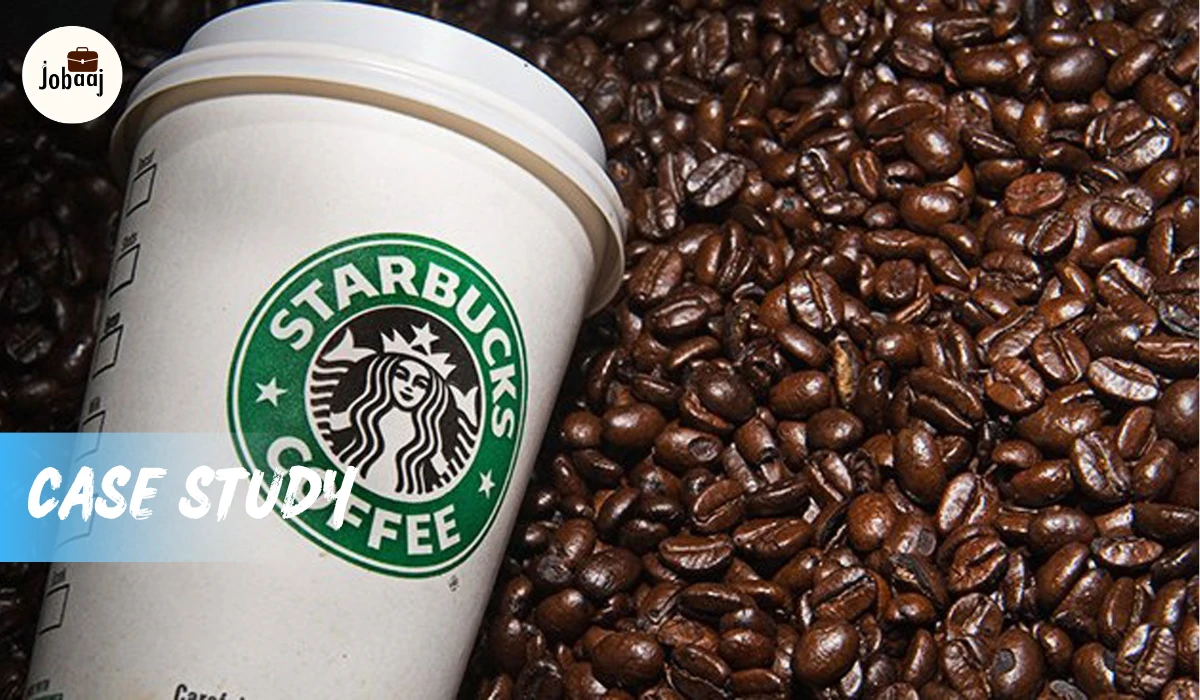
In the late 20th century, coffee in America was predominantly functional cheap, drip-brewed, and consumed quickly at home or in basic diners. When Howard Schultz joined Starbucks in the 1980s and took inspiration from Italian espresso bars, he envisioned something vastly different: a cultural destination.
Rather than positioning stores as quick caffeine stops, Starbucks re-architected its value proposition around human connection, sensory engagement, and atmosphere. This case study examines how shifting focus from product delivery to experience design enabled Starbucks to transform a low-cost commodity into a high-margin luxury brand.
The Problem
Before establishing its modern dominance, Starbucks faced several core strategic hurdles:
-
Commoditization Risk: Plain black coffee carries minimal brand differentiation, making consumers sensitive to price increases.
-
Low Customer Lifetime Value (LTV): Transactional food and beverage sales yield modest revenue unless customers return multiple times a week.
-
Transactional Fatigue: Cold, transactional retail environments fail to build long-term emotional loyalty or community attachment.
-
Scalability Bottlenecks: Replicating a warm, artisanal espresso culture across thousands of global locations without diluting brand identity is notoriously difficult.
The Strategic Approach
To solve these challenges, Starbucks executed an experience-led growth framework structured around four key pillars:
1. The "Third Place" Concept
Starbucks intentionally engineered its stores to serve as the "Third Place"—an accessible, welcoming sanctuary between home (the first place) and work (the second place).
-
Atmospheric Design: Soft lighting, warm earth tones, acoustic music playlists, and comfortable seating invited customers to linger.
-
Sensory Architecture: The rich aroma of freshly ground espresso beans was preserved by banning artificial scents, perfumes, or smoky foods inside stores.
2. Personalization & Human Touch
-
Barista Interactions: Baristas were trained to greet regulars, learn their preferences, and handwrite customer names on cups a simple touch that turned a paper cup into a personal artifact.
-
Endless Customization: Customers gained full autonomy to modify milk choices, syrups, temperatures, and espresso shots, creating a sense of product ownership.
3. Frictionless Digital Experience
Starbucks extended its physical experience into the digital ecosystem through its mobile app and Starbucks Rewards ecosystem.
-
Mobile Order & Pay eliminated queue friction while capturing consumer behavioral data.
-
Gamified reward stars incentivized habitual purchases and boosted customer retention.
Key Findings & Strategic Insights
Analyzing Starbucks' expansion reveals several core business dynamics:
-
Emotional Loyalty Trumps Product Superiority: Blind taste tests frequently show consumers cannot reliably distinguish high-end coffee from mid-tier options. However, customers willingly pay premium prices because they buy into the feeling, ritual, and status associated with the cup.
-
Physical Ambience Justifies Price Margins: High margins (charging $5–$7 for a beverage that costs under $1 to produce) are sustainable when the consumer receives value beyond the liquid—such as free Wi-Fi, comfortable seating, and a quiet workspace.
-
Digital Integration Enhances Store Performance: The Starbucks Rewards app transformed a retail store into an omnichannel experience. Pre-loaded customer balances effectively act as zero-interest loans that fund corporate capital operations.
Results & Business Impact
| Metric / Dimension | Strategic Outcome |
| Global Scale | Grew from a small Seattle bean retailer to 38,000+ stores worldwide. |
| Industry Premium | Successfully commanded 300%–500% higher price points than traditional quick-serve coffee providers. |
| Loyalty Program | Built one of the world's most successful loyalty programs, accounting for over 50% of US store revenue. |
| Brand Equity | Transformed the signature green siren logo and white paper cup into an internationally recognized status symbol. |
Lessons Learned
-
Experience Creates Pricing Power: When you sell a product, you compete on price. When you sell an experience, you compete on value.
-
Consistency Across Touchpoints: A brand experience must be reliable. Whether in Tokyo, New York, or London, a customer expects identical quality, layout, and service standards.
-
Evolve Physical Experiences with Digital Capabilities: Physical environments and mobile applications should complement one another removing friction without destroying human touch.
-
Design for All Five Senses: True brand immersion engages sight, sound, smell, taste, and touch in harmony.
Conclusion
Starbucks demonstrated that the most defensible competitive moat is not necessarily a secret recipe or proprietary technology it is how a brand makes its customers feel. By surrounding a daily routine with comfort, identity, and convenience, Starbucks turned coffee into a lifestyle ritual, proving that experience will always be more powerful than the commodity itself.
FAQs
The "Third Place" is a strategic retail concept where Starbucks positions its stores as a welcoming, comfortable sanctuary between a customer's home (the first place) and work (the second place). It relies on warm lighting, comfortable seating, and ambient music to encourage customers to linger.
Starbucks commands premium prices because consumers are paying for the overarching experience rather than just the coffee bean. The value proposition includes free Wi-Fi, a comfortable workspace, personalized service, and the social status associated with the brand.
The Starbucks Rewards app bridges the physical and digital experience. It removes buying friction through Mobile Order & Pay, gamifies purchases to increase customer retention, and provides the company with deep behavioral data to personalize future marketing efforts.
The core lesson is that experience creates pricing power. By ensuring consistency across all locations, engaging all five senses in physical stores, and integrating seamless digital capabilities, any business can transform a commoditized product into a premium lifestyle brand.