
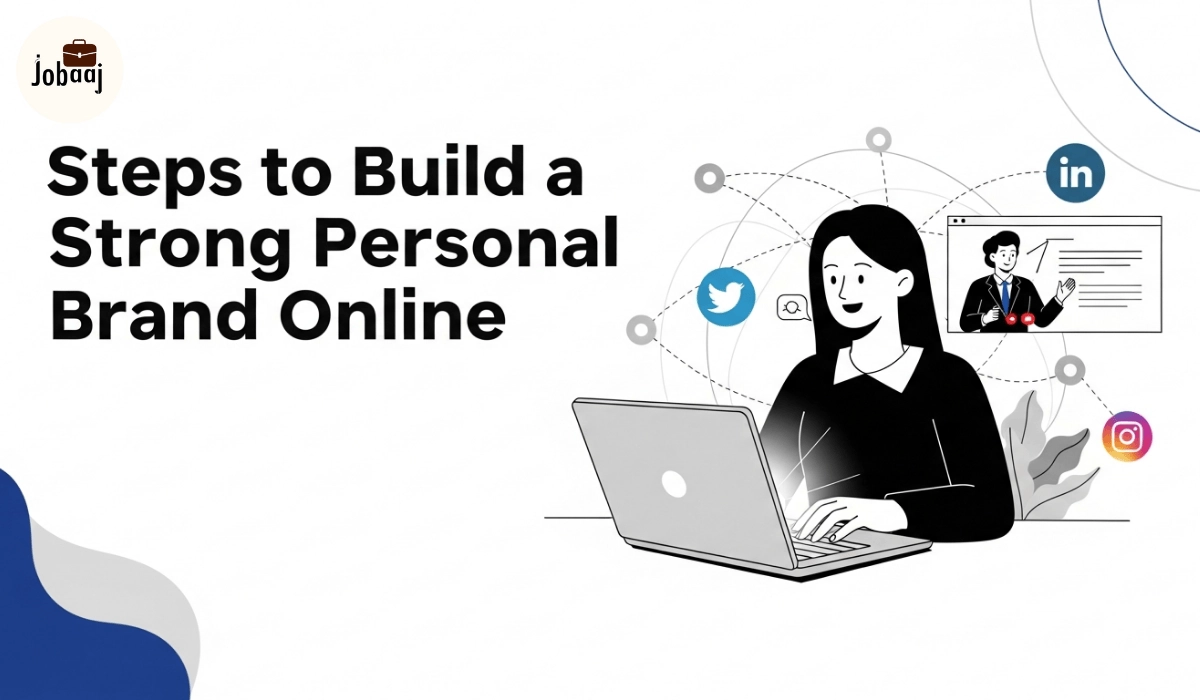
In today’s digital age, having a strong online presence isn’t just an option—it’s essential. Whether you’re an entrepreneur, freelancer, or professional aiming to stand out in your field, your personal brand plays a pivotal role in how others perceive you. It's not just about having a polished profile picture or a catchy bio—it's about telling your story, defining your identity, and offering real value that resonates with your audience.
If you’ve ever wondered how to build a personal brand that authentically represents you and opens doors to new opportunities, you’re in the right place. In this blog, we’ll explore the steps to create a personal brand that’s not only memorable but also meaningful and engaging. Let’s dive into how you can establish a personal brand online that truly connects with others and makes an impact.
1. Discover and Define Your Niche
The first and most important step in building a personal brand online is to define your niche. This is the foundation of your brand—it’s what will set you apart in a sea of other content creators, marketers, and professionals. Think about what you love doing, where your passions and skills intersect, and how you can serve your audience. This is where authenticity plays a huge role. You want to pick a niche that feels right to you, not just something that you think will perform well in search results.
If you’re unsure of where to start, think about what gets you excited. Is it technology, fashion, fitness, or personal finance? Or perhaps you have a unique perspective on leadership, creativity, or personal growth. The goal is to find a space where you can share valuable insights and engage people who are looking for the same things. Once you’ve identified your niche, you’ll be able to create content that speaks to a specific group of people, making your brand more relatable and memorable.
2. Craft a Compelling and Authentic Story
People don’t just connect with your professional achievements—they connect with you. Your story is a vital part of your personal brand. Why did you get into this niche? What’s your journey been like? What struggles have you faced, and how did you overcome them? These are the types of questions that will allow people to connect with you on a personal level.
When crafting your story, be real. Share your wins, but don’t shy away from your challenges and failures. This humanizes your brand and makes you more approachable. After all, your audience wants to know they’re not alone in their journey. They want to see how you’ve navigated similar obstacles and what they can learn from your experience. A compelling personal story will create a deeper connection with your audience and encourage people to keep coming back for more.
3. Be Consistent Across All Platforms
One of the most powerful aspects of building a personal brand is the consistency you bring to your online presence. Whether it’s your Instagram posts, LinkedIn updates, or your website, consistency helps create a recognizable identity. It’s about having a cohesive message and aesthetic that remains consistent across all channels.
Start by choosing a color palette, style, and voice that represent who you are and your brand values. Make sure these elements are aligned on your website, social media profiles, and content. For example, if your brand voice is friendly and informal, use that tone across your blog, Instagram captions, and even in your LinkedIn bio. The more your brand feels consistent, the more people will recognize it and feel like they’re engaging with the same person everywhere they interact with you.
4. Create Valuable, Engaging Content
Your personal brand isn’t just about talking about yourself—it’s about providing value to your audience. The content you create needs to speak directly to the needs and interests of the people you’re trying to reach. Whether that’s through blog posts, videos, infographics, or social media updates, the key is to provide solutions, insights, and inspiration that will help your audience in some way.
When creating content, consider the following:
-
Focus on providing value: Solve problems and answer questions that your audience is asking.
-
Stay consistent: Post regularly to maintain visibility and keep your audience engaged.
-
Be diverse: Mix formats—such as videos, written content, and interactive posts—to keep your audience engaged in different ways.
-
Personalize your content: Share your journey and your expertise in a way that’s relatable.
Remember, the more valuable your content is, the more likely your audience will trust you and turn to you for advice or guidance.
5. Leverage Social Proof and Testimonials
As you start to build your brand, one of the most powerful tools at your disposal is social proof. This could be in the form of testimonials from clients, customers, or collaborators, or it could be endorsements and mentions from industry influencers. Social proof shows that others trust you, which can help boost your credibility and authority in your niche.
When you receive positive feedback or recognition, share it! Add testimonials to your website, showcase any media mentions on your social channels, and share your milestones and achievements. Testimonials don’t just tell people that you’re good at what you do—they provide real-life evidence that your work has had a positive impact on others. This adds credibility and trustworthiness to your brand.
6. Network and Build Relationships
A strong personal brand is built on relationships, not just content. Networking is key to expanding your reach, gaining new opportunities, and growing your brand. Take the time to engage with others in your industry, collaborate on projects, and build meaningful connections with fellow professionals.
Here’s how to start networking effectively:
-
Attend industry events: Whether they’re virtual or in-person, industry events are a great way to meet people.
-
Join online communities: Participate in relevant forums and groups that align with your niche.
-
Reach out: Don’t be afraid to message people you admire or want to learn from.
Networking helps you build a supportive and influential network, which can help you grow your personal brand even further.
7. Stay Authentic and Evolve Over Time
The foundation of your personal brand should always be authenticity. Authenticity is everything in the digital age. People connect with real, transparent individuals who share their passions and challenges. Being authentic helps you create a deeper connection with your audience.
However, as your career progresses and your personal growth continues, your brand will naturally evolve—and that’s a good thing. Don’t be afraid to pivot or refine your personal brand as you gain new skills, learn new things, and gain new experiences. The key is to stay true to your core values and always offer value to your audience. As you evolve, so will your brand, and that’s what will make it enduring in the long term.
Conclusion
Building a strong personal brand online isn’t something that happens overnight. It takes time, effort, and consistency. By defining your niche, creating valuable content, and staying authentic, you can build a personal brand that not only resonates with your audience but also elevates you as an authority in your field. The key is to stay genuine, engage with your community, and constantly provide value.
Your personal brand is more than just your name or your profile picture—it’s a reflection of who you are and what you offer to the world. So, start today. Define your brand, build relationships, and let your online presence speak for itself.
FAQs
A personal brand is how you present yourself online, highlighting your skills, values, and expertise. It reflects who you are and what you stand for, creating an online identity that people can connect with.
Having a strong personal brand helps you stand out in a competitive online world. It builds trust, credibility, and recognition, making it easier to connect with clients, employers, and collaborators.
To define your niche, think about your passions, strengths, and the value you can offer. Focus on what you are good at and what you can uniquely contribute to your audience. This will help you create content that aligns with your expertise.
You don’t need a huge budget to build a personal brand. Focus on creating valuable content, engaging with your audience, and leveraging free tools like social media platforms and personal websites to showcase your expertise.
Building a personal brand takes time and consistency. It’s a long-term investment, and the more effort you put into engaging with your audience and creating authentic content, the faster you’ll see results.
Choose platforms based on where your audience is most active. LinkedIn is great for professional networking, Instagram is perfect for visual content, and Twitter is good for quick updates and thoughts. Focus on the ones that best suit your niche.