
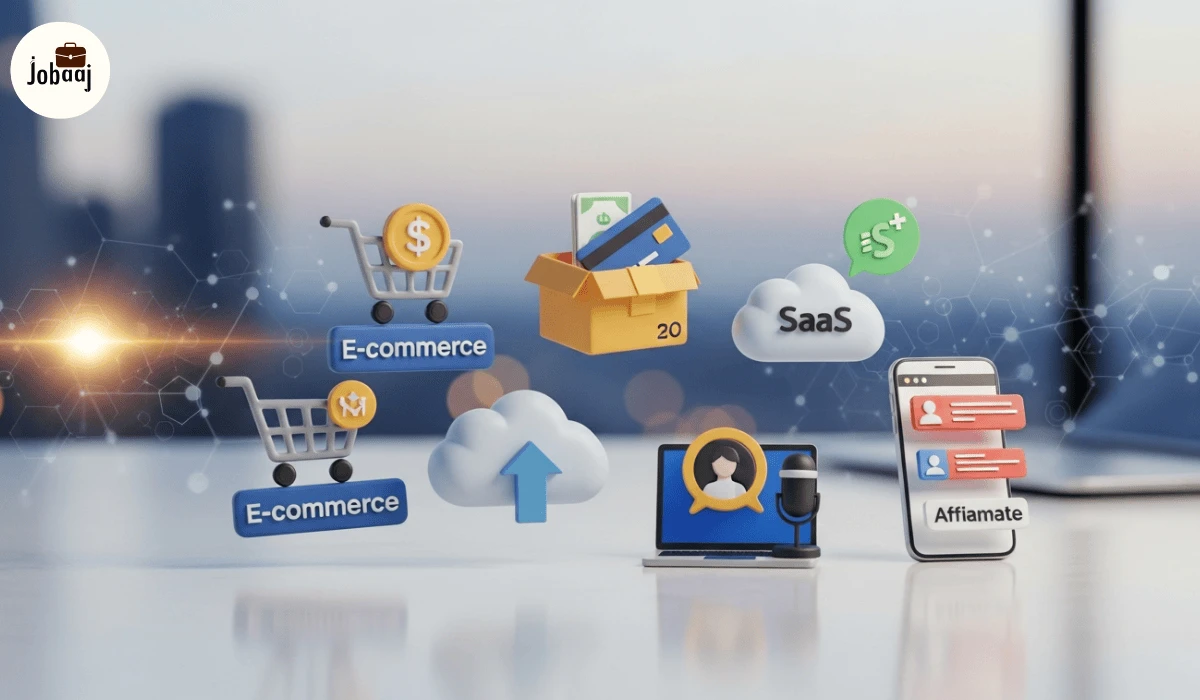
The online business landscape is evolving at a rapid pace, and 2026 promises to be a year of exciting opportunities. From new technological advancements to changing consumer behaviors, the online business world is full of potential for those ready to tap into it. Whether you're an entrepreneur just starting or an established business looking to expand, understanding the right business model is crucial.
So, what are the top online business models in 2026, and why should they matter to you? In this blog, we’ll explore the best and most effective online business models that are set to dominate the digital space in the coming years. These models not only offer scalability and sustainability but are also shaped by emerging trends, consumer needs, and technological innovations. Let's dive in!
1. E-commerce: The Everlasting Giant
E-commerce has been around for years, but it continues to thrive, and by 2026, it's only expected to grow. The online shopping experience is evolving with faster shipping, augmented reality, AI-driven recommendations, and more.
Why is it so successful?
E-commerce is incredibly versatile. You can sell physical products, digital products, or even offer services. The key is providing convenience and an exceptional customer experience. Platforms like Shopify, Etsy, and Amazon have made it easier than ever for small businesses to set up their shops and reach global audiences.
Emerging Trends
In 2026, expect e-commerce to become even more personalized. AI will help businesses predict customer behavior, while virtual stores (through augmented reality) will change how consumers interact with products online. These innovations will keep e-commerce thriving and offer tremendous growth opportunities for businesses and entrepreneurs alike.
2. Subscription-Based Models: The Power of Recurring Revenue
Subscription-based models are one of the most reliable business models for 2026, offering predictable revenue streams. Companies like Netflix, Spotify, and Dollar Shave Club have paved the way, and more businesses are jumping on board.
Why it's becoming so popular?
The recurring revenue model is appealing because it brings in consistent income. Consumers prefer the convenience of subscribing to services rather than making one-off purchases. This model applies not only to entertainment and media but also to physical goods (like subscription boxes) and educational content.
Emerging Trends
The future of subscription models in 2026 will focus on customization and hyper-targeted offerings. Instead of a “one-size-fits-all” model, businesses will focus on curating personalized experiences for subscribers. Additionally, micro-subscriptions are on the rise, allowing businesses to provide more affordable options with a steady stream of revenue.
3. Affiliate Marketing: Earning While Promoting
Affiliate marketing allows businesses and individuals to earn money by promoting products or services. With affiliate programs, marketers receive a commission for driving sales or leads through their marketing efforts. This model has gained immense popularity over the years and continues to expand.
Why it works?
It’s a win-win. Businesses get exposure without the risk of upfront costs, while affiliate marketers earn by simply promoting products they believe in. Platforms like Amazon Associates, ShareASale, and CJ Affiliate have made affiliate marketing easier than ever for individuals and companies alike.
Emerging Trends
Affiliate marketing in 2026 will likely incorporate influencer partnerships more heavily, with influencers driving traffic and sales through authentic content. Expect affiliate marketers to integrate AI-powered recommendations and personalized content to create more engaging and profitable campaigns.
4. Online Courses and Education: Knowledge is Power
The online education market is booming, and it’s only set to expand. Whether it’s professional development, learning new skills, or mastering a hobby, people are willing to invest in knowledge. Online courses have become a prominent business model, and in 2026, they’re expected to be a vital part of the educational landscape.
Why is it thriving?
The demand for online education is growing because people now want to learn at their own pace, wherever they are. Platforms like Udemy, Coursera, and Skillshare allow creators to monetize their expertise and deliver valuable content. As the global market for education grows, the opportunities for creators, coaches, and educators expand as well.
Emerging Trends
By 2026, expect virtual reality (VR) and augmented reality (AR) to play a significant role in education, offering immersive learning experiences. AI-driven personalization will also enhance learning by tailoring courses to individual learning styles and needs. Online course creators will continue to experiment with these technologies to make learning more engaging and interactive.
5. Freelance and Remote Work Platforms: Empowering Independent Talent
The rise of freelancing and remote work has been one of the most significant shifts in the global labor market. Online platforms like Upwork, Fiverr, and Toptal have empowered individuals to offer their skills to global clients. In 2026, this model will continue to grow, with more businesses embracing remote-first teams and hiring freelancers for specialized tasks.
Why it works?
Freelance platforms provide flexibility for both businesses and freelancers. Companies can hire experts without the overhead of full-time employees, while freelancers can choose projects that align with their skills and interests. As more industries embrace digitalization, the opportunities for freelancers will only expand.
Emerging Trends
As remote work becomes the norm, AI-driven tools will streamline the hiring process by matching the right freelancers with the right projects. Additionally, the demand for highly specialized talent will increase, leading to a rise in niche freelance markets across various industries.
6. SaaS (Software as a Service): Tech Solutions for Every Business
The SaaS model allows businesses to deliver software over the internet rather than through traditional installations. Companies like Salesforce, Slack, and Zoom have shown the power of SaaS, and by 2026, this model will continue to dominate the business world.
Why it’s successful?
SaaS offers businesses scalability, cost-effectiveness, and flexibility. It’s easier to manage and update software for customers, and it provides recurring revenue for the company. Whether it’s project management, customer service, or marketing automation, SaaS solutions provide everything a business needs in one place.
Emerging Trends
In 2026, expect AI and automation to further revolutionize the SaaS industry. These tools will allow businesses to provide more customized solutions that automatically adapt to customer needs. Vertical SaaS—software tailored to specific industries like healthcare, retail, or manufacturing—will become more prominent as businesses seek solutions designed for their unique challenges.
7. Influencer Marketing
The rise of social media platforms like Instagram, YouTube, and TikTok has created a new avenue for marketing: influencer marketing. Brands collaborate with influencers who have large, engaged followings to promote their products or services. This model works particularly well in industries like fashion, beauty, fitness, and technology.
Why it's growing
Consumers trust influencers more than traditional advertisements, especially when the influencer's content aligns with their values and interests. Influencers can drive engagement, increase brand awareness, and generate sales through sponsored posts and affiliate links.
Emerging Trends
By 2026, influencer marketing will continue to grow, especially with micro-influencers and niche audiences. Brands will seek more authentic partnerships and integrate influencers into content creation to boost engagement and credibility.
8. Marketplace Models
Platforms like eBay, Etsy, and Airbnb have successfully implemented the marketplace business model. In this model, businesses act as intermediaries connecting buyers and sellers, facilitating transactions without holding inventory.
Why it's effective
The marketplace model reduces the need for businesses to maintain stock and fulfill orders themselves. Instead, they earn fees from transactions. It’s ideal for entrepreneurs who want to create platforms where users can offer their own products or services.
Emerging Trends
In 2026, niche marketplaces will see significant growth. Platforms will cater to specific industries like handmade goods, art, or digital products, offering specialized experiences. Marketplaces will also incorporate AI tools to recommend products and services based on buyer preferences.
9. Freemium Model
The freemium business model is prevalent in the software industry. In this model, companies offer basic products or services for free, but charge users for access to advanced features or premium content. Popular examples include Dropbox, Spotify, and LinkedIn.
Why it works
The freemium model allows businesses to attract a large user base without any upfront cost. By offering a taste of the product for free, companies can convert users into paying customers by demonstrating the value of premium features.
Emerging Trends
By 2026, the freemium model will expand to new industries, including online education and digital media, as businesses find creative ways to provide value and encourage premium upgrades. Companies will rely on data analytics to identify which features drive conversions to paying customers.
10. On-Demand Services
On-demand services have transformed industries like transportation, food delivery, and even health care. Apps like Uber, DoorDash, and TaskRabbit allow users to request services in real time, offering convenience and efficiency.
Why it’s booming
Consumers love the flexibility and convenience of accessing services when they need them, often with just a few taps on their phones. On-demand services provide instant gratification, allowing customers to access what they need without delays.
Emerging Trends
By 2026, on-demand services will extend to more industries, including home services, elder care, and personalized wellness. As AI and automation continue to improve, expect even more streamlined on-demand experiences with faster response times and more customizable services.
Conclusion
The online business landscape is shifting rapidly, and the models that dominated the past few years will continue to evolve in 2026. Whether you’re starting a business or looking to scale, these business models offer a wealth of opportunities to grow and succeed in the digital age.
From e-commerce and subscriptions to freelancing platforms and SaaS, these models are adaptable, scalable, and ready to take advantage of new technologies. In 2026, staying ahead of the curve will require a solid understanding of the digital landscape and an openness to embracing emerging trends.
So, if you're thinking about starting your own online business, now is the time to dive into one of these models. The future is bright for entrepreneurs who are willing to innovate and adapt.
FAQs
The most profitable online business models in 2026 include e-commerce, subscription services, SaaS, freelance platforms, and online courses. Each of these models offers scalability and potential for growth as technology continues to advance.
To start a successful e-commerce business, choose a niche, find reliable suppliers, create an intuitive website, and focus on marketing strategies like SEO and social media to drive traffic and sales.
The freelance and remote work industry is expected to continue growing in 2026, with more businesses hiring specialized freelance talent for flexible and scalable work solutions. Platforms like Upwork and Fiverr will evolve to meet this demand.
A subscription-based business model offers recurring revenue, customer loyalty, and a predictable cash flow. This model works well in industries like media, fitness, food delivery, and SaaS, where customers appreciate ongoing value.
Personalization helps businesses create tailored experiences for customers, increasing engagement and sales. By using data and AI, businesses can offer recommendations and services that resonate with individual preferences, enhancing customer satisfaction.
SaaS provides businesses with scalable, cost-effective software solutions that can be easily updated and customized. As more companies adopt digital tools, SaaS platforms will continue to be a central part of business operations in 2026.