In a country as diverse as India, where people come from different backgrounds, cultures, and religions, it’s not always easy to foster a sense of unity. But in 2018, Cadbury India decided to use something we all love chocolate as a way to bring people together. They launched the Cadbury Unity Bar, a limited-edition chocolate that became a symbol of inclusion and unity.
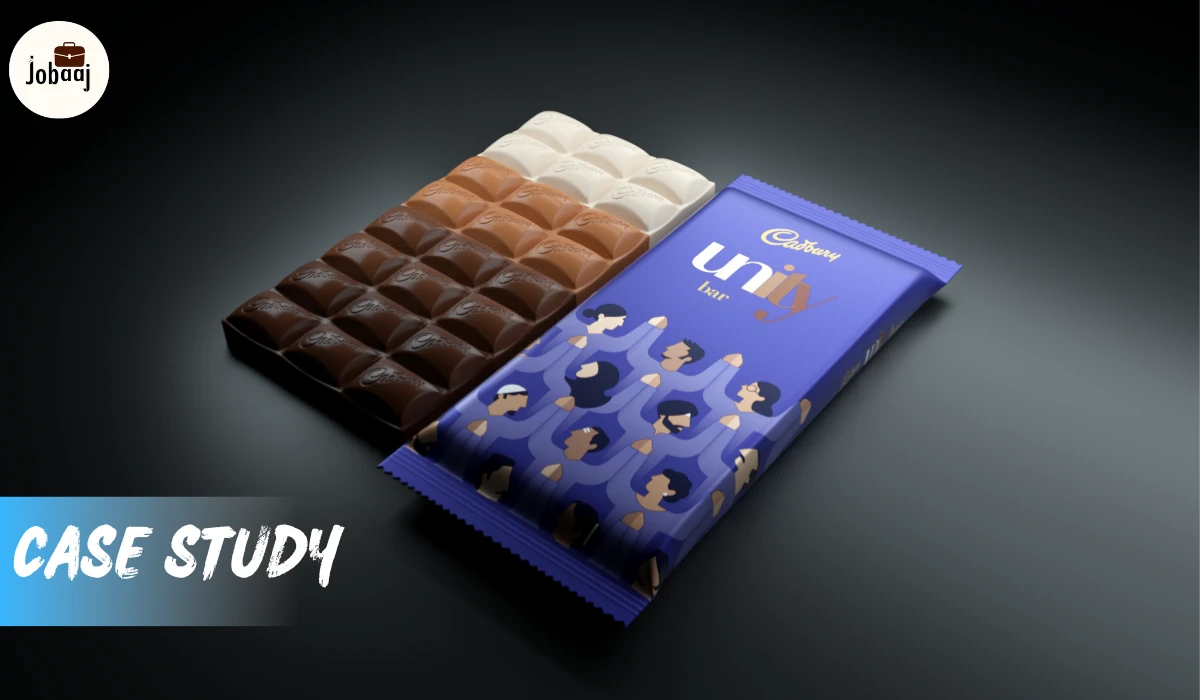
What made this bar special? It wasn’t just about indulging in a delicious treat; it was about sending a powerful social message. By combining five different kinds of chocolate in one single bar — dark, milk, and white — Cadbury created a visual representation of India’s diversity and the importance of unity.
In this case study, we’ll explore how Cadbury’s Unity Bar campaign not only addressed social issues but also strengthened its brand identity, aligning with both emotional values and corporate messaging. We’ll look at how it worked, why it was so effective, and the impact it had on both the brand and society.
Problem
In a market like India, brands often struggle with creating a message that resonates deeply with people, especially when it comes to social issues. For Cadbury, a brand that’s been part of Indian culture for decades, standing out required innovative thinking and a fresh approach.
The problem they aimed to solve wasn’t just about selling chocolates. It was about:
Uniting diverse communities: How could a brand help create a more inclusive and unified India, especially amidst the growing social and political divides?
Raising awareness: How could a brand address the need for social inclusion in a way that felt natural and relatable, without being preachy or forced?
Reinforcing brand values: As a long-standing brand with emotional ties to its consumers, how could Cadbury continue to reinforce its position as a trusted, beloved brand while being socially responsible?
The challenge was clear: create a campaign that not only helped the brand connect with its audience, but also encouraged social unity, addressing real issues while maintaining its playful, fun persona.
Strategy
The solution came in the form of the Unity Bar. By combining five different types of chocolate into one bar, Cadbury sent a simple yet powerful message: we’re all different, but we belong together. It was the perfect metaphor for a country as diverse as India, where people come from different backgrounds, cultures, religions, and regions, but still find a way to unite.
Here’s how Cadbury made it work:
-
Product Design: The Unity Bar wasn’t just a regular chocolate bar. It featured five distinct blocks of chocolate — dark, milk, and white — symbolizing the country’s diversity. The use of chocolate itself was important because it’s something that’s universally loved and enjoyed by people of all ages.
-
Social Message: The campaign’s message was clear — "Everyone’s different. Everyone’s equal. Let’s embrace each other." The Unity Bar wasn’t just a product; it was a conversation starter, making a bold statement about unity and diversity in India.
-
Emotional Appeal: Cadbury made sure the message was simple, emotional, and relatable. By tying the campaign to Indian culture and the need for unity, they tapped into deep emotions. The bar wasn’t just something you ate; it became a symbol of a shared vision for a harmonious society.
-
Advertising & Promotions: The campaign used a variety of channels, including TV ads, print media, and social media. The marketing visuals and messaging were designed to appeal to people from different walks of life, focusing on the message of unity rather than just selling a product.
-
Inclusivity: Cadbury went beyond just the product launch. The campaign was part of a broader, ongoing initiative by the company to embrace diversity and create meaningful impact through its campaigns. They also partnered with NGOs and social organizations, which helped amplify their message to a larger audience.
Findings
The Unity Bar campaign wasn’t just another product launch. It became a conversation piece, sparking discussions about unity, inclusion, and diversity. So, why did it work so well?
-
Emotional Connection: The campaign made people feel something. In a world full of noise, Cadbury cut through with a message that was genuine and heartwarming. It wasn’t just about selling chocolate; it was about connecting with people on a deeper level.
-
Relevance to the Audience: India’s diverse and complex social fabric made the Unity Bar a timely product. The messaging felt relevant, given the growing need for social inclusion and unity in the country. By addressing a social issue in a non-political, non-divisive way, Cadbury managed to stay relatable and positive.
-
Social Media Buzz: People love to share their opinions, especially when it comes to social issues. The Unity Bar didn’t just get attention through advertising; it sparked conversations on social media. People were sharing their thoughts, discussing the product, and even celebrating their diversity through the campaign hashtag.
-
Brand Loyalty and Trust: Cadbury is a brand that’s been part of the Indian family for generations. So when they launched a campaign promoting unity and equality, people felt an even stronger connection. The campaign wasn’t just about promoting a product — it was a reflection of the values that Cadbury stood for.
-
Affordable Social Change: By linking a product (something people already loved) with a meaningful social message, the campaign proved that businesses can drive social change without needing to spend millions on cause-driven marketing.
Results
The success of the Unity Bar campaign went beyond just the product sales. Here’s what the numbers show:
-
Sales Spike: The campaign significantly increased sales of the Unity Bar, helping Cadbury boost its market share in India. Though the bar was available for a limited time, its emotional connection with consumers made it a highly coveted product.
-
Brand Awareness: The Unity Bar increased brand awareness for Cadbury in both urban and rural markets. The campaign resonated deeply with the millennial audience, but it also found an audience in older generations who connected with the message of unity.
-
Earned Media and Engagement: The social media impact was immense. The campaign generated millions of interactions online, with people sharing their thoughts on diversity, inclusion, and how the Unity Bar had become a symbol of togetherness. The hashtag #UnityBar trended on platforms like Twitter and Instagram, leading to increased visibility for the brand.
-
Long-Term Brand Loyalty: The campaign reinforced Cadbury's brand identity as a company that cares about its community. More importantly, it helped foster a sense of loyalty among consumers, showing that Cadbury wasn’t just in the business of selling chocolate, but also contributing positively to society.
Conclusion
Cadbury’s Unity Bar wasn’t just a product; it was a statement. It showcased how brands can use creativity and social responsibility to make a real difference in people’s lives, while still selling products. By tying their product launch to an important message about unity, Cadbury succeeded in capturing hearts and minds and creating an emotional connection with millions.
The lesson for businesses is clear: in today’s market, consumers are looking for more than just a product. They want brands that stand for something and are willing to take a stand on important issues. If you can align your marketing with social causes that resonate with your audience, you can build stronger brand loyalty and make a lasting impact.
The Cadbury Unity Bar campaign is proof that when brands tap into what truly matters to people — unity, inclusion, and positive change — they don’t just sell a product; they build a meaningful relationship with their customers.
FAQs
The Cadbury Unity Bar campaign was launched to promote unity and inclusivity by combining five types of chocolate in one bar, symbolizing India's diversity.
Cadbury used chocolate as a universally loved product to deliver an emotional and relatable message of unity, aiming to connect with a wide audience.
The campaign helped strengthen Cadbury's brand identity as a socially responsible company, fostering increased customer loyalty and positive social media engagement.
Cadbury used multiple marketing channels, including TV ads, print media, and social media, to spread the message of unity and inclusivity, engaging consumers at a deep emotional level.
The Unity Bar became a symbol of togetherness in a diverse country like India, where it sparked conversations about social inclusion and unity across various communities.
The campaign led to a significant increase in sales and brand awareness, both in urban and rural markets, and helped Cadbury build a stronger connection with its customers.