
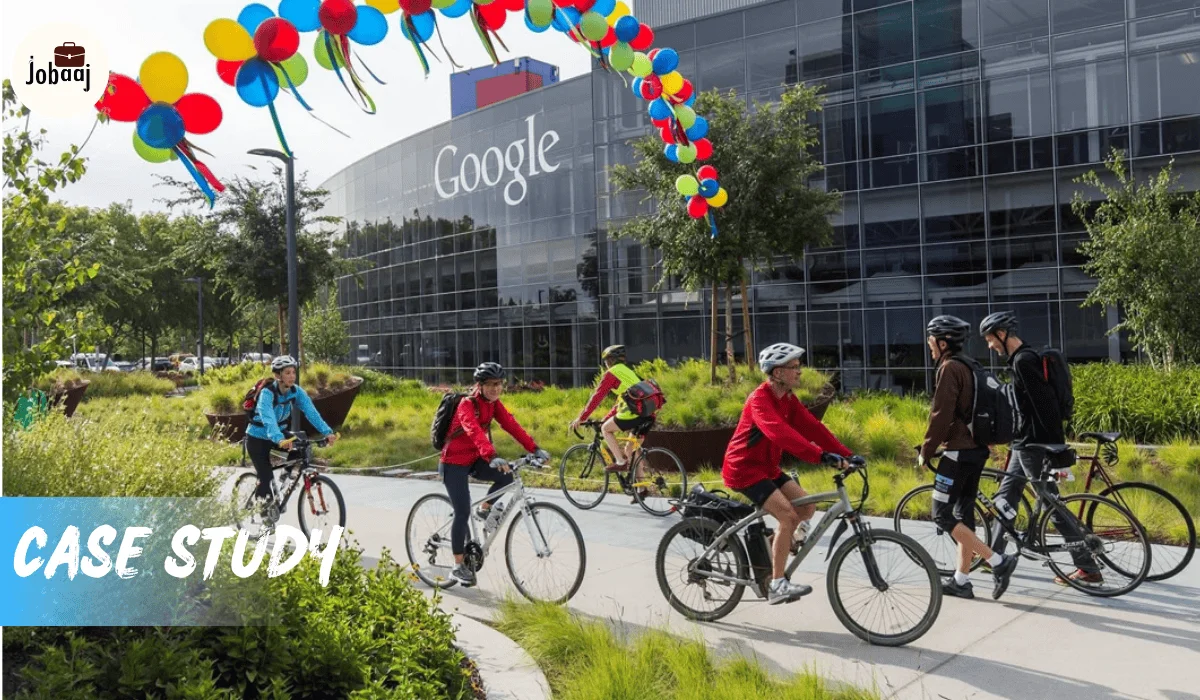
In today’s competitive business environment, companies are increasingly realizing the importance of fostering a positive and engaging work culture. Google, widely recognized as one of the most innovative and successful companies in the world, stands as a testament to the power of employee-centric work culture. For years, Google has consistently ranked as one of the best companies to work for, thanks to its focus on creating a supportive environment for its employees. In this case study, we’ll delve into how Google’s employee-centric work culture has contributed to its success, examining the strategies it has implemented and the tangible results that have followed.
Context:
Google was founded in 1998 by Larry Page and Sergey Brin, and since then, it has grown into one of the most influential tech giants globally. But what sets Google apart from its competitors is not just its innovative products like Google Search, YouTube, or Android it’s the company’s approach to its workforce. Over the years, Google has invested heavily in creating a culture that values its employees, empowering them to thrive both personally and professionally.
This case study focuses on how Google’s employee-centric culture fosters innovation, collaboration, and productivity. Google has been able to create an environment where employees feel motivated, supported, and challenged to be their best. This culture has also played a key role in Google's sustained growth and leadership in the tech industry.
Problem
Despite its early success, Google faced a unique challenge in the 2000s as it expanded rapidly and began hiring thousands of employees across various departments. As the company grew, there was a risk that employees would feel disconnected from one another and from the company’s core mission. Additionally, the tech industry as a whole was witnessing rising competition for talent, making employee retention a top priority for many companies, including Google.
Google needed to create a culture that not only attracted top talent but also ensured employees remained engaged and satisfied long-term. The challenge was to find a way to maintain a sense of connection, innovation, and job satisfaction among an expanding workforce, while also ensuring that Google continued to lead the market with groundbreaking innovations.
Strategy
Google’s approach to tackling this problem was twofold: focus on employee well-being and promote a culture of innovation.
1.Employee Well-Being: Google’s leadership recognized that employees are the company’s most valuable asset. As such, they invested heavily in benefits and programs designed to support both professional and personal well-being. This included flexible work hours, wellness programs, on-site gyms, free meals, and child care facilities. Google created spaces that encouraged relaxation, creativity, and social interaction, making work a more enjoyable and fulfilling experience.
2.Encouraging Innovation and Collaboration: Google introduced several programs to foster innovation and collaboration among employees. The company adopted a flat organizational structure, which encouraged open communication between all levels of employees. Google also introduced initiatives like 20% Time, where employees were given the freedom to dedicate 20% of their time to passion projects outside of their normal work responsibilities. This initiative led to the creation of products like Gmail and Google News, which continue to be central to Google’s offerings today.
3.Inclusive Work Environment: Google ensured that all employees, regardless of their background, had equal access to opportunities. They developed diversity and inclusion initiatives to create a more representative workforce, with programs dedicated to hiring underrepresented groups in tech, such as women and minorities.
Findings
Through the implementation of its employee-centric strategies, Google found that fostering a supportive work culture had a direct impact on employee satisfaction, productivity, and overall company success.
1.Increased Employee Retention: Google's efforts in creating a positive work environment led to an increase in employee retention. According to various employee surveys, a large majority of Google employees reported high levels of job satisfaction. By offering work-life balance, career development opportunities, and personal support, Google managed to retain top talent in a highly competitive job market.
2.Enhanced Collaboration and Creativity: The company’s flat structure and emphasis on cross-team collaboration led to an environment where employees were encouraged to share ideas freely. This resulted in increased creativity, with employees frequently coming up with groundbreaking innovations.
3.Stronger Brand Loyalty: As employees felt more valued and connected to the company, their commitment and loyalty towards Google grew stronger. This, in turn, contributed to a positive work culture that attracted new talent and strengthened the company’s position as a leading innovator.
4.High Productivity Levels: With the support structures in place, employees felt more motivated to perform well. The combination of employee autonomy, well-being programs, and a focus on personal growth helped Google achieve high productivity levels while still maintaining employee satisfaction.
Results
The results of Google’s employee-centric strategy were evident across several areas:
1.Innovative Products and Services: As mentioned, Google’s 20% Time initiative led to the creation of popular products like Gmail and Google Maps. These products have played a central role in Google’s market dominance. Google has been able to continuously innovate due to its employees feeling empowered to take risks and explore new ideas.
2.Global Recognition as a Great Place to Work: Google consistently ranks high on global "best places to work" lists. Its commitment to employee well-being, development, and a positive work environment has earned it accolades and made it an attractive employer for top talent worldwide.
3.Sustained Market Leadership: Google's culture of innovation and focus on employee satisfaction has been integral to its sustained success. The company has consistently outperformed competitors and has expanded into new markets, including hardware, cloud computing, and artificial intelligence.
4.Positive Social Impact: Google’s commitment to creating an inclusive, supportive work environment has also made a social impact. The company has been a leader in promoting diversity and inclusion within the tech industry, paving the way for other companies to follow suit.
Learnings
There are several key takeaways from Google’s employee-centric culture that other companies can implement:
1.Investing in Employee Well-Being Pays Off: Google’s focus on offering benefits that promote health, work-life balance, and personal growth helped the company retain talent and boost productivity. This shows that investing in employees’ well-being is not just a good practice but also a strategic business decision.
2.Encouraging Creativity Leads to Innovation: Google’s initiatives like 20% Time demonstrate that giving employees the freedom to explore their passions and think outside the box can lead to game-changing innovations.
3.A Positive Culture Attracts Talent: A supportive work culture makes a company more attractive to potential employees. Google's ability to consistently attract top talent is a direct result of its employee-centric approach.
Conclusion
Google’s employee-centric work culture has played a key role in the company’s continued success. By focusing on employee well-being, promoting innovation, and fostering collaboration, Google has not only managed to retain its workforce but has also created an environment that fuels innovation and growth. The results speak for themselves Google continues to lead the tech industry, thanks in part to the strong foundation of its employee-first culture.
As more companies begin to realize the importance of creating a positive work culture, they can look to Google’s approach as a model for success. By prioritizing employees and fostering an environment of trust, creativity, and growth, any company can build a culture that leads to long-term success.
FAQs
Google’s employee-centric work culture focuses on employee well-being, creativity, and collaboration. The company fosters a work environment that encourages innovation by providing resources like flexible working hours, wellness programs, and opportunities for career development.
Google’s culture has been key to its sustained success by fostering innovation, improving employee retention, and attracting top talent. Its employee-first approach has helped Google maintain its position as a market leader by empowering employees to think creatively and collaborate effectively.
Key elements of Google’s employee-centric culture include a focus on well-being (through work-life balance and health programs), opportunities for innovation (such as the 20% Time initiative), and fostering a collaborative work environment. Google also values inclusivity and diversity in its workplace.
Google promotes work-life balance by offering flexible working hours, on-site amenities like gyms and free meals, and mental health programs. The company ensures that its employees have the resources they need to maintain a healthy balance between their professional and personal lives.
The 20% Time initiative at Google allows employees to spend 20% of their work hours on projects outside of their regular responsibilities. This initiative has led to the creation of successful products like Gmail and Google News, encouraging employees to pursue their passions and think outside the box.
Other companies can adopt Google’s employee-centric approach by investing in employee well-being programs, encouraging creativity, providing learning and growth opportunities, and creating a supportive work environment that values diversity and inclusivity.