Walking through a supermarket and spotting something that makes you pause for a moment a bottle of Coca-Cola with your name on it. Or perhaps it’s the name of your best friend, your sibling, or someone you haven’t seen in years. Immediately, a sense of connection washes over you. That’s exactly what Coca-Cola aimed for with its iconic "Share a Coke" campaign, and in 2026, it remains one of the most successful and emotional marketing campaigns ever executed.
This campaign wasn’t about selling more soda; it was about creating a feeling. In a world where brands were becoming increasingly impersonal and disconnected from their audiences, Coca-Cola chose to break through the noise by making its product feel deeply personal. It was all about sharing and connecting, making each bottle not just a drink but a shared experience.
Let’s walk through how Coca-Cola turned a simple idea into a global movement, creating a bond with millions of consumers while seeing their brand engagement and sales soar.
The Problem
By 2011, Coca-Cola was facing some tough challenges. Despite being an iconic global brand, it was struggling to maintain its appeal among younger consumers. More than just a beverage, the brand needed to evolve and remain relevant in a world where personalized experiences were becoming the norm.
Young adults and millennials were moving away from traditional advertising. They were more interested in brands that spoke their language and reflected their values. Coca-Cola needed a fresh approach to reconnect with these groups, rebuild emotional engagement, and remind everyone why its products mattered.
What Coca-Cola needed: A way to make the product feel like it was made for you, creating an emotional connection in a way that wasn’t about selling soda, but about bringing people closer together.
Strategy and Execution
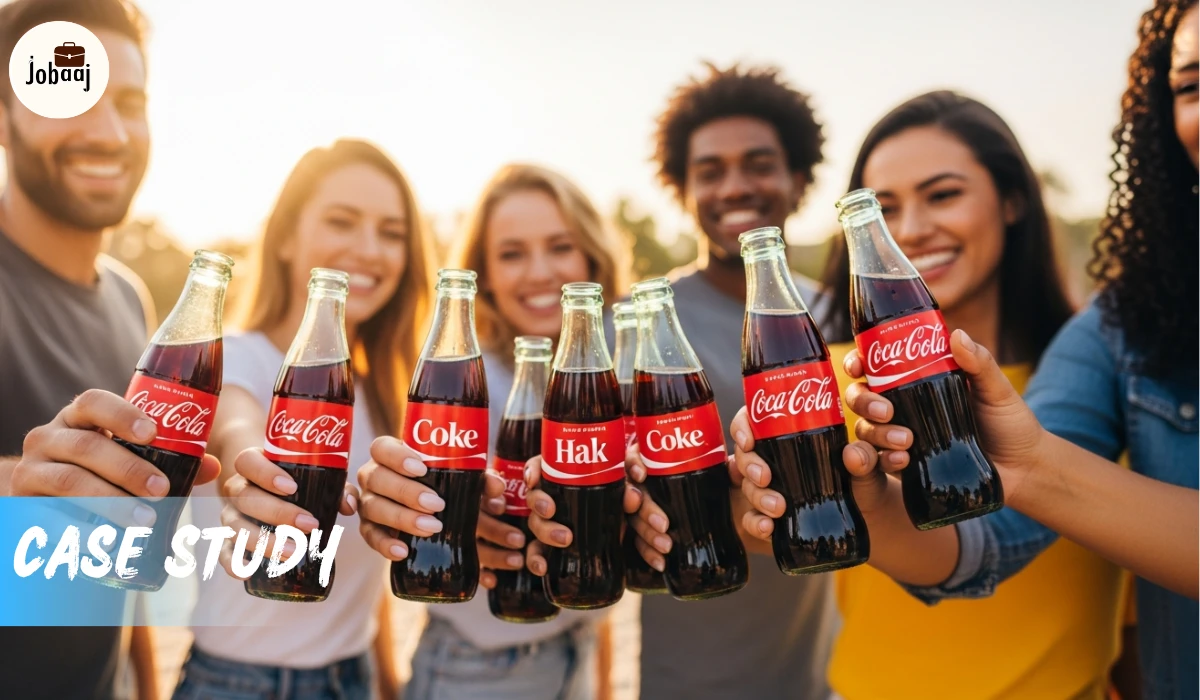
Coca-Cola found the answer with a simple yet brilliant idea personalization. Instead of selling soda with just the Coke logo on the bottle, Coca-Cola decided to replace its famous logo with first names. Yes, that’s right personalized Coke bottles featuring people’s names, nicknames, and even endearing terms like “Bestie” or “Soulmate.”
This was a groundbreaking move because Coca-Cola wasn’t just selling a product; it was inviting consumers to be part of a shared experience. Here’s how they executed it:
1.Personalized Bottles Everywhere:
The campaign launched by printing a huge variety of popular first names on Coke bottles. These were the names people would recognize in their everyday lives. It was like Coca-Cola was making the bottles just for them. But it didn’t stop there. The brand ensured that even the rarest names had a place on the shelves, making everyone feel like they were part of the movement.
2.Social Media Buzz:
Coca-Cola encouraged people to take a picture with their personalized Coke bottles and share it on social media using the hashtag #ShareACoke. Suddenly, your social media feed was filled with joyful moments, as friends posted photos of their Coke bottles, tagged their friends, and shared memories.
3.Interactive Engagement:
Coca-Cola didn’t just leave it at store shelves. They set up kiosks in malls where customers could print their own names on Coke bottles, adding a personal touch and creating a memorable experience. The message was clear: Coca-Cola was for you.
4.Emotional Storytelling:
Instead of focusing on taste or pricing, Coca-Cola tapped into a universal human emotion connection. The campaign was about sharing a Coke with the people who mattered most to you. The tagline "Share a Coke with..." was more than just marketing; it was an invitation to create moments of joy with those around you.
Findings
As the campaign took off, Coca-Cola’s marketing team analyzed how it was resonating with consumers. The findings were nothing short of impressive:
1.Deep Emotional Connection:
Consumers didn’t just see a bottle of Coke they saw themselves, their friends, their family, and the moments that mattered to them. The personalization created emotional resonance with people, making the product feel meaningful.
2.Social Media Explosion:
The hashtag #ShareACoke became a global phenomenon. Photos, videos, and stories flooded social media platforms. It wasn’t just a marketing campaign it became a shared cultural experience. The campaign’s success on social media proved how well it resonated with a younger, digital-native audience.
3.Brand Sentiment Soared:
Coca-Cola’s focus on emotional engagement transformed the way people saw the brand. The emotional connection made people more likely to choose Coca-Cola over competitors, not just for the taste but for the feeling of joy it evoked.
4.Behavioral Shift in Purchases:
Consumers weren’t just buying Coke because they were thirsty they were collecting personalized bottles or gifting them to others. The personalization made the product feel unique, something people could share or treasure.
Results
The results were remarkable and solidified “Share a Coke” as one of the most successful marketing campaigns of all time:
1.Increased Sales:
The campaign directly contributed to a boost in sales. In markets like Australia, Coca-Cola saw a 7% increase in consumption during the campaign’s initial rollout.
2.Unmatched Social Media Engagement:
The hashtag #ShareACoke garnered millions of posts, creating viral marketing without spending huge amounts on traditional advertising. Coca-Cola became a top-of-mind brand for young consumers.
3.Brand Loyalty:
By making their product feel personal, Coca-Cola deepened its relationship with consumers, building stronger brand loyalty and fostering a sense of community.
4.Increased Brand Value:
Coca-Cola’s emotional appeal, mixed with creative personalization, enhanced its overall brand value. It was no longer just a drink; it was a product that had a meaningful place in people’s lives.
Key Takeaways
The success of Coca-Cola’s “Share a Coke” campaign holds valuable lessons for brands:
1.Personalization Drives Engagement:
People want to feel seen and recognized by the brands they love. Personalizing a product creates emotional connections that are hard to achieve through traditional marketing.
2.User-Generated Content is Gold:
Encouraging consumers to share their own stories and experiences turns them into brand ambassadors, which results in organic growth through social media.
3.Keep It Simple but Powerful:
The message behind the campaign was simple: share a Coke. But it was powerful because it was authentic and relatable. Simple ideas, when executed right, have the potential to go viral.
4.Focus on Experiences, Not Just Products:
Coca-Cola didn’t just market a soda; they marketed a shared experience. People weren’t just buying a drink they were buying into a moment with someone important to them.
Conclusion: A Campaign for the Ages
Coca-Cola’s “Share a Coke” campaign wasn’t just about selling more soda; it was about creating meaningful experiences that connected the brand to consumers on a personal level. By embracing personalization, social engagement, and emotional storytelling, Coca-Cola successfully revitalized its brand and captured the hearts of millions.
This case study serves as an example of how brands can move beyond transactional marketing and build lasting relationships with their customers. If you’re a marketer or an aspiring brand strategist, embracing the power of personalization and humanizing your marketing efforts will set you on the path to success.
FAQs
The core idea was to replace the Coca-Cola logo with people’s names, making each bottle feel personal. It encouraged people to share a Coke with friends, family, and loved ones, turning a simple product into a meaningful experience.
Coca-Cola ensured the campaign’s success by leveraging personalization, social media engagement, and emotional storytelling. The brand printed popular names on bottles and encouraged customers to share their personalized bottles online using the hashtag #ShareACoke.
Social media played a pivotal role in spreading the campaign. Users posted pictures with personalized Coke bottles, creating a viral buzz. The hashtag #ShareACoke became a global phenomenon, generating millions of user-generated content and driving brand engagement.
The campaign led to a 7% increase in sales in markets like Australia, while also boosting Coca-Cola’s social media presence and brand loyalty. It enhanced brand sentiment and made Coca-Cola feel more personal and relatable to consumers.
Brands can learn from Coca-Cola’s approach by focusing on personalization, creating emotional connections, and encouraging user-generated content. Simple, authentic ideas that resonate with people can lead to powerful and lasting customer engagement.
The campaign was revolutionary because it moved beyond traditional advertising to create meaningful, personalized experiences. By focusing on emotional storytelling and social engagement, Coca-Cola transformed its product into a shared moment of joy for consumers.