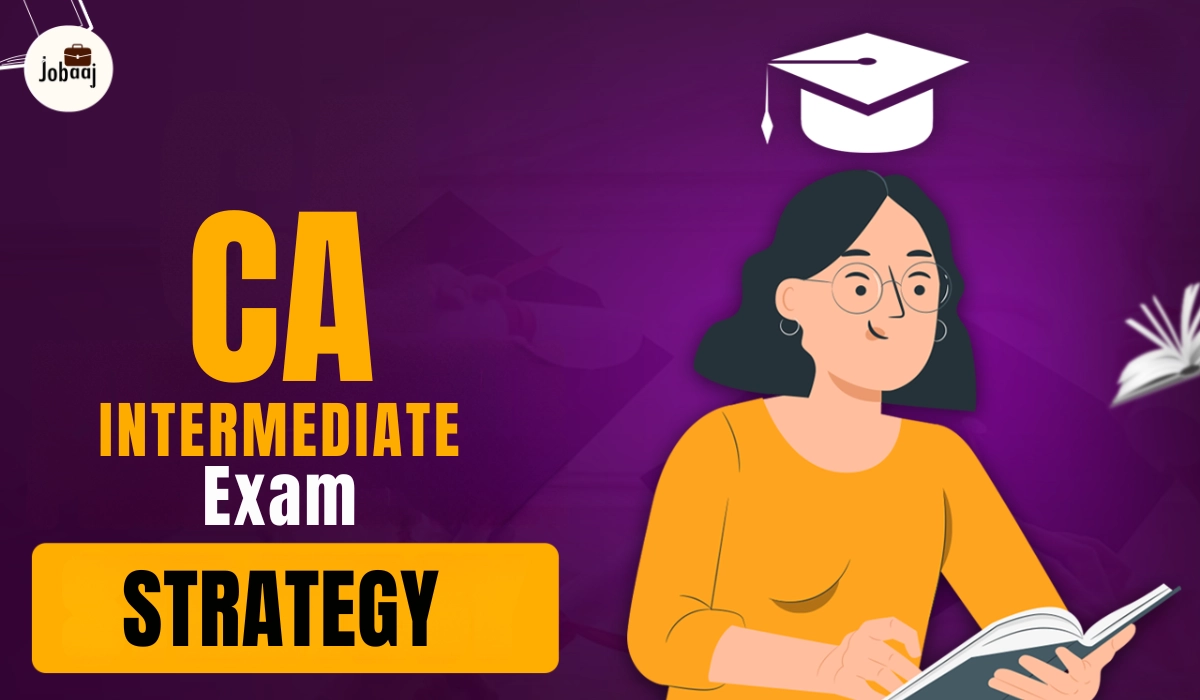
The CA Intermediate exam is a milestone that many aspiring Chartered Accountants must conquer on their journey to becoming financial experts. It’s a rigorous exam that demands dedication, discipline, and the right approach to preparation. But how do you turn this challenge into a triumph? Imagine sitting at your study desk with a stack of textbooks, but instead of feeling overwhelmed, you feel focused and confident, knowing exactly what to do. This blog will guide you through practical tips, strategies, and techniques to help you crack the CA Intermediate exam and come out victorious.
Understanding the CA Intermediate Exam Structure
The CA Inter examination is divided into two groups, each containing four papers. Group I includes Accounting, Corporate Laws & Other Laws, Cost and Management Accounting, and Taxation. Group II covers Advanced Accounting, Auditing and Assurance, Enterprise Information Systems & Strategic Management, and Financial Management & Economics for Finance.
Each paper carries 100 marks, and you need a minimum of 40% in each subject and 50% aggregate in each group to pass. The exam is conducted twice a year, typically in May and November, giving you multiple opportunities to succeed.
Understanding this structure is crucial because it allows you to plan your CA study strategy effectively. You can choose to appear for both groups simultaneously or tackle them separately based on your preparation level and confidence.
Creating an Effective Study Plan
Time Management and Scheduling
CA exam preparation begins with creating a realistic and sustainable study schedule. Allocate at least 6-8 hours of daily study time, but remember that quality matters more than quantity.
Divide your study time based on subject difficulty and your comfort level. Typically, Taxation and Advanced Accounting require more time due to their vast syllabus and frequent amendments. Cost Accounting and Financial Management need consistent practice for numerical problems.
Create weekly and monthly milestones to track your progress. This approach helps maintain momentum and ensures you complete the entire syllabus with adequate time for revision.
Subject-wise Preparation Strategy
Each subject in the CA Inter syllabus requires a tailored approach. For Accounting subjects, focus on understanding concepts first, then move to practical applications through numerous problem-solving sessions.
For Law subjects, create concise notes with key provisions, landmark cases, and recent amendments. Regular revision is crucial for retaining legal provisions and their practical applications.
Taxation requires staying updated with the latest amendments and notifications. Create separate notes for direct and indirect taxes, focusing on computational aspects and recent changes in tax laws.
Subject-specific Preparation Strategies
Group 1 Subjects
Accounting forms the foundation of the CA course. Start with basic concepts and gradually move to complex topics like partnership, company accounts, and accounting standards. Practice journal entries daily and solve previous year questions religiously.
Corporate Laws & Other Laws requires systematic study of various acts. Create flowcharts for different procedures under Companies Act, and maintain separate notes for provisions under other laws like FEMA, Indian Contract Act, and Negotiable Instruments Act.
Cost and Management Accounting is highly scoring if you master the techniques. Focus on understanding different costing methods, variance analysis, and budgeting concepts. Regular practice of numerical problems is essential for building speed and accuracy.
Taxation covers both direct and indirect taxes. For Income Tax, focus on computation of income under different heads and provisions for deductions. For GST, understand the registration process, tax computation, and return filing procedures thoroughly.
Group 2 Subjects
Advanced Accounting includes complex topics like banking, insurance, and holding company accounts. These require deep conceptual understanding combined with extensive practice of numerical problems.
Auditing and Assurance is largely theoretical but requires practical application knowledge. Focus on auditing standards, internal control systems, and audit of different types of entities. Current affairs related to auditing profession are also important.
Enterprise Information Systems & Strategic Management combines IT concepts with management principles. Stay updated with latest technological developments and understand strategic management frameworks thoroughly.
Financial Management & Economics for Finance requires strong mathematical skills. Practice time value of money, capital budgeting, and portfolio management concepts regularly. Economics portion needs understanding of both micro and macroeconomic concepts.
Effective Study Techniques
Active Learning Methods
Passive reading won't help you crack the CA exam. Instead, adopt active learning techniques like summarizing concepts in your own words, creating mind maps, and teaching concepts to others.
Use the Feynman Technique - explain complex concepts in simple language as if teaching a beginner. This method helps identify knowledge gaps and strengthens your understanding of fundamental concepts.
Regular self-assessment through mock tests and previous year papers is crucial. This practice helps you understand exam patterns, time management, and identifies weak areas needing more attention.
Memory Enhancement Techniques
Create acronyms and mnemonics for remembering legal provisions, accounting standards, and audit procedures. Visual learners can benefit from flowcharts, diagrams, and mind maps for complex topics.
Spaced repetition is particularly effective for CA Inter preparation. Review studied topics at increasing intervals - after one day, one week, one month - to ensure long-term retention.
Practice active recall by closing your books and writing down everything you remember about a topic. This technique strengthens memory pathways and improves exam performance.
Technology and Resources for CA Preparation
Digital Learning Platforms
Modern CA coaching has evolved to include online platforms offering video lectures, digital notes, and interactive learning tools. These platforms provide flexibility to study at your own pace and revisit difficult concepts multiple times.
Mobile apps for CA preparation offer convenience of studying during travel time or short breaks. Many apps provide topic-wise tests, flashcards, and progress tracking features.
However, balance digital resources with traditional study methods. Physical books and handwritten notes still play a crucial role in deep learning and retention.
Recommended Study Materials
ICAI study materials remain the primary source for CA exam preparation. These materials are comprehensive and align perfectly with exam requirements. Supplement these with reference books from renowned authors for additional practice problems.
CA Inter notes from reputable coaching institutes can provide structured learning and time-saving summaries. However, don't rely solely on short notes - understanding concepts from detailed study materials is essential.
Previous year question papers and mock test series are invaluable resources. They provide insight into exam patterns, question types, and help build exam temperament.
Mock Tests and Practice Strategy
Importance of Regular Testing
CA practice tests are not just assessment tools - they're learning opportunities. Regular mock tests help identify weak areas, improve time management, and build confidence for the actual exam.
Simulate exam conditions during mock tests. Sit in a quiet room, maintain time limits, and avoid referring to books or notes. This practice helps adapt to exam pressure and builds mental stamina.
Analyze your performance after each mock test. Identify patterns in mistakes, time allocation issues, and topics needing more attention. Use these insights to refine your study strategy.
Time Management During Exams
Develop a time allocation strategy for each paper based on marks distribution and question difficulty. Practice this strategy during mock tests to make it second nature.
Start with questions you're most confident about to build momentum and secure easy marks. Leave challenging questions for later when you've already secured a substantial score.
Don't spend excessive time on any single question. If stuck, move on and return later if time permits. Remember, partial attempts across all questions often yield better results than perfect answers to few questions.
Overcoming Common Challenges
Dealing with Exam Anxiety
CA exam success often depends on managing exam anxiety effectively. Develop relaxation techniques like deep breathing, meditation, or light exercise to manage stress levels during preparation and exams.
Maintain a positive mindset by celebrating small victories and progress milestones. Surround yourself with supportive peers and mentors who understand the challenges of CA preparation.
Ensure adequate sleep, regular exercise, and proper nutrition during preparation. Physical well-being directly impacts mental performance and learning capacity.
Managing Study Burnout
CA preparation is a marathon, not a sprint. Plan regular breaks and recreational activities to prevent burnout. Short breaks during study sessions and weekly rest days are essential for maintaining productivity.
Vary your study routine to prevent monotony. Alternate between different subjects, study locations, and learning methods to keep your mind engaged and alert.
Set realistic expectations and avoid comparing your progress with others. Everyone has different learning paces and circumstances. Focus on your own improvement and consistent progress.
Last-minute Preparation Tips
Final Month Strategy
The last month before CA Inter exams should focus primarily on revision and mock tests rather than learning new concepts. Create concise revision notes covering key formulas, important provisions, and frequently asked questions.
Increase the frequency of mock tests and practice papers. Aim for at least one full-length test every two days to maintain exam readiness and identify any remaining weak areas.
Stay updated with latest amendments, notifications, and current affairs relevant to your subjects. The CA exam often includes questions on recent changes and developments.
Day Before and Day of Exam
Avoid studying new topics on the day before the exam. Instead, review your revision notes and practice a few easy problems to maintain confidence. Ensure you have all required documents and stationery ready.
Get adequate sleep before exam day. Reach the exam center early to avoid last-minute stress. During the exam, read instructions carefully and plan your time allocation before starting to write.
Stay calm and focused throughout the exam. If you encounter a difficult question, don't panic. Move on to other questions and return to challenging ones if time permits.
Success Stories and Motivation
Learning from Toppers
CA exam guidance from successful candidates reveals common patterns: consistent daily study, regular practice, and never giving up despite failures. Many toppers emphasize the importance of understanding concepts rather than rote memorization.
Most successful candidates maintain study groups or study partners for motivation and knowledge sharing. Teaching others and discussing complex topics often leads to better understanding and retention.
Toppers also stress the importance of maintaining physical and mental health throughout the preparation journey. Regular exercise, proper nutrition, and adequate sleep are non-negotiable for sustained performance.
Building the Right Mindset
Chartered accountant exam success requires a growth mindset. View failures as learning opportunities rather than setbacks. Many successful CAs didn't clear the exam in their first attempt but learned from their mistakes and improved.
Develop intrinsic motivation by connecting your CA goals with larger life objectives. Whether it's financial independence, professional recognition, or serving businesses, having a clear purpose sustains motivation during difficult times.
Celebrate small victories and progress milestones. Completing a difficult chapter, scoring well in a mock test, or understanding a complex concept are all achievements worth acknowledging.
Building Support Systems
Study Groups and Peer Learning
Form or join study groups with serious and committed peers. Group discussions often clarify doubts, provide different perspectives on complex topics, and maintain motivation through mutual support.
However, ensure your study group remains focused and productive. Avoid groups that turn into social gatherings or become sources of distraction rather than learning enhancement.
Online forums and communities can also provide valuable support, doubt clarification, and motivation from fellow aspirants and successful CAs across the country.
Professional Guidance
Consider enrolling in CA coaching if self-study proves challenging. Experienced faculty can provide structured guidance, clarify complex concepts, and share exam-oriented tips and strategies.
However, choose coaching institutes carefully. Look for experienced faculty, good study materials, regular assessments, and positive track record of student success.
Remember that coaching is a supplement to, not a replacement for, your own efforts. No amount of external guidance can substitute for consistent self-study and practice.
FAQs
A structured study plan, utilizing quality resources like recommended textbooks and past papers, and consistent practice are crucial for success.
Recommended textbooks, study materials from reputable institutes, and past papers are key resources. Focus on understanding concepts, not just memorization.
Extremely important! Solving past papers helps you understand the exam pattern, identify weak areas, and improve time management skills under pressure.
Break down the syllabus into manageable chunks. Allocate sufficient time for each topic, prioritize weak areas, and incorporate regular breaks for better retention.
Procrastination, neglecting weak areas, insufficient practice, and neglecting revision are common pitfalls to avoid. Maintain consistency and stay focused.