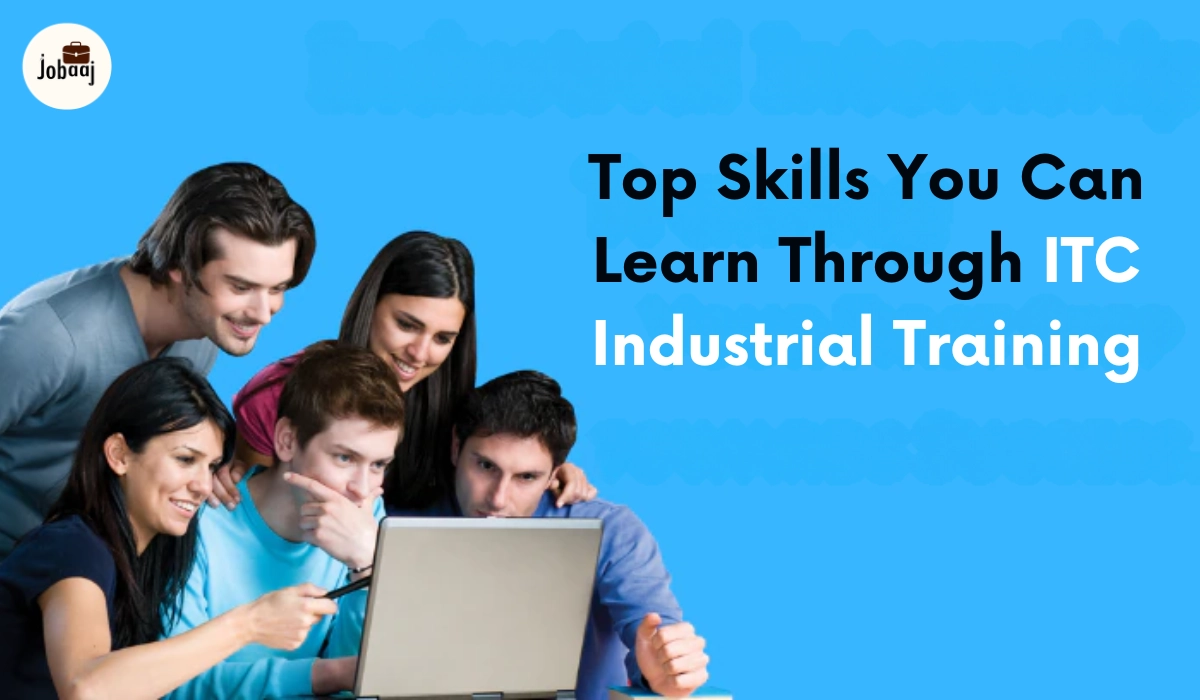
When it comes to advancing your career in the industrial sector, few opportunities are as valuable as undergoing ITC Industrial Training. The Industrial Training Institutes (ITIs) have been at the forefront of providing hands-on, practical education to individuals looking to gain expertise in various trades. Whether you're looking to build a career in engineering, manufacturing, or IT, the skills you acquire during ITC Industrial Training can lay the foundation for a successful future. Let’s dive into the top skills you can learn through ITC Industrial Training and how these can boost your career.
Understanding ITC Industrial Training Programs
ITC industrial training represents a comprehensive approach to developing skilled professionals for modern manufacturing and industrial environments. These programs combine theoretical knowledge with hands-on practical experience across various industrial domains.
The training methodology focuses on real-world applications, ensuring participants gain relevant skills that directly translate to workplace productivity and career advancement opportunities.
Core Technical Skills Development
Advanced Manufacturing Processes
Participants master cutting-edge manufacturing training techniques including precision machining, automated assembly systems, and quality assurance protocols. These skills are essential for modern industrial operations requiring high efficiency and minimal waste.
The program covers traditional manufacturing methods alongside emerging technologies like additive manufacturing and digital fabrication techniques that are reshaping industrial production.
Industrial Automation and Control Systems
Industrial automation training forms a cornerstone of modern industrial education. Trainees learn programmable logic controllers (PLCs), supervisory control and data acquisition (SCADA) systems, and human-machine interfaces (HMIs).
Automation skills enable professionals to optimize production processes, reduce manual intervention, and improve overall operational efficiency in increasingly digitized manufacturing environments.
Quality Management and Control
Comprehensive quality control training teaches statistical process control, Six Sigma methodologies, and international quality standards like ISO 9001. These skills ensure products meet stringent quality requirements consistently.
Quality management training includes root cause analysis, corrective action protocols, and continuous improvement strategies that drive organizational excellence and customer satisfaction.
Safety and Compliance Excellence
Workplace Safety Protocols
Safety training programs emphasize hazard identification, risk assessment, and accident prevention strategies. Participants learn occupational health and safety regulations, emergency response procedures, and safety culture development.
Industrial safety training covers personal protective equipment usage, machinery safety protocols, and environmental safety considerations that protect both workers and surrounding communities.
Regulatory Compliance Management
Training includes understanding industrial regulations, environmental compliance requirements, and industry-specific standards. This knowledge ensures operations meet legal requirements while maintaining operational efficiency.
Compliance training covers documentation requirements, audit preparation, and regulatory reporting that demonstrate organizational commitment to responsible industrial practices.
Operational Efficiency and Process Improvement
Lean Manufacturing Principles
Lean manufacturing training teaches waste elimination, value stream mapping, and continuous improvement methodologies. These skills help organizations optimize resources while maximizing customer value.
Participants learn practical tools like 5S workplace organization, kanban systems, and just-in-time production methods that streamline operations and reduce operational costs.
Supply Chain and Logistics Management
Training covers supply chain optimization, inventory management, and logistics coordination. These skills are crucial for maintaining seamless operations in interconnected global manufacturing networks.
Logistics training includes demand forecasting, vendor management, and distribution strategies that ensure products reach customers efficiently and cost-effectively.
Digital Transformation and Industry 4.0 Skills
Smart Manufacturing Technologies
Industry 4.0 training introduces participants to Internet of Things (IoT) applications, artificial intelligence in manufacturing, and digital twin technologies that are revolutionizing industrial operations.
Smart manufacturing training covers predictive maintenance, real-time data analytics, and cyber-physical systems integration that enhance operational visibility and decision-making capabilities.
Data Analytics and Industrial Intelligence
Training programs teach data collection, analysis, and interpretation skills specific to industrial applications. Participants learn to extract actionable insights from operational data.
Analytics training includes machine learning applications, predictive modeling, and performance optimization techniques that drive data-driven decision making in industrial environments.
Leadership and Management Development
Team Leadership and Communication
Professional development training focuses on leadership skills, team management, and effective communication strategies essential for industrial supervisors and managers.
Leadership training covers conflict resolution, performance management, and employee motivation techniques that create productive and engaged industrial workforces.
Project Management Excellence
Training includes project planning, resource allocation, and timeline management specific to industrial projects. These skills ensure successful completion of complex industrial initiatives.
Project management training covers risk assessment, stakeholder communication, and change management strategies that navigate the complexities of industrial transformation projects.
Maintenance and Reliability Engineering
Preventive and Predictive Maintenance
Industrial maintenance training teaches systematic approaches to equipment care, including scheduled maintenance, condition monitoring, and failure analysis techniques.
Maintenance training covers troubleshooting methodologies, spare parts management, and equipment lifecycle optimization that maximize asset reliability and operational uptime.
Asset Management Strategies
Training includes asset performance monitoring, maintenance cost optimization, and replacement planning strategies that balance operational needs with financial constraints.
Asset management training covers reliability engineering principles, maintenance scheduling, and performance metrics that demonstrate maintenance program effectiveness.
Environmental and Sustainability Skills
Environmental Management Systems
Training covers environmental impact assessment, waste management, and sustainability reporting requirements that demonstrate corporate environmental responsibility.
Environmental training includes energy efficiency optimization, emission control strategies, and circular economy principles that reduce industrial environmental footprint.
Green Manufacturing Practices
Participants learn sustainable manufacturing techniques, renewable energy integration, and eco-friendly material usage that align with growing environmental consciousness.
Sustainability training covers life cycle assessment, carbon footprint reduction, and sustainable supply chain management that create competitive advantages in environmentally conscious markets.
Career Advancement Opportunities
Industry Certification Preparation
Training programs prepare participants for industry-recognized certifications in various specializations, enhancing career prospects and earning potential significantly.
Industrial certification programs provide credentials that validate expertise and demonstrate commitment to professional excellence to potential employers and clients.
Networking and Professional Growth
Training environments facilitate networking with industry professionals, creating valuable connections that support long-term career development and advancement opportunities.
Professional networking opportunities include mentorship programs, industry partnerships, and alumni networks that provide ongoing career support and guidance.
Emerging Technology Integration
Robotics and Automation
Advanced training covers industrial robotics, collaborative robots (cobots), and automated guided vehicles (AGVs) that are transforming manufacturing operations worldwide.
Robotics training includes programming, maintenance, and integration strategies that maximize automation benefits while ensuring safe human-robot collaboration.
Cybersecurity for Industrial Systems
Training addresses cybersecurity threats specific to industrial control systems, including prevention strategies and incident response protocols.
Industrial cybersecurity training covers network security, access control, and threat detection techniques that protect critical industrial infrastructure from cyber attacks.
Practical Application and Real-World Experience
Hands-On Learning Approach
ITC industrial training emphasizes practical application through real equipment operation, actual production scenarios, and live problem-solving exercises that simulate workplace conditions.
Hands-on experience includes operating industrial machinery, troubleshooting actual problems, and implementing solutions under expert supervision and guidance.
Industry Partnership Benefits
Training programs leverage partnerships with leading industrial companies, providing access to cutting-edge equipment and current industry practices.
Industry collaboration ensures training content remains relevant to market demands and provides direct pathways to employment opportunities with partner organizations.
Return on Investment and Career Impact
Enhanced Earning Potential
Graduates of comprehensive industrial training programs typically see significant salary increases and faster career progression compared to their non-trained counterparts.
Skill development through industrial training creates competitive advantages that translate to better job opportunities, promotions, and increased professional recognition.
Long-Term Career Sustainability
Training provides adaptable skills that remain relevant as industries evolve, ensuring long-term career sustainability in changing technological landscapes.
Continuous learning opportunities through industrial training help professionals stay current with emerging technologies and industry best practices throughout their careers.
Conclusion
ITC industrial training offers a comprehensive pathway to developing the diverse skills required for success in modern industrial environments. From technical expertise in automation and manufacturing to leadership capabilities and digital transformation knowledge, these programs create well-rounded professionals ready for industry challenges.
The combination of hands-on experience, industry partnerships, and comprehensive curriculum ensures graduates possess both theoretical knowledge and practical skills that employers value highly. Investment in industrial training yields significant returns through enhanced career prospects, increased earning potential, and long-term professional sustainability.
For professionals seeking to advance their careers or students preparing to enter industrial fields, ITC industrial training provides the foundation for success in an increasingly complex and technology-driven industrial landscape.
FAQs
ITC industrial training programs typically range from 3-12 months depending on the specialization and depth of training. Short-term courses focus on specific skills, while comprehensive programs cover multiple industrial domains with extensive hands-on experience.
Most programs require a basic engineering or technical background, though some entry-level courses accept candidates with strong aptitude and motivation. Specific prerequisites vary by program, with advanced courses requiring relevant work experience or educational qualifications.
ITC industrial training emphasizes practical, hands-on learning using real industrial equipment and scenarios. Unlike theoretical classroom education, trainees work with actual machinery, solve real problems, and gain experience that directly applies to workplace situations.
Graduates find opportunities as production engineers, automation specialists, quality control managers, maintenance supervisors, and process improvement analysts. Many advance to senior positions in manufacturing, consulting, or specialized industrial services companies.
Many programs offer scholarships, payment plans, and corporate sponsorship opportunities. Some employers sponsor employee training, and government schemes may provide financial support for qualifying candidates pursuing industrial skill development.
Consider your career goals, current market demand, and personal interests. Popular specializations include automation, quality management, safety systems, and lean manufacturing. Research industry trends and consult with program advisors to make informed decisions about your training focus.